Introduction
In today’s fast-paced world, wellness and self-care go far beyond relaxation, spa treatments, or taking a break from a busy schedule. True self-care also means taking care of your physical and mental well-being through healthy, sustainable habits. One of the most effective habits you can develop is regular physical activity.
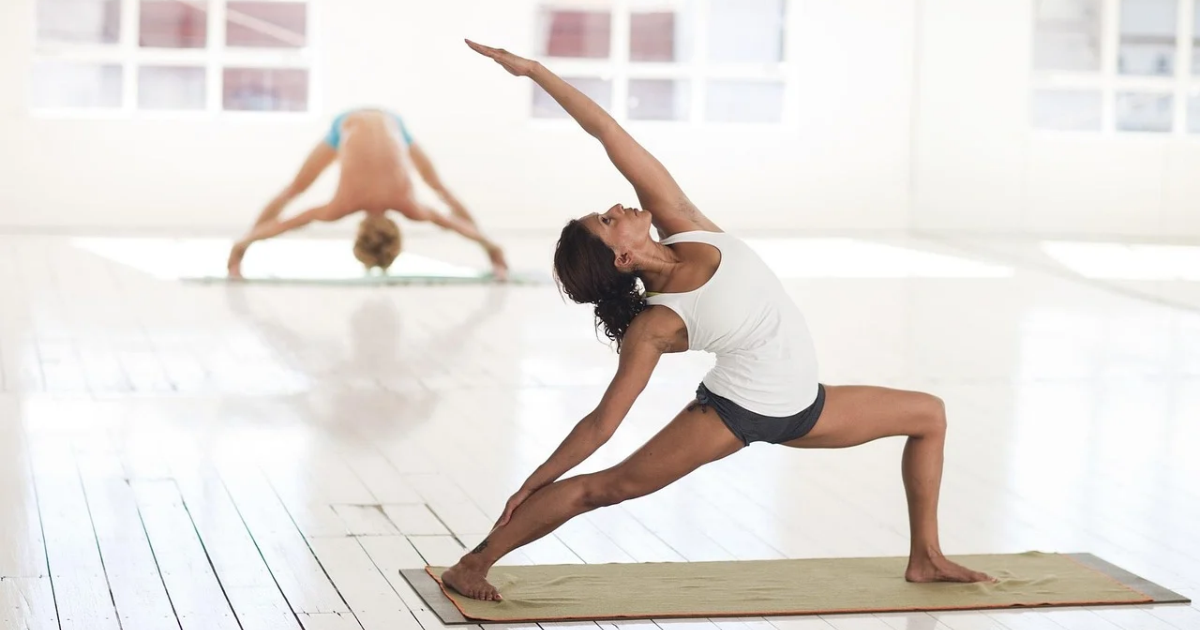
When people search for information about health, fitness, and wellness, they often want practical strategies that can fit into everyday life. Exercise does not have to mean spending hours in a gym or following an extreme workout program. Simple activities such as walking, cycling, swimming, strength training, stretching, and yoga can all contribute to better health and fitness.
Physical activity can support cardiovascular health, muscular strength, mobility, sleep quality, stress management, and overall quality of life. It can also help people develop confidence and create routines that are easier to maintain over time.
This guide explains why wellness and self-care are closely connected to physical activity, how exercise supports different areas of human fitness, and how you can create a realistic activity routine that works for your lifestyle.
Why Physical Activity Is a Cornerstone of Wellness and Self-Care
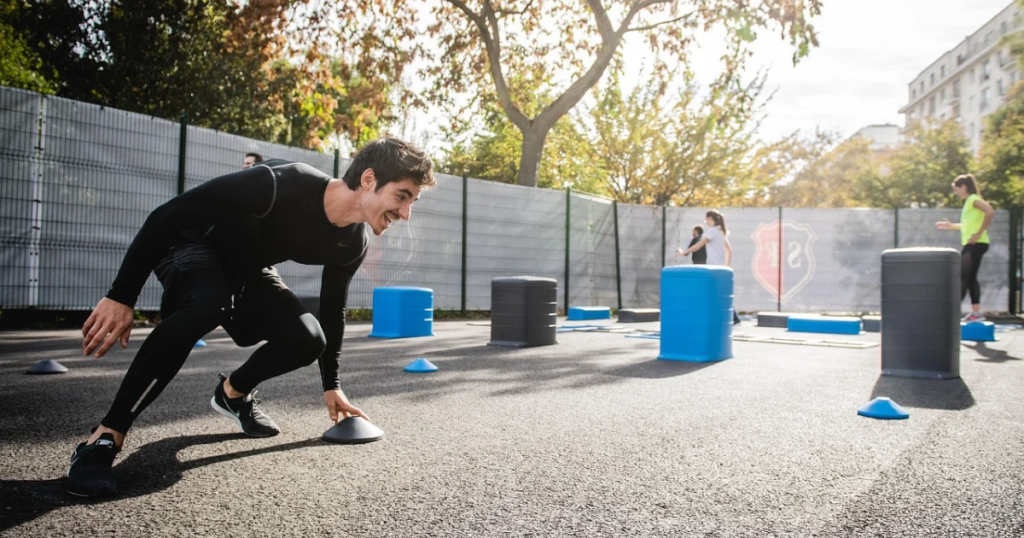
Self-care is sometimes associated only with relaxation and comfort. However, meaningful wellness and self-care includes actions that support your long-term physical, mental, and emotional well-being. Regular physical activity is an important part of that process.
1. Physical Activity Can Support Mood and Stress Management
Exercise can have positive effects on mood and emotional well-being. Physical activity may help reduce feelings of stress and can provide a healthy way to manage tension from work, school, family responsibilities, and everyday challenges.
Even a short walk can provide an opportunity to step away from screens and daily pressures. Activities such as walking outdoors, cycling, swimming, or practicing yoga can also provide time for reflection and relaxation.
For people who spend much of the day sitting, adding short periods of movement can be a simple way to become more active and support their wellness and self-care routine.
2. It Builds Long-Term Physical Fitness
Regular physical activity helps develop and maintain important aspects of physical fitness. Depending on the activity, exercise can improve cardiovascular endurance, muscular strength, flexibility, balance, and physical capacity.
Maintaining these abilities can become increasingly important as people age. A stronger and more mobile body can make everyday activities easier and support independence throughout life.
The goal of fitness does not have to be achieving a particular appearance. Instead, focus on building a body that is capable of performing everyday tasks comfortably and safely.
3. It Can Support Better Sleep
Good-quality sleep is an important part of overall wellness. Regular physical activity may help improve sleep quality and make it easier for some people to fall asleep.
However, exercise timing can matter for some individuals. If exercising close to bedtime makes you feel more alert, consider completing more vigorous workouts earlier in the day and using gentle stretching or relaxation activities in the evening.
Combining regular movement with a consistent sleep schedule can create a stronger foundation for healthy wellness and self-care habits.
4. It Can Improve Confidence and Self-Discipline
Building an exercise routine requires consistency. Completing small, realistic goals can create a sense of accomplishment and encourage people to continue.
For example, someone who begins with a 15-minute walk may eventually build up to longer walks or add strength-training exercises. These gradual improvements can increase confidence and make physical activity feel like a normal part of daily life.
The most important goal is not perfection. Consistency and gradual progress are more sustainable for many people.
Health, Fitness, and Wellness: What Is the Difference?
The words health, fitness, and wellness are closely connected, but they do not mean exactly the same thing.
- Health generally refers to the overall condition and functioning of the body and mind.
- Fitness refers to physical abilities such as cardiovascular endurance, muscular strength, flexibility, balance, and physical capacity.
- Wellness is a broader concept that includes physical, mental, emotional, and social aspects of well-being.
These areas influence one another. For example, regular physical activity can improve physical fitness while also supporting mood, sleep, confidence, and social connection.
This is why wellness and self-care should be viewed as a complete lifestyle rather than a single activity or fitness goal.
How to Build a Personal Physical Activity Routine

Table of Contents
Creating a sustainable exercise routine does not require expensive equipment or a gym membership. The key is to choose activities that match your interests, schedule, fitness level, and personal goals.
Step 1: Choose Activities You Enjoy
The best exercise routine is one you can maintain consistently.
If you dislike running, you do not have to make running the center of your routine. You could try:
- Walking
- Cycling
- Swimming
- Dancing
- Hiking
- Yoga
- Home workouts
- Recreational sports
Enjoying an activity can make it easier to stay motivated and turn exercise into a regular habit. Choosing enjoyable activities is also an important part of sustainable wellness and self-care.
Step 2: Create a Balanced Routine
A well-rounded fitness routine can include different types of movement.
Cardiovascular activity: Walking, jogging, cycling, swimming, and dancing can help improve cardiovascular endurance.
Strength training: Bodyweight exercises, resistance bands, and weight training can help develop muscular strength and support bone health.
Flexibility and mobility: Stretching and mobility exercises can help maintain range of motion and make movement more comfortable.
Adults are generally advised to get at least 150 minutes of moderate-intensity aerobic physical activity per week, along with muscle-strengthening activities on at least two days per week. People who are new to exercise can begin with smaller amounts and gradually increase their activity.
Step 3: Make Recovery Part of Your Routine
Rest and recovery are important parts of fitness. Your body needs time to recover after challenging physical activity.
Recovery can include:
- Getting enough sleep
- Taking easier activity days
- Staying hydrated
- Eating a balanced diet
- Using gentle stretching or mobility work
You do not need to exercise intensely every day to make progress. A sustainable wellness and self-care routine includes both activity and recovery.
Step 4: Measure Progress in Different Ways
Fitness progress is not always reflected by the number on a scale.
Instead, consider tracking changes such as:
- Increased energy
- Better endurance
- Improved strength
- Easier movement
- Better balance
- Improved exercise consistency
- Greater confidence
- Improved daily functioning
These measures can provide a more complete picture of your progress and help you stay motivated.
Step 5: Add a Social Element
Physical activity can also become an opportunity for social connection. Walking with a friend, joining a recreational sports group, attending a fitness class, or exercising with family members can make movement more enjoyable.
Having someone to exercise with may also provide motivation and accountability. Social connection can be another valuable part of wellness and self-care.
Overcoming Common Barriers to Physical Activity

Knowing that exercise is beneficial does not always make it easy to stay active. Work, school, family responsibilities, low motivation, and uncertainty about where to begin can all create barriers.
Lack of Time
You do not necessarily need a long workout session. Short periods of movement throughout the day can help you become more active.
For example, you could take a short walk during a break, use stairs when practical, or complete a brief home workout.
Low Energy
If you are inactive, starting with gentle movement may feel more manageable than immediately beginning an intense workout.
Walking, stretching, or light mobility exercises can be reasonable starting points for many people.
Not Knowing Where to Start
Beginners can start with simple activities and gradually increase duration or intensity. If you have specific health concerns, injuries, or limitations, consider speaking with a qualified healthcare or fitness professional for individualized guidance.
Fear of Injury
Start gradually and learn proper technique. Warming up before exercise and increasing activity slowly can help you develop a safer routine.
If an activity causes significant or persistent pain, stop and seek appropriate professional advice.
The Mental and Emotional Benefits of Physical Self-Care

Physical self-care is not only about improving strength or endurance. Movement can also support emotional well-being and become an important part of a balanced wellness and self-care approach.
Physical activity can serve as:
- A stress-management strategy: Exercise provides an opportunity to step away from daily pressures.
- A mindfulness activity: Walking, yoga, and other forms of movement can encourage people to focus on the present moment.
- A confidence builder: Becoming stronger or more capable can improve self-confidence.
- A source of connection: Group activities can provide opportunities to interact with other people.
- A healthy routine: Regular movement can create structure and consistency in everyday life.
These benefits demonstrate why physical activity can play an important role in a broader approach to health, fitness, wellness and self-care.
Frequently Asked Questions
1. How much physical activity do I need for basic wellness?
Adults are generally advised to get at least 150 minutes of moderate-intensity aerobic activity each week and perform muscle-strengthening activities on at least two days. Beginners can start with smaller amounts and gradually build their activity level.
2. Is physical activity considered self-care?
Yes. Self-care includes actions that support physical, mental, and emotional well-being. Regular physical activity is one practical way to take care of your body while also supporting overall wellness and self-care.
3. What is the best exercise for overall fitness?
There is no single exercise that is best for everyone. A balanced routine that includes cardiovascular activity, strength training, and flexibility or mobility exercises can support different aspects of physical fitness.
4. Can physical activity help with stress?
Regular physical activity can support stress management and improve mood. Walking, cycling, swimming, yoga, and other activities can provide a healthy way to manage everyday stress.
5. How can I stay consistent with exercise?
Start with realistic goals and choose activities you enjoy. Schedule exercise around your normal routine, track your progress, and consider exercising with a friend or group for additional motivation.
Conclusion
Physical activity is more than a way to reach a fitness goal. It can be an important part of wellness and self-care, supporting physical fitness while also contributing to emotional well-being, better sleep, confidence, and a healthier daily routine.
You do not need to completely change your lifestyle overnight. Start with small, manageable activities and gradually build your routine. A short walk, a few strength exercises, or a regular stretching session can be a useful beginning.
The goal is to create habits that you can maintain over the long term. When movement becomes a regular part of your lifestyle, it can provide a strong foundation for better health, fitness, wellness and self-care.
Meta Description :
Discover how wellness and self-care through physical activity can improve fitness, reduce stress, support better sleep, and build healthier habits.