Introduction
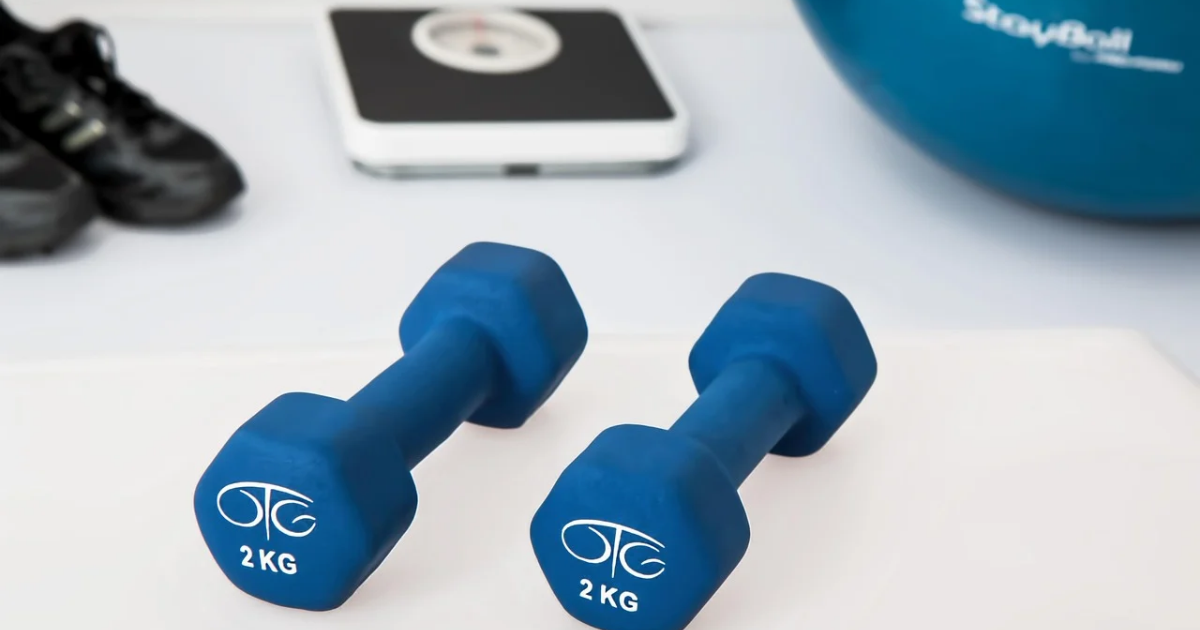
This guide covers practical health and fitness tips to help you build a stronger and healthier lifestyle. Health and fitness are important parts of living a longer, more active, and balanced life. Taking care of your body is not only about losing weight or building muscle. It also means eating nutritious foods, staying physically active, getting enough sleep, managing stress, and developing healthy habits that you can maintain over time.
A healthy lifestyle does not require extreme diets or hours in the gym every day. Small, consistent changes can make a meaningful difference in your physical and mental well-being. Whether you are just starting your fitness journey or looking to improve your current routine, understanding the basics of health and fitness can help you make better choices.
What Is Health and Fitness?
Health refers to the overall condition of your physical and mental well-being, while fitness describes your body’s ability to perform daily activities effectively and efficiently.
Good health and fitness work together. Regular exercise can support heart health, muscle strength, mobility, and mood. A balanced diet provides the nutrients your body needs for energy and normal functions. Quality sleep and stress management also play important roles in maintaining overall wellness.
The goal is not perfection. Instead, focus on creating sustainable habits that fit your lifestyle.
Why Health and Fitness Matter
Following simple health and fitness tips can make healthy habits easier to maintain. A consistent approach to health and fitness can support many areas of your life. Regular physical activity can improve strength and endurance, while nutritious eating helps provide essential vitamins, minerals, protein, carbohydrates, healthy fats, and fiber.
Healthy habits may also help you:
- Maintain a healthy body weight
- Improve cardiovascular fitness
- Build and maintain muscle strength
- Support bone health
- Improve energy levels
- Sleep better
- Manage everyday stress
- Support emotional well-being
- Stay independent and active as you age
The best results usually come from combining several healthy habits rather than relying on one solution.
1. Make Physical Activity Part of Your Routine

You do not need an expensive gym membership to become more active. Walking, cycling, swimming, dancing, recreational sports, and home workouts can all contribute to physical fitness.
For adults, health organizations generally recommend regular aerobic activity along with muscle-strengthening exercises. Start at a level that feels manageable and gradually increase your activity as your fitness improves. These simple health and fitness tips can make staying active easier and more enjoyable.
Simple Ways to Move More
Try adding movement throughout your normal day:
- Take a walk during your lunch break
- Use stairs when practical
- Go for an evening walk
- Stretch after sitting for long periods
- Try a beginner strength-training routine
- Participate in a recreational sport you enjoy
The most effective exercise is often the one you can enjoy and continue doing consistently.
2. Focus on a Balanced Diet
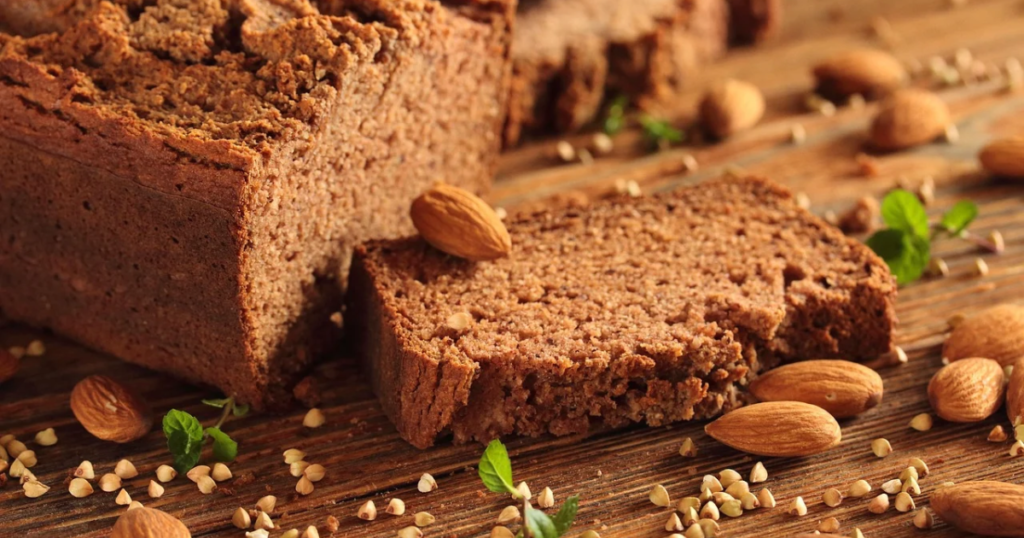
Nutrition is another major part of health and fitness. Your body needs a variety of nutrients to support energy, growth, repair, and normal body functions.
Instead of focusing on eliminating entire food groups, aim for variety and balance. Include vegetables, fruits, whole grains, lean proteins, healthy fats, and appropriate portions of dairy or alternatives according to your dietary needs.
Build a Balanced Plate
A simple way to improve your meals is to include different food groups on your plate.
For example, a meal might include:
- Vegetables such as broccoli, spinach, carrots, or peppers
- A protein source such as chicken, fish, beans, eggs, or tofu
- Whole grains such as brown rice or whole-grain bread
- A source of healthy fats such as nuts, seeds, or avocado
- Fruit as a snack or part of the meal
You do not have to completely avoid foods you enjoy. Moderation and overall dietary patterns matter more than trying to eat perfectly every day.
3. Stay Hydrated
Water is essential for many functions in the body. Your hydration needs can vary depending on factors such as activity level, weather, diet, and individual circumstances.
Make water your primary beverage and drink regularly throughout the day. During prolonged or intense physical activity, especially in hot conditions, fluid and electrolyte needs may increase.
A simple habit is to keep a reusable water bottle nearby so that drinking water becomes easier.
4. Get Enough Quality Sleep
Sleep is sometimes overlooked when people focus on fitness, but it is an important part of overall health. Adults generally need around 7–9 hours of sleep each night, although individual needs can vary.
Poor sleep can make it harder to concentrate, manage emotions, maintain energy, and follow healthy routines.
Improve Your Sleep Habits
Try these simple strategies:
- Keep a consistent bedtime and wake-up time
- Create a relaxing evening routine
- Keep your bedroom comfortable and quiet
- Limit caffeine later in the day
- Reduce screen use before bedtime
- Avoid very heavy meals close to bedtime
Good sleep can make it easier to stay active and make healthy food choices during the day.
5. Manage Stress in Healthy Ways
Stress is a normal part of life, but ongoing high stress can affect your overall well-being. Developing healthy ways to manage stress can support both mental and physical health.
Exercise, walking outdoors, hobbies, social connections, breathing exercises, mindfulness, and adequate sleep may all help you cope with everyday stress.
Create Time for Yourself
Even a few minutes of intentional relaxation can be useful. Consider reading, listening to music, spending time with friends or family, practicing a hobby, or taking a quiet walk.
If stress feels overwhelming or persistent, consider speaking with a qualified healthcare or mental health professional.
6. Build Strength and Flexibility

Strength training is useful for people of many ages and fitness levels. It can help improve muscle strength and support everyday activities.
You can start with bodyweight exercises such as:
- Squats
- Wall push-ups
- Lunges
- Glute bridges
- Modified planks
Flexibility and mobility exercises can also help you move comfortably. Begin gradually, use proper technique, and avoid exercises that cause significant pain.
7. Create a Realistic Weekly Fitness Plan
Table of Contents
These health and fitness tips can help you create a routine that fits your lifestyle. A realistic plan is easier to maintain than an overly ambitious one.
For example, a beginner might structure a week around walking, strength exercises, mobility work, and rest days.
Example Weekly Routine
Monday: 30-minute walk
Tuesday: Beginner strength workout
Wednesday: Light walking or mobility exercises
Thursday: 30-minute cardio activity
Friday: Strength workout
Saturday: Recreational activity or longer walk
Sunday: Rest and recovery
This is only an example. Your routine should reflect your current fitness level, schedule, preferences, and any advice from your healthcare professional.
8. Set Small and Measurable Goals
One of the biggest mistakes people make is setting unrealistic goals. Instead of trying to change everything immediately, choose one or two habits to work on first.
For example, you might set goals such as:
- Walk for 20–30 minutes three times a week
- Add vegetables to one additional meal each day
- Drink more water
- Establish a consistent bedtime
- Complete two strength workouts each week
Small improvements can build confidence and make healthy habits easier to maintain.
9. Track Your Progress
Tracking your progress can help you understand what is working. You can record workouts, walking time, sleep patterns, meals, or personal fitness goals.
However, progress is not always measured by the number on a scale. Improvements in strength, endurance, energy, sleep, mood, flexibility, and consistency are also valuable.
Focus on long-term progress rather than expecting immediate results.
10. Make Health and Fitness a Lifestyle
Following simple health and fitness tips consistently can help you build habits that support your long-term well-being. The most sustainable approach to health and fitness is to make healthy habits part of your everyday lifestyle.
You do not need to follow a perfect diet or exercise routine. Missing a workout or eating an occasional treat does not erase your progress. What matters is what you do consistently over time.
Try to build routines that you genuinely enjoy. If you dislike running, consider walking, swimming, cycling, dancing, or another activity. If complicated meal preparation is difficult, choose simple nutritious meals that fit your schedule.
Consistency Matters More Than Perfection
A sustainable lifestyle is usually easier to maintain than extreme short-term programs. Give yourself time to develop new habits and make adjustments when your schedule changes.
Frequently Asked Questions
1. What are the most important health and fitness tips?
The most important health and fitness tips include regular exercise, balanced nutrition, enough sleep, hydration, and stress management.
2. How often should I exercise?
The appropriate amount depends on your age, fitness level, health status, and goals. Adults are generally encouraged to get regular aerobic activity and muscle-strengthening exercise each week. If you are new to exercise, start gradually and build up over time.
3. Can I improve my fitness without going to a gym?
Yes. Walking, bodyweight exercises, cycling, dancing, swimming, and home workouts can all support physical fitness. You can choose activities that match your interests and available space.
4. What should I eat for better health?
Aim for a varied and balanced eating pattern that includes vegetables, fruits, whole grains, protein-rich foods, and healthy sources of fat. Your nutritional needs can vary, so consider speaking with a registered dietitian or healthcare professional for personalized advice.
5. How long does it take to see fitness results?
Results vary from person to person and depend on your starting point, consistency, exercise routine, nutrition, sleep, and other factors. Instead of focusing only on quick results, concentrate on building habits that you can maintain for months and years.
Conclusion
By following practical health and fitness tips consistently, you can work toward better overall wellness. Building better health and fitness does not require extreme changes. The most effective approach is to create realistic habits that you can maintain consistently.
Move your body regularly, eat a balanced diet, drink enough fluids, prioritize sleep, manage stress, and give yourself time to improve. Whether your goal is to become stronger, increase your energy, improve your fitness, or simply feel healthier, small daily choices can add up over time.
Remember that everyone’s health journey is different. If you have a medical condition, injury, or specific health concern, talk with a qualified healthcare professional before making major changes to your exercise or nutrition routine.
Meta Description :
Discover practical health and fitness tips for a stronger, healthier life. Learn how exercise, nutrition, sleep, and stress management support overall wellness.