Introduction :
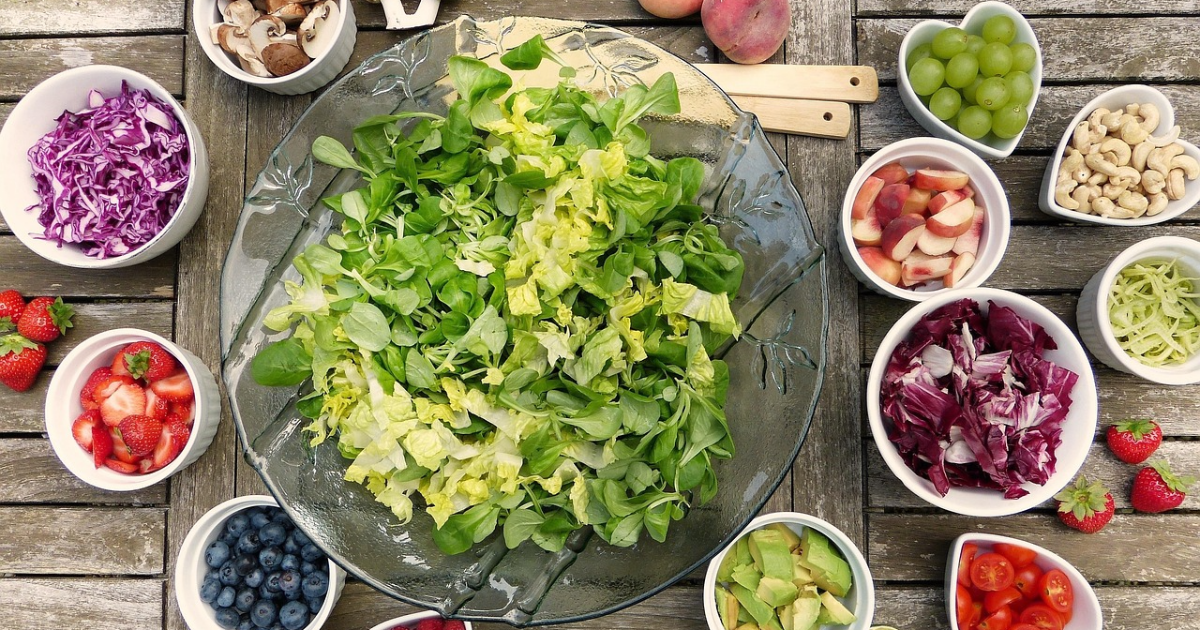
A whole food diet plan focuses on foods that are as close to their natural form as possible. Instead of relying heavily on highly processed meals, packaged snacks, and foods with long ingredient lists, this eating pattern emphasizes vegetables, fruits, whole grains, beans, lentils, nuts, seeds, and minimally processed sources of protein.
The good news is that following a whole food diet does not have to be complicated. You do not need expensive ingredients or complicated recipes. With a little planning, you can prepare simple, nutritious meals that fit into a busy lifestyle.
This 7-day whole food diet plan provides practical ideas for breakfast, lunch, dinner, and snacks. You can also adjust the meals based on your food preferences, budget, and dietary needs.
Note: This article provides general nutrition information and is not individualized medical advice. If you have a medical condition, food allergy, or specific dietary needs, consider speaking with a qualified healthcare professional.
What Is a Whole Food Diet?
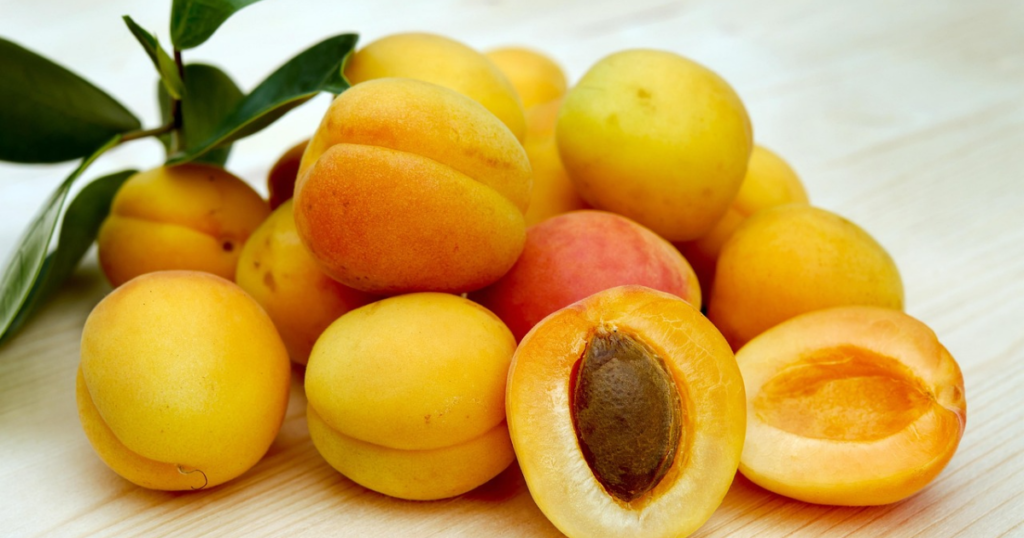
A whole food diet is an eating pattern centered around minimally processed foods. A whole food diet plan can help beginners organize balanced meals around minimally processed foods.
These foods generally retain much of their original nutritional value and are not heavily altered with added sugars, refined ingredients, or other additives.
Common foods included in a whole food diet include:
- Fresh or frozen vegetables
- Fresh or frozen fruits
- Whole grains
- Beans and lentils
- Nuts and seeds
- Eggs
- Fish and seafood
- Chicken and other minimally processed meats
- Plain yogurt
- Healthy fats such as olive oil and avocado
The goal is not to make every meal perfect. Instead, the idea is to make whole and minimally processed foods the foundation of your everyday meals.
Benefits of Eating More Whole Foods
Eating more whole foods can make it easier to build a balanced diet because these foods can provide important nutrients such as fiber, protein, vitamins, minerals, and healthy fats.
1. More Fiber
Vegetables, fruits, beans, and whole grains are excellent sources of dietary fiber. Fiber supports normal digestion and can contribute to feelings of fullness.
2. Nutrient-Dense Choices
Whole foods can provide a wide variety of vitamins and minerals. Eating different types and colors of vegetables and fruits is a simple way to add variety to your meals.
3. Better Overall Meal Quality
Replacing highly processed snacks with foods such as fruit, nuts, plain yogurt, or vegetables can improve the overall nutritional quality of your diet.
4. Easier Balanced Meals
Many whole foods contain combinations of nutrients such as protein, fiber, and water that can help make meals satisfying. Combining different food groups can also make it easier to create balanced meals.
Foods to Eat on a Whole Food Diet
A simple way to start is to organize your grocery list into different food groups. These foods can make a whole food diet plan easier to follow throughout the week.
Vegetables
Choose a variety of fresh or frozen vegetables, including:
- Spinach
- Broccoli
- Carrots
- Tomatoes
- Bell peppers
- Cucumbers
- Cauliflower
- Green beans
- Sweet potatoes
Fruits
Good options include:
- Apples
- Bananas
- Oranges
- Berries
- Grapes
- Pears
- Mangoes
- Melons
Fresh, frozen, and unsweetened dried fruits can all be useful choices.
Whole Grains
Instead of always choosing refined grains, try:
- Oats
- Brown rice
- Quinoa
- Barley
- Whole-grain bread
- Whole-grain pasta
Protein Foods
Include a variety of protein sources such as:
- Eggs
- Chicken
- Fish
- Lentils
- Chickpeas
- Beans
- Plain Greek yogurt
- Tofu
- Nuts and seeds
Foods to Limit
A whole food diet does not mean you can never eat processed food. However, you may want to limit foods that are highly processed or high in added sugar, sodium, or refined ingredients.
Examples include:
- Sugary soft drinks
- Candy
- Highly processed desserts
- Chips
- Sugary breakfast cereals
- Fast food
- Highly processed meat products
- Sweetened packaged snacks
The emphasis should be on what you eat most of the time rather than trying to achieve perfection.
7-Day Whole Food Diet Plan
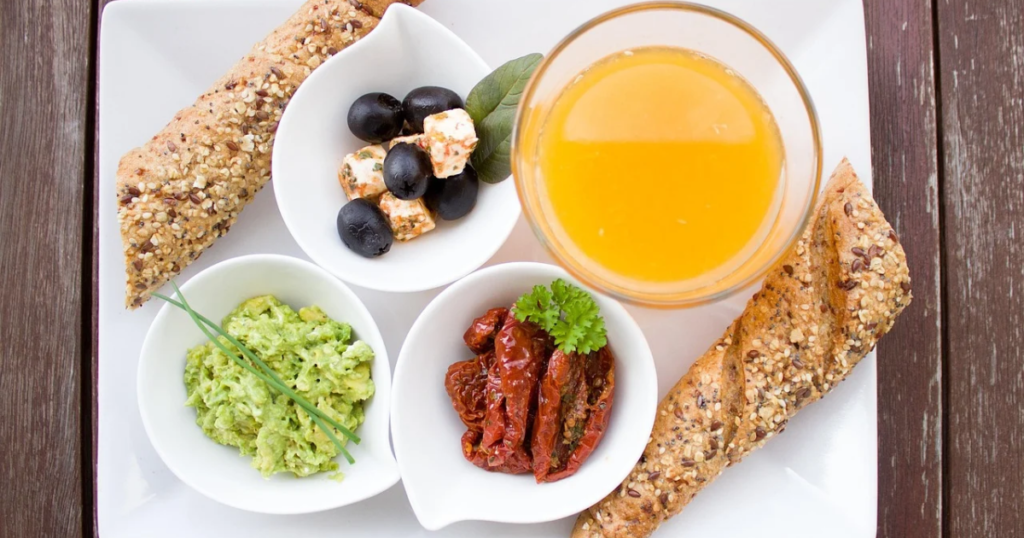
Table of Contents
This whole food diet plan provides simple meal ideas for each day of the week.
Here is a simple weekly meal plan you can use as a starting point. Portion sizes can be adjusted according to your individual needs, hunger levels, and dietary goals.
Day 1
Breakfast:
Oatmeal topped with banana, berries, and a small handful of walnuts.
Lunch:
Grilled chicken salad with spinach, cucumber, tomatoes, carrots, avocado, and an olive oil dressing.
Snack:
An apple with a small handful of almonds.
Dinner:
Baked salmon with roasted broccoli and brown rice.
Day 2
Breakfast:
Two eggs with whole-grain toast, tomatoes, and avocado.
Lunch:
Lentil and vegetable soup with a side salad.
Snack:
Plain Greek yogurt with berries.
Dinner:
Chicken with roasted vegetables and quinoa. Add herbs and spices for extra flavor.
Day 3
Breakfast:
Plain yogurt with oats, berries, banana, and chia seeds.
Lunch:
Chickpea salad with cucumber, tomatoes, spinach, avocado, and olive oil.
Snack:
A pear and a few walnuts.
Dinner:
Grilled fish with a baked sweet potato and steamed green vegetables.
Day 4
Breakfast:
Oatmeal with apple slices, cinnamon, and pumpkin seeds.
Lunch:
Brown rice bowl with black beans, lettuce, tomatoes, peppers, avocado, and a simple homemade dressing.
Snack:
Carrot and cucumber sticks with hummus.
Dinner:
Roasted chicken with sweet potato and mixed vegetables.
Day 5
Breakfast:
Vegetable omelet made with eggs, spinach, tomatoes, and bell peppers.
Lunch:
Tuna or chickpea salad with whole-grain bread and fresh vegetables.
Snack:
Banana with peanut or almond butter.
Dinner:
Lentils with brown rice and a side of roasted vegetables.
Day 6
Breakfast:
Overnight oats with plain yogurt, berries, chia seeds, and a small amount of nuts.
Lunch:
Grilled chicken and quinoa bowl with mixed vegetables and avocado.
Snack:
An orange and a handful of almonds.
Dinner:
Baked fish, roasted potatoes, and a large green salad.
Day 7
Breakfast:
Scrambled eggs with vegetables and whole-grain toast.
Lunch:
Homemade bean and vegetable bowl with brown rice, tomatoes, cucumber, lettuce, and avocado.
Snack:
Plain yogurt with fruit and seeds.
Dinner:
Grilled chicken or tofu with quinoa and steamed broccoli, carrots, and green beans.
Simple Whole Food Grocery List

Planning your grocery shopping in advance can make following a whole food diet much easier.
Vegetables
- Spinach
- Broccoli
- Carrots
- Tomatoes
- Cucumbers
- Bell peppers
- Sweet potatoes
- Green beans
- Lettuce
Fruits
- Apples
- Bananas
- Berries
- Oranges
- Pears
- Seasonal fruit
Protein Foods
- Eggs
- Chicken
- Fish
- Lentils
- Chickpeas
- Beans
- Plain yogurt
- Tofu
Whole Grains
- Oats
- Brown rice
- Quinoa
- Whole-grain bread
Healthy Fats
- Avocados
- Almonds
- Walnuts
- Chia seeds
- Pumpkin seeds
- Olive oil
- Natural nut butter
Having these basic ingredients available makes it easier to prepare nutritious meals instead of depending on convenience foods.
Tips for Following a Whole Food Diet
Start Slowly
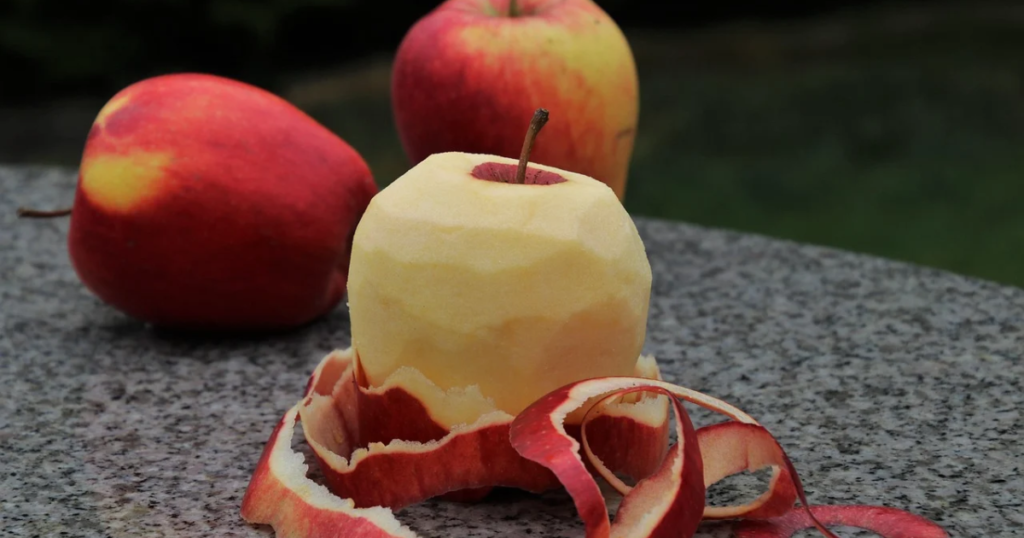
These practical tips can help you stay consistent with your whole food diet plan. You do not need to change your entire diet overnight. Start by replacing one highly processed food each day with a minimally processed alternative.
For example, replace a sugary snack with fruit and nuts.
Prepare Meals in Advance
Preparing a few basic foods ahead of time can save effort during the week. You can prepare brown rice, quinoa, roasted vegetables, chicken, or beans in batches and combine them into different meals.
Keep Healthy Snacks Available
When nutritious food is easy to access, you may be less likely to rely on highly processed snacks.
Keep foods such as fruit, nuts, plain yogurt, hummus, and chopped vegetables available.
Drink Enough Water
Water can be your main beverage. You can also enjoy unsweetened tea or other low-calorie beverages if you prefer them.
Focus on Variety
Do not eat the same foods every day. Try different vegetables, fruits, whole grains, legumes, and protein sources throughout the week.
Variety can make your diet more enjoyable and help you obtain a broader range of nutrients.
Is a Whole Food Diet Good for Weight Loss?
A whole food diet can support a healthy weight because many minimally processed foods provide fiber, protein, and other nutrients that can help make meals satisfying.
However, weight change depends on many factors, including total energy intake, physical activity, sleep, medications, and individual health circumstances.
You do not need to completely eliminate carbohydrates or fats to follow a whole food diet. Instead, focus on balanced meals that include vegetables or fruit, a protein source, a high-fiber carbohydrate, and a reasonable amount of healthy fat.
Frequently Asked Questions
1. Can Beginners Follow a Whole Food Diet?
Yes. Beginners can start with simple meals rather than complicated recipes. Oatmeal with fruit, eggs with vegetables, chicken with rice and vegetables, and lentil bowls are easy starting points.
2. Can I Eat Bread on a Whole Food Diet?
Yes. Whole-grain bread can fit into a whole food-focused eating pattern. Check the ingredient list and choose options that list whole grains as a primary ingredient.
3. Can I Eat Rice on a Whole Food Diet?
Yes. Brown rice and other whole grains are good options, but white rice can also be included depending on your individual dietary needs and overall eating pattern.
4. Can I Have Snacks on a Whole Food Diet?
Yes. Good options include fruit, nuts, seeds, plain yogurt, vegetables with hummus, or fruit with natural nut butter.
5. Do I Need to Avoid All Processed Foods?
No. The goal is not necessarily to eliminate every processed food. Foods such as plain yogurt, frozen vegetables, canned beans, and canned fish can be processed while still providing useful nutrients and convenience.
Final Thoughts
A whole food diet plan does not need to be restrictive or difficult. A simple approach is to build most meals around vegetables, fruits, whole grains, legumes, nuts, seeds, and minimally processed protein sources.
This 7-day plan gives you a practical starting point, but you can easily swap foods according to your preferences, budget, and availability.
The most important thing is consistency. Rather than trying to eat perfectly, focus on making nutritious whole-food choices most of the time. Over time, small changes can become sustainable eating habits.
Conclusion
A whole food diet plan can be a simple and practical way to build healthier eating habits without following a restrictive diet. By focusing on vegetables, fruits, whole grains, beans, lentils, nuts, seeds, and minimally processed protein sources, you can create balanced and satisfying meals.
This 7-day meal plan provides an easy starting point for beginners, but you can adjust the meals according to your preferences, budget, and dietary needs. You do not have to change everything at once. Start with small, consistent improvements and focus on choosing nutritious foods most of the time.
Remember, healthy eating is about balance and consistency rather than perfection. With simple meal planning and a variety of whole foods, you can develop sustainable eating habits that support your overall health and well-being.
Meta Description :
Try this simple whole food diet plan with a 7-day meal plan, grocery list, healthy food choices, and practical tips for beginners.