
Introduction
School nutrition and fitness are important parts of creating a healthy learning environment for children and teenagers. Students spend a large part of their day at school, which means schools have an important opportunity to teach healthy eating, encourage physical activity, and help children develop habits that can continue into adulthood.
A strong school wellness approach is not limited to serving healthier meals or providing physical education classes. It can include nutrition education, healthy school meals, physical activity, fitness programs, health education, school gardens, family involvement, and supportive school policies.
Research and public-health guidance have consistently emphasized the connection between nutrition, physical activity, and student well-being. The CDC recommends that nutrition education be part of comprehensive school health education and that schools provide supportive environments for healthy eating and physical activity.
This guide explains what school nutrition and fitness means, why school nutrition and fitness matter, the benefits of nutrition education, and practical ways schools can help students become healthier and more active.
What Is School Nutrition and Fitness?
Table of Contents
School nutrition and fitness refers to the combination of healthy eating, nutrition education, physical activity, physical education, and wellness practices provided or encouraged in a school environment.
The goal is to help students understand how food and movement affect their bodies, energy, concentration, growth, and overall health.
A complete school nutrition and fitness program may include:
- Healthy school meals
- Nutritious snacks
- Nutrition education
- Physical education classes
- Sports and fitness activities
- Active recess
- School wellness programs
- Drinking-water access
- School gardens
- Healthy-eating campaigns
- Family nutrition education
- Student health and fitness assessments
These areas work best when they are connected instead of being treated as completely separate subjects.
For example, students can learn about fruits and vegetables during a nutrition lesson, grow vegetables in a school garden, and then participate in physical activity later in the day. This creates a practical connection between what students learn and how they live.
Why Is School Nutrition and Fitness Important?
Schools are in a unique position to influence children’s daily habits. Students may eat meals and snacks at school, participate in physical education, spend time during recess, and learn about health in the classroom.
The CDC notes that schools can support healthy eating and physical activity through policies, nutrition services, physical education, health education, and family and community involvement.
A healthy school environment can help students develop knowledge and skills that they can use outside the classroom.
Good nutrition provides the nutrients children need for growth and normal development, while physical activity helps support fitness and healthy development. Healthy students may also be better prepared to participate in classroom activities.
A state health department resource similarly highlights connections between healthy eating and areas such as concentration, memory, energy, classroom participation, growth, and long-term wellness.
7 Powerful Ways to Improve School Nutrition and Fitness
1. Provide Nutritious School Meals
One of the most direct ways to improve school nutrition is to provide balanced and appealing meals.
School meal programs can offer students opportunities to eat foods such as:
- Fruits
- Vegetables
- Whole grains
- Protein-rich foods
- Milk or suitable alternatives
- Healthy snacks
- Water
The goal should not simply be to remove foods that students enjoy. Instead, schools can make healthier options convenient, attractive, affordable, and easy to choose.
Schools should also consider students with different dietary requirements and make reasonable efforts to provide suitable options.
A healthy cafeteria can become an extension of the classroom by helping students understand portion balance, food variety, hydration, and the importance of different nutrients.
2. Include Nutrition Education in the Curriculum
Nutrition education is one of the most important parts of school nutrition and fitness.
Students should learn more than simply memorizing the names of vitamins or food groups. Effective nutrition education can teach children how to make practical food decisions.
Topics can include:
- Food groups
- Balanced meals
- Healthy snacks
- Hydration
- Fruits and vegetables
- Whole grains
- Added sugars
- Food labels
- Portion awareness
- Breakfast
- Basic food preparation
- Healthy eating habits
The CDC recommends including nutrition education as part of comprehensive health education.
Nutrition lessons can also become more engaging when teachers use practical activities rather than relying entirely on lectures.
For example, students can compare food labels, create a balanced lunch plate, grow vegetables, or prepare a simple healthy snack under appropriate supervision.
3. Encourage Daily Physical Activity
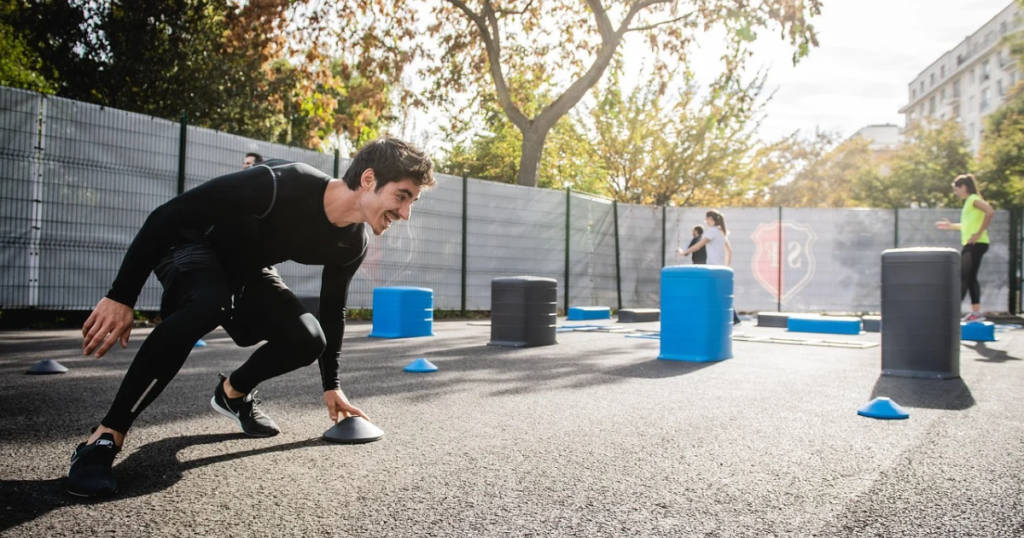
Fitness should not be limited to one physical education class each week.
Schools can provide opportunities for students to move throughout the school day through:
- Physical education
- Recess
- Walking activities
- Sports clubs
- Dance
- Fitness games
- Classroom movement breaks
- Active school events
- After-school activities
Physical activity can be especially useful when it is enjoyable and suitable for the student’s age and ability.
Schools can also reduce unnecessary periods of inactivity by providing safe opportunities for movement.
A comprehensive approach to school health combines physical education with opportunities for physical activity throughout the school environment.
4. Make Healthy Choices Easy for Students
Education works better when the environment supports what students are being taught.
If students learn about healthy eating in class but have very limited healthy choices at school, the message can become inconsistent.
Schools can make healthy choices easier by:
- Providing drinking water
- Offering nutritious meals
- Making fruits and vegetables accessible
- Promoting healthier snacks
- Creating attractive cafeteria displays
- Limiting unhealthy marketing
- Providing adequate meal time
- Encouraging active recreation
CDC school-health strategies specifically include access to healthy foods and beverages, water, nutrition education, and consistent healthy-eating messages.
The objective is to create an environment where the healthy choice is practical rather than difficult.
Benefits of Nutrition Education in Schools
5. Helps Children Develop Healthy Habits
One major benefit of nutrition education in schools is that students can learn healthy behaviors while they are still developing their everyday habits.
Children can learn why eating a variety of foods matters and how different food choices affect their bodies.
Nutrition education can also help students become more confident when making food decisions.
The goal is not to create fear around food. Instead, students should learn that healthy eating can include variety, balance, enjoyment, and moderation.
6. Connects Nutrition With Physical Fitness
Nutrition and fitness should not be treated as unrelated subjects.
Students need energy and nutrients to support normal growth and physical activity. At the same time, physical activity is an important part of an overall healthy lifestyle.
This is why a strong school nutrition and fitness program combines:
Healthy food + nutrition knowledge + physical activity + supportive environment
Research and policy literature on school health has supported combining nutrition education, school food environments, and physical activity rather than treating each area separately.
For example, a school could teach students about hydration in health class, provide accessible drinking water, and encourage students to drink water during physical activity.
7. Involve Parents and the Community
Schools cannot create healthy habits alone.
Parents and families influence what children eat, how active they are, and which habits they develop outside school.
Schools can involve families through:
- Nutrition newsletters
- Healthy recipe ideas
- Family fitness events
- School wellness workshops
- Healthy-eating challenges
- School garden activities
- Information about school meal programs
- Community sports opportunities
CDC guidance also emphasizes family and community involvement as part of a comprehensive approach to healthy eating and physical activity.
When students receive consistent messages at school and at home, healthy habits can become easier to maintain.
School Nutrition and Fitness for Elementary Students
Nutrition education is particularly useful during elementary school because children are developing basic attitudes and behaviors around food and physical activity.
Elementary nutrition education can use simple, age-appropriate activities.
For younger students, teachers can introduce:
- Different food groups
- Fruits and vegetables
- Healthy snacks
- Water
- Breakfast
- Active play
- Basic hygiene
- Food safety
Interactive learning can make these lessons more memorable.
For example, students can create a colorful healthy-food chart, identify different fruits and vegetables, or participate in a school garden project.
The emphasis should be on positive learning rather than labeling individual foods as simply “good” or “bad.”
Nutrition Education Materials for Schools

Schools can use a variety of nutrition education materials to make lessons more effective.
Useful materials may include:
- Posters
- Worksheets
- Food-group charts
- Healthy meal examples
- Food-label activities
- Classroom games
- School garden activities
- Recipe cards
- Educational videos
- Student projects
- Nutrition quizzes
Materials should be appropriate for the students’ age and educational level.
Teachers can also connect nutrition lessons with science, mathematics, physical education, and other subjects.
For example, a mathematics lesson might involve comparing serving sizes, while a science lesson could explain how nutrients support the human body.
How Schools Can Create a Complete Wellness Program
A successful school wellness program should involve more than one department.
School administrators, teachers, nutrition staff, physical education professionals, parents, and students can work together.
A basic framework can include:
Nutrition
Provide nutritious meals and teach students about healthy food choices.
Fitness
Offer regular physical education and additional opportunities for physical activity.
Health Education
Teach students practical information about nutrition, fitness, sleep, hydration, and healthy habits.
Environment
Make healthy choices accessible throughout the school.
Family Engagement
Give families useful information and opportunities to participate.
Evaluation
Review the program regularly to determine what is working and where improvements are needed.
This coordinated approach is consistent with comprehensive school-health models that integrate nutrition services, physical education, health education, family engagement, and the physical environment.
School Nutrition and Fitness Activities
Schools do not need expensive equipment to encourage healthy habits.
Some simple activities include:
- Healthy plate activity — Students design a balanced meal.
- Fruit and vegetable challenge — Students learn about different produce.
- Water break reminders — Encourage regular hydration.
- Walking activities — Create safe opportunities for students to walk.
- Movement breaks — Add short activity sessions during long classroom periods.
- School garden — Students grow and learn about food.
- Healthy cooking demonstration — Teach basic food-preparation skills.
- Fitness games — Make physical activity enjoyable.
- Nutrition quiz — Review key concepts in an interactive way.
- Family wellness day — Bring students and families together around health.
These activities can make schoolnutritionandfitness more practical and engaging.
Common Challenges in School Nutrition and Fitness
Although school wellness programs have many benefits, schools may face challenges.
Common issues include:
- Limited budgets
- Lack of staff
- Limited facilities
- Student food preferences
- Time restrictions
- Limited access to healthy foods
- Inconsistent family participation
- Lack of teacher training
- Different student abilities
Schools can address these challenges by starting with realistic changes.
For example, a school does not necessarily need to launch a large fitness program immediately. It can begin by adding short movement breaks, improving water access, introducing nutrition activities, or making healthier cafeteria choices more visible.
Small improvements can create a foundation for a larger wellness program.
How Teachers Can Support School Nutrition and Fitness
Teachers can reinforce healthy habits without turning every lesson into a nutrition class.
Simple strategies include:
- Encourage water consumption.
- Discuss healthy snacks when appropriate.
- Include movement breaks.
- Connect science lessons with nutrition.
- Encourage outdoor activity.
- Avoid using food as a reward or punishment.
- Promote positive attitudes toward food and physical activity.
Teachers can also model healthy behaviors themselves.
When school staff consistently communicate positive health messages, students may be more likely to see nutrition and fitness as normal parts of everyday life.
Why Is Nutrition Education Important?

Nutrition education is important because children need practical knowledge to understand food choices and healthy eating habits.
A strong nutrition education program can teach students how to:
- Identify different food groups
- Understand basic nutrition
- Make informed food choices
- Read food labels
- Recognize the importance of hydration
- Understand balanced meals
- Develop healthy eating habits
The CDC’s school-health guidelines recommend that nutrition education help students develop practical skills related to healthy eating, including choosing a variety of foods, drinking water, eating breakfast, and limiting foods and beverages high in added sugars.
Nutrition education is therefore not simply about giving students information. It should help them develop skills that they can apply in real life.
School Nutrition and Fitness: A Practical Example
Imagine a school that wants to improve student wellness.
Instead of creating a complicated program, the school could start with five steps:
Step 1: Improve the nutritional quality and variety of available meals.
Step 2: Add age-appropriate nutrition education.
Step 3: Provide more opportunities for physical activity.
Step 4: Make water easily available.
Step 5: Involve parents through simple wellness resources.
The school could then review participation, student feedback, and other appropriate measures to determine which parts of the program need improvement.
This type of coordinated approach is more sustainable than focusing on a single area.
Frequently Asked Questions About School Nutrition and Fitness
1. What does school nutrition and fitness mean?
School nutrition and fitness means providing students with opportunities to learn about healthy eating while also participating in physical activity and fitness programs. It can include school meals, nutrition education, physical education, active recreation, hydration, and broader wellness initiatives.
2. Why is nutrition education important in schools?
Nutrition education helps students understand food, nutrients, balanced meals, hydration, and healthy eating behaviors. It can give children practical knowledge that they can use when making everyday food choices.
3. What are the benefits of school nutrition programs?
School nutrition programs can support access to nutritious foods and help schools create an environment that encourages healthy eating. When combined with education and physical activity, nutrition programs can become part of a broader school wellness strategy.
4. How can schools improve student fitness?
Schools can improve student fitness by providing quality physical education, active recess, sports, movement breaks, walking activities, fitness games, and other age-appropriate opportunities for physical activity.
5. How can parents support school nutrition and fitness?
Parents can support school wellness by encouraging balanced meals, healthy snacks, hydration, regular physical activity, and positive attitudes toward food. They can also participate in school wellness activities and communicate with teachers and school staff.
Conclusion
Schoolnutritionandfitness represents a broader approach to student health that combines nutrition, physical activity, education, and a supportive school environment.
Schools have an important opportunity to help children learn healthy habits because students spend a significant part of their day in educational settings. A strong program can include nutritious meals, nutrition education, physical education, active recreation, water access, family involvement, and practical wellness activities.
The most effective approach is not necessarily the most expensive one. Schools can begin with realistic improvements such as better nutrition education, more opportunities for movement, healthier food choices, and stronger communication with families.
By connecting school nutrition and fitness, schools can help students develop knowledge and skills that support healthier choices both inside and outside the classroom. A coordinated approach also allows nutrition, physical activity, teachers, families, and the school environment to work toward the same goal: helping students build healthy habits that can last well beyond their school years.
Meta Description :
Discover school nutrition and fitness strategies that help students build healthy habits. Learn about nutrition education, healthy meals, fitness activities, and school wellness.