
Introduction
Understanding how to interpret food meaning can help us see food as more than just a source of nutrition. Food is one of the most important parts of human life. We need food to provide energy, support growth, maintain normal body functions, and supply essential nutrients. However, food means much more than simply something we eat when we feel hungry. Food can also represent culture, family, memories, traditions, emotions, health, and social connections.
When people search for the phrase “interpret food meaning,” they may be trying to understand what food represents in different situations. The meaning of food can change depending on a person’s culture, experiences, health needs, and relationship with eating. A simple meal may have nutritional value for one person, while the same meal may represent family memories or cultural traditions for another.
The connection between food and meaning is also important when discussing nutrition and health. The phrase “nutrition is medicine” is increasingly used to describe how healthy nutrition can support overall health and play a role in preventing or managing certain health conditions. However, food and medicine are not exactly the same, and nutritious food should not automatically be considered a replacement for professional medical treatment.
In this article, we will explain the meaning of food, how to interpret food meaning, what meaningful food means, how food connects with health and nutrition, and the meanings of common phrases such as “how was the food?” and “my food.”
What Does Food Mean?

Table of Contents
Food is any substance that people or animals consume to obtain energy and nutrients. These nutrients can include carbohydrates, proteins, fats, vitamins, minerals, and water. Different foods contain different combinations of nutrients, which is why eating a variety of foods is important for a balanced diet. To interpret food meaning, it is important to consider both the nutritional purpose of food and its role in everyday life.
In simple terms, food helps the body function properly. It provides energy for daily activities and nutrients that support normal body processes.
However, the definition of food can go beyond nutrition. Food is also an important part of human culture and society. People often use food to celebrate special occasions, welcome guests, maintain traditions, and spend time with family and friends.
For example, a traditional family recipe may be considered food from a nutritional perspective, but it can also carry memories and cultural significance. This broader perspective helps explain why understanding food meaning can be more complicated than simply defining what food is.
What Does “Interpret Food Meaning” Mean?
The phrase “interpret food meaning” means trying to understand what food represents or communicates in a particular context.
Food can have several different meanings at the same time. It can be:
- A source of energy
- A source of essential nutrients
- Part of a healthy lifestyle
- A cultural tradition
- A symbol of family
- A source of comfort
- A way of showing care
- Part of a celebration
- A connection to memories
- An expression of personal choices
For example, imagine someone eating a homemade soup. From a nutritional perspective, the soup provides nutrients and energy. From an emotional perspective, it may remind the person of childhood. From a cultural perspective, it may represent a traditional recipe passed down through generations.
Therefore, when you interpret food meaning, you consider more than its ingredients. You also consider the circumstances, people, emotions, culture, and experiences associated with it.
Food and Meaning: Why Food Is More Than Nutrition

When we interpret food meaning, we can see how meals connect with culture, family, emotions, and social experiences. The relationship between food and meaning is an important part of everyday life. People do not eat only because their bodies require nutrients. Eating is also connected with social relationships, culture, emotions, celebrations, and personal experiences.
A family dinner can represent togetherness. A birthday cake can represent celebration. A traditional dish can represent cultural identity. A meal prepared by a loved one can represent care and affection.
This is why the concept of meaningful food is important. Food can have significance even when it is a very simple meal.
For example, a bowl of rice and vegetables may not look special to someone unfamiliar with its background. But if it is a recipe that a family has prepared for generations, it may have considerable emotional and cultural value.
Understanding food and meaning allows us to recognize that eating is both a biological and human experience.
The Importance of Food in Daily Life
Food plays several important roles in our lives. Its nutritional role is essential, but its social and cultural roles are also significant.
Food Provides Energy
One of the primary functions of food is to provide energy. The body uses energy for basic functions such as breathing, circulation, movement, and maintaining body temperature.
The amount of energy a person needs can vary depending on factors such as age, body size, physical activity, and individual circumstances.
Food Provides Nutrients
Food provides nutrients that the body needs to function normally. Protein contributes to the maintenance of body tissues, carbohydrates can provide energy, and fats have several important functions in the body.
Vitamins and minerals also play important roles in normal body processes.
Food Supports Growth and Development
Nutrition is particularly important during periods of growth and development. Children and teenagers need adequate nutrients to support their developing bodies.
A varied and balanced diet can help provide the nutrients required during different stages of life.
Food Connects People
Food often brings people together. Families may gather around a dinner table, friends may meet for a meal, and communities may celebrate events through traditional foods.
This social role is one reason food has such a strong connection with human relationships.
What Does “How Was the Food?” Mean?
The phrase “how was the food meaning” is usually related to asking someone about their experience with a meal.
When someone asks, “How was the food?” they are normally asking whether you enjoyed it or what you thought about its quality.
You might respond by discussing:
- Taste
- Flavor
- Freshness
- Texture
- Appearance
- Temperature
- Portion size
- Overall quality
For example, if someone visits a restaurant and another person asks, “How was the food?” they might answer, “The food was excellent, and I especially enjoyed the grilled chicken.”
The phrase is therefore usually a request for an opinion about a meal rather than a question about the scientific definition of food.
What Does “For Food” Mean?
The phrase “for food meaning” depends on the sentence in which it appears.
“For food” generally indicates that something is related to eating, nourishment, or obtaining food.
For example:
- We went to the store for food.
- The animal searches for food.
- The land is used for food production.
- This container is designed for food.
In each example, “for food” connects an action, object, or activity with food or eating.
Because the exact meaning depends on context, it is important to look at the complete sentence rather than interpreting the phrase by itself.
What Does “Mean Food” Mean?
People searching for “mean food meaning” may be asking about the word “mean” in relation to food.
The word “mean” can have different meanings depending on how it is used.
For example, “What does this food mean?” asks about the significance or representation of a food.
However, “mean food” can also be used informally to describe food that has a particular quality depending on the context. Therefore, the surrounding sentence is important when determining the intended meaning.
If someone wants to understand a food-related phrase, they should consider how the phrase is being used rather than assuming that every combination of words has one fixed definition.
What Is Meaningful Food?
Learning to interpret food meaning also helps explain why ordinary meals can become meaningful food. Meaningful food is food that has a special personal, cultural, emotional, or social significance.
It does not necessarily have to be expensive, unusual, or complicated.
A meaningful food could be:
- A grandmother’s recipe
- A traditional holiday meal
- A dish prepared for a wedding
- A favorite childhood dessert
- A meal shared with close friends
- A food connected to someone’s culture
- A meal prepared during an important life event
The meaning comes from the experience associated with the food.
For one person, homemade bread might represent family. For another person, a traditional dish may represent cultural identity. Someone else may associate a particular meal with an important memory.
This shows why meaningful food is personal and can vary greatly from one person to another.
My Food Meaning: What Does “My Food” Mean?
The phrase “my food meaning” usually refers to the meaning of the expression “my food.”
In ordinary conversation, “my food” can simply mean food that belongs to or has been chosen by a particular person.
For example:
“My food is on the table.”
In this sentence, the speaker is identifying food that belongs to them or was prepared for them.
“My food” can also refer to food that someone personally enjoys or prefers. In a broader context, it may describe foods that are connected with a person’s memories, culture, lifestyle, or personal identity.
This is another example of how the meaning of food can depend on context.
Nutrition Is Medicine: What Does It Mean?
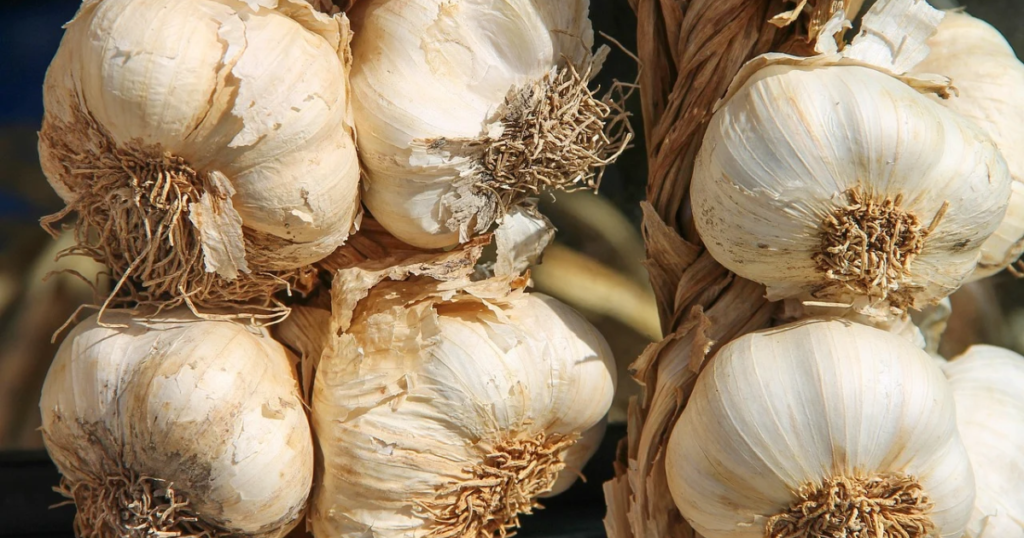
When we interpret food meaning from a health perspective, nutrition becomes an important part of understanding overall well-being. “Nutrition is medicine” is a phrase used to emphasize the important relationship between diet and health.
Nutrition can influence overall health because the body needs nutrients to perform normal functions. A healthy dietary pattern can help people obtain important nutrients and may support the prevention or management of some health conditions.
The broader “Food Is Medicine” concept involves nutrition-based interventions that are incorporated into healthcare. These approaches can include medically tailored meals, nutrition counseling, and other food-based programs designed around health needs.
However, it is important to understand that saying “nutrition is medicine” does not mean that food should replace prescribed medication or professional medical care.
Instead, nutrition can be an important part of a broader approach to health.
Can Food Really Be Considered Medicine?
Food and medicine have different roles, although they can both be connected with health.
A medication is generally developed for a specific medical purpose and may be prescribed by a healthcare professional. Food, on the other hand, is primarily consumed for nourishment and can contribute to overall health.
Some foods and dietary patterns may support health by providing nutrients and helping people maintain a balanced diet. Nutrition interventions may also be used in healthcare settings for people with particular nutritional or medical needs.
For this reason, it is more accurate to say that nutrition can support health rather than claiming that every food can cure disease.
A healthy diet is valuable, but people with medical conditions should follow appropriate professional medical advice.
Why Is Nutrition Important for Health?
Nutrition is important because the body requires nutrients for many normal functions.
A balanced eating pattern can help provide:
- Protein
- Carbohydrates
- Healthy fats
- Vitamins
- Minerals
- Fiber
- Water
The body’s nutritional requirements vary from person to person. Age, activity level, lifestyle, and individual health circumstances can all influence nutritional needs.
Rather than focusing on one particular food, it is generally more useful to consider overall dietary patterns.
For example, eating a variety of vegetables, fruits, whole grains, protein sources, and other nutritious foods can help create a more balanced diet.
Food and Cultural Meaning
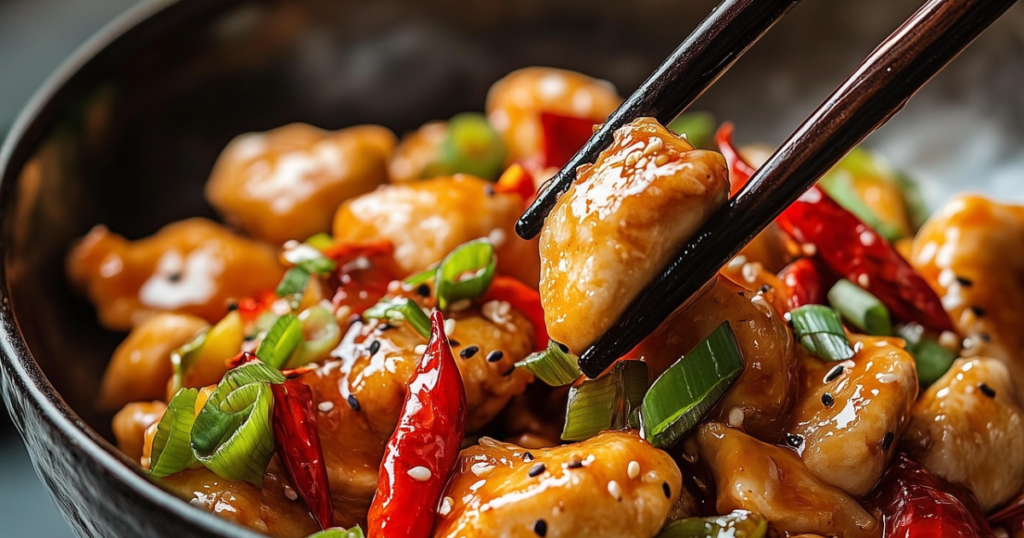
To interpret food meaning culturally, we need to consider the traditions and history connected with different foods. Food has a powerful connection with culture.
Traditional foods often reflect a community’s history, environment, ingredients, customs, and traditions. Recipes may be passed from parents to children and preserved over many generations.
Food can therefore represent:
- Heritage
- Family history
- Community
- Tradition
- Celebration
- Identity
A particular dish may immediately remind someone of their home or family.
Cultural foods can also help people maintain a connection with their heritage when they live away from their original community.
This is one reason the meaning of food can be much deeper than its nutritional content.
Food and Emotional Meaning
People may also interpret food meaning through their own memories, emotions, and personal experiences. Food can also have an emotional meaning.
People may associate particular foods with important memories or experiences. A certain smell can remind someone of childhood, while a traditional meal may remind them of family gatherings.
Food can be connected with:
- Happiness
- Comfort
- Celebration
- Nostalgia
- Family
- Friendship
- Memories
However, emotional connections with food are different for everyone. One person’s comfort food may be another person’s unfamiliar dish.
Understanding this difference can help us appreciate the personal nature of food and meaning.
The Meaning of Food in Social Life
Food plays an important role in social interaction.
People often share meals when they want to spend time together. Restaurants, family dinners, parties, weddings, festivals, and other social events commonly involve food.
Sharing food can communicate hospitality and friendship.
For example, preparing a meal for a guest can be a way of making them feel welcome. Similarly, bringing food to a celebration can be a way of participating in a social event.
Therefore, food can communicate messages without words.
The Meaning of Food in Education
Food education is not only about teaching people which foods contain particular nutrients. It can also help people understand where food comes from, how food choices affect health, and why different cultures have different eating traditions.
Children can learn about:
- Food groups
- Healthy eating
- Cooking
- Food safety
- Cultural foods
- Nutrition
- Sustainable food choices
Teaching food in a broader way can help people develop a better understanding of their relationship with eating.
The Meaning of Food in PBS and Educational Content
People searching for “the meaning of food PBS” may be interested in educational discussions about food and its role in human life.
Educational food content often explores topics beyond recipes. It may examine nutrition, agriculture, culture, food production, history, health, and society.
This broader approach supports the idea that food is not simply something placed on a plate. It is connected with many aspects of human life.
When interpreting food meaning, it can therefore be useful to consider both the individual food itself and the larger social or cultural environment surrounding it.
What Is the TOID Medical Term?
The keyword “TOID medical term” appears to be separate from the main topic of food meaning.
Medical abbreviations can have different meanings depending on the healthcare context in which they are used. Therefore, it is not appropriate to assign one specific medical definition to “TOID” without knowing the source or context.
If you encounter TOID in a medical document, healthcare website, report, or clinical setting, the exact surrounding information should be checked before interpreting the abbreviation.
This is particularly important with medical terminology because similar abbreviations can sometimes have different meanings in different fields.
How to Better Understand the Meaning of Food
These questions can help you interpret food meaning from nutritional, cultural, emotional, and personal perspectives. If you want to interpret food meaning more deeply, consider asking several questions.
What Is the Nutritional Role?
First, consider what nutrients the food provides and how it fits into an overall dietary pattern.
What Is the Cultural Role?
Ask whether the food is associated with a particular culture, tradition, festival, or community.
What Is the Emotional Role?
Think about whether the food is connected with memories, emotions, family, or important experiences.
What Is the Social Role?
Consider whether the food is commonly shared during gatherings, celebrations, or social occasions.
What Is the Personal Meaning?
Finally, consider what the food means to the individual person. Personal experiences can strongly influence the meaning of food.
Frequently Asked Questions
What does interpret food meaning mean?
Interpret food meaning means understanding what food represents beyond its basic nutritional purpose. It can include nutritional, cultural, emotional, social, and personal meanings.
What does meaningful food mean?
Meaningful food is food that has special personal, cultural, emotional, or social significance.
Does nutrition really act like medicine?
Nutrition can support health and may play a role in preventing or managing some health conditions. However, nutritious food should not automatically be considered a replacement for prescribed medical treatment.
Why is food important in culture?
Food can preserve traditions, represent heritage, bring people together, and communicate cultural identity.
Can one food have different meanings?
Yes. The same food can have different meanings for different people depending on their culture, memories, experiences, and personal preferences.
Conclusion
The ability to interpret food meaning helps us understand why food remains an important part of health, culture, family, and everyday life. Food has a meaning that goes far beyond hunger and nutrition. It provides energy and nutrients, but it can also represent family, culture, memories, emotions, relationships, and personal identity.
Understanding how to interpret food meaning allows us to look at food from different perspectives. The meaning of food can be nutritional, cultural, emotional, social, or deeply personal.
The concept of meaningful food shows that even a simple meal can carry important memories or traditions. Similarly, phrases such as “food and meaning,” “my food,” and “how was the food?” demonstrate how the word food can take on different meanings depending on context.
Nutrition is another important part of the conversation. The idea that nutrition is medicine highlights the role that healthy eating and nutrition interventions can play in supporting health. Nevertheless, food should not automatically be treated as a substitute for professional medical treatment.
Ultimately, food is both nourishment and a significant part of human life. By understanding its nutritional, cultural, emotional, and social roles, we can better appreciate what food truly means.
Meta Description :
Interpret food meaning and discover what food means for health, nutrition, culture, emotions, and daily life, including the meaning of food and nutrition.