Introduction
Choosing nutritious food is an important part of maintaining a healthy lifestyle. With so many packaged foods, processed meals, and convenient snacks available, many people are becoming more interested in fresh nutrition and the benefits of choosing fresh, minimally processed foods.
Fresh fruits, vegetables, whole grains, legumes, nuts, seeds, and other natural foods can provide important nutrients that the body needs every day. These foods can contribute vitamins, minerals, fiber, protein, healthy fats, and other nutrients that support normal body functions.
Understanding farm fresh nutrition facts can also make it easier to make informed food choices. However, being “fresh” does not automatically mean that a food is healthier in every situation. The nutritional value of food depends on the type of food, preparation method, portion size, storage, and overall diet.
This guide explains what fresh nutrition means, explores important farm fresh nutrition facts, discusses the benefits of fresh foods, and provides practical tips for including more nutritious choices in your daily meals.
What Is Fresh Nutrition?
Table of Contents
Fresh nutrition generally refers to getting nutrients from fresh or minimally processed foods. These foods are often closer to their natural form and can include fresh fruits, vegetables, whole grains, beans, lentils, eggs, fish, lean meats, nuts, and seeds.
Fresh foods can be an important part of a balanced diet because different food groups provide different nutrients. Fruits and vegetables, for example, can provide vitamins, minerals, fiber, and other beneficial plant compounds. Legumes can provide protein and fiber, while nuts and seeds can provide healthy fats, protein, and minerals.
The goal of fresh nutrition is not necessarily to eliminate all processed foods. Some processed foods, such as frozen vegetables, pasteurized milk, canned beans, and fortified foods, can still provide valuable nutrients.
Instead, fresh nutrition is about building a balanced eating pattern that includes a variety of nutritious foods.
Why Is Fresh Nutrition Important?
A nutritious diet provides the body with energy and essential nutrients needed for everyday activities and normal physiological functions.
Eating a variety of nutrient-rich foods can help support:
- Normal energy levels
- Healthy digestion
- Muscle function
- Bone health
- Immune function
- Normal growth and development
- Overall dietary quality
Fresh fruits and vegetables are particularly useful because they can add variety, color, fiber, vitamins, and minerals to meals.
However, nutrition should always be considered as a complete dietary pattern rather than focusing on one individual food. A balanced diet normally includes different food groups in appropriate amounts.
10 Important Farm Fresh Nutrition Facts
Understanding farm fresh nutrition facts can help you make better decisions when shopping for fruits, vegetables, grains, and other foods.
1. Fresh Fruits Provide Important Nutrients
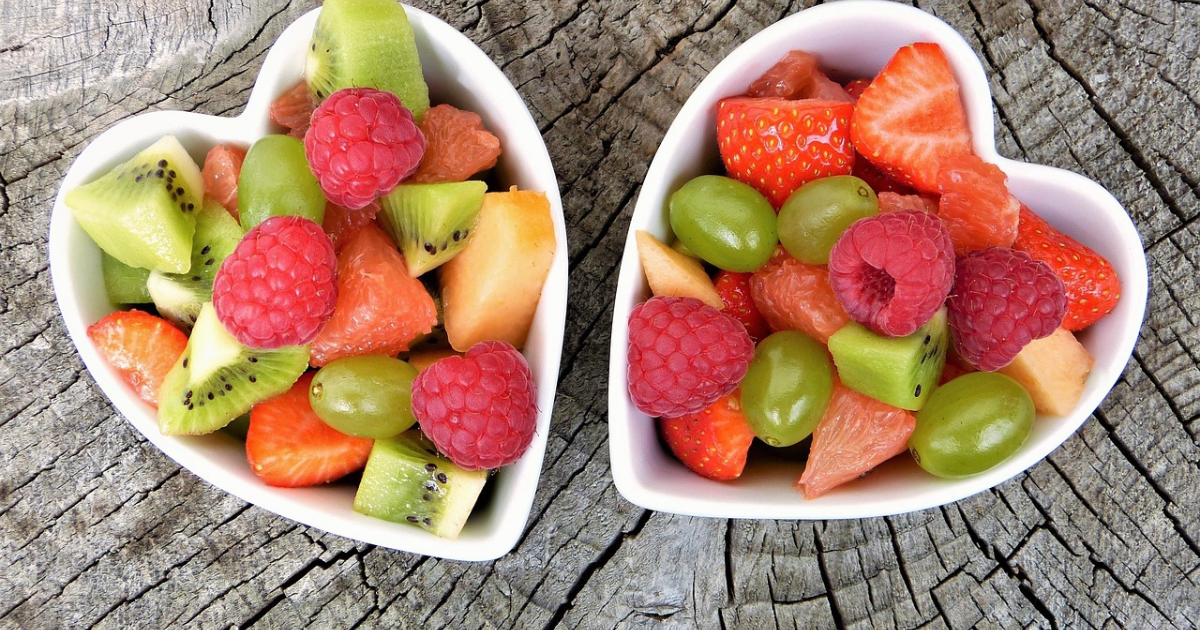
Fresh fruits can be a valuable part of a balanced diet. Different fruits contain different combinations of nutrients.
For example, citrus fruits are well known for their vitamin C content, while bananas provide carbohydrates and potassium. Berries can provide fiber and various plant compounds.
Eating a variety of fruits instead of relying on only one type can help increase the range of nutrients in your diet.
Whole fruit is generally more filling than fruit juice because whole fruit contains fiber and requires more chewing. For everyday meals and snacks, whole fruits can therefore be a convenient way to add nutritious foods to your diet.
2. Fresh Vegetables Are Nutrient-Rich
Vegetables are another important part of fresh nutrition.
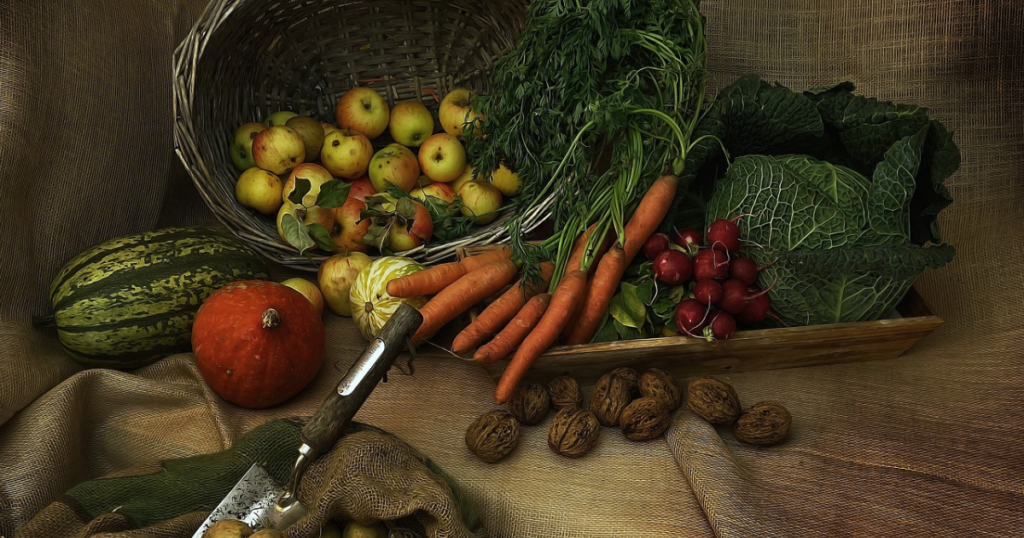
Leafy greens, carrots, tomatoes, peppers, broccoli, cauliflower, peas, and other vegetables can provide different vitamins, minerals, fiber, and plant compounds.
One useful approach is to include vegetables with different colors throughout the week. Eating a variety of vegetables can make meals more interesting while also increasing dietary diversity.
Vegetables can be eaten raw, steamed, roasted, grilled, or cooked in soups, curries, and other meals.
3. Fresh Foods Can Provide Dietary Fiber
Fiber is an important component of a healthy diet. It is found naturally in plant foods such as fruits, vegetables, beans, lentils, whole grains, nuts, and seeds.
Adequate fiber intake can support normal digestive health and can also contribute to feelings of fullness.
If your current diet contains little fiber, increase fiber-rich foods gradually and drink enough fluids. A sudden large increase in fiber may cause digestive discomfort in some people.
4. Fresh Foods Can Add Variety to Your Diet
One of the advantages of choosing a variety of fresh foods is that meals do not have to become repetitive.
You can combine different foods to create balanced meals. For example:
- Vegetables with whole grains
- Beans with vegetables
- Eggs with whole-grain toast and vegetables
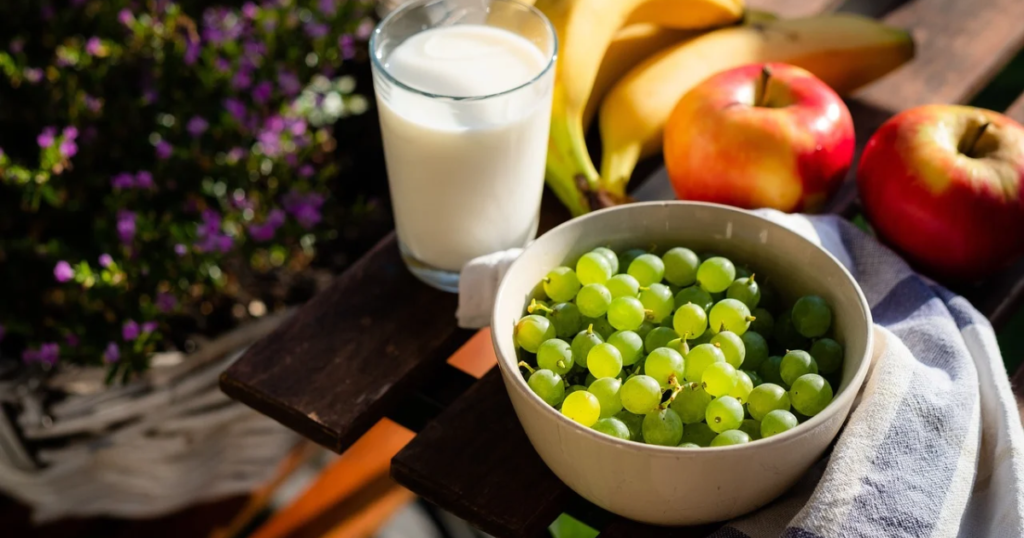
- Fruit with yogurt
- Lentils with vegetables and rice
- Nuts and fruit as a snack
Food variety can make healthy eating more enjoyable and can help you obtain nutrients from different sources.
5. Seasonal Produce Can Be a Practical Choice
Seasonal fruits and vegetables may be easier to find locally during their natural growing seasons.
Buying seasonal produce can also encourage people to experiment with different foods throughout the year.
The exact seasonal availability depends on where you live, local agriculture, weather conditions, and food distribution systems.
Freshness is therefore not only about whether a food was picked recently. Storage and transportation can also influence the quality of produce.
6. Fresh Nutrition Includes More Than Fruits and Vegetables
When people hear the term fresh nutrition, they may immediately think about fruits and vegetables. These foods are important, but a balanced diet includes more than produce.
Depending on individual dietary needs and preferences, nutritious meals can also include:
- Whole grains
- Beans and lentils
- Eggs
- Fish
- Lean meats
- Milk and dairy products
- Nuts
- Seeds
- Tofu and other protein-rich foods
Including several food groups can help create more balanced meals.
7. Minimally Processed Foods Can Still Be Nutritious
Fresh nutrition does not mean that every food must be eaten completely unprocessed.
Freezing, drying, fermenting, pasteurizing, and canning can change food while still allowing it to remain nutritious.
For example, frozen vegetables can be a convenient option when fresh produce is unavailable. Canned beans can also be useful when they are prepared appropriately.
The important consideration is the overall nutritional quality of the food and how it fits into your diet.
8. Preparation Methods Matter
How you prepare food can influence its nutritional profile.
Cooking methods such as steaming, baking, roasting, and grilling can be useful ways to prepare many foods. Adding large amounts of salt, sugar, or saturated fat during preparation can change the overall nutritional value of a meal.
For vegetables, different cooking methods may affect individual nutrients differently. Therefore, there is no single preparation method that is best for every food.
A practical approach is to use a variety of preparation methods and focus on balanced meals.
9. Fresh Nutrition Can Support Healthy Eating Habits
Building meals around nutritious foods can make healthy eating easier.
For example, you might prepare a meal using:
- A source of protein
- A serving of vegetables
- A whole-grain food
- A piece of fruit
- A healthy source of fat
This simple structure can help create balanced meals without requiring complicated recipes.
Healthy eating is not about achieving perfection at every meal. Consistency and overall dietary patterns are more important.
10. Food Quality Matters More Than the Label “Fresh”
The word “fresh” can sound automatically healthy, but consumers should look at the complete nutritional picture.
A fresh food can still contain significant amounts of naturally occurring sugars, sodium, or calories depending on the food.
For example, portion size matters when eating calorie-dense foods such as nuts and seeds. Similarly, fruit contains naturally occurring sugars but can still be a nutrient-rich part of a balanced diet.
Rather than judging food only by whether it is fresh, consider its nutrients, ingredients, portion size, preparation, and role in your overall diet.
Fresh Nutrition vs. Processed Foods
There is often a misconception that all processed foods are unhealthy.
In reality, food processing covers a very broad range of techniques. Washing, cutting, freezing, drying, pasteurizing, cooking, and canning are all forms of food processing.
Some highly processed foods can be high in added sugar, sodium, or saturated fat, especially when consumed frequently and in large portions. However, some processed foods can also be convenient sources of important nutrients.
For example, frozen vegetables may help people eat more vegetables when fresh produce is not readily available.
The better approach is to focus on the nutritional quality of the overall diet rather than categorizing every food as simply “fresh” or “processed.”
How to Build a Fresh Nutrition Meal
Creating a nutritious meal does not have to be complicated.
Start by choosing a protein source. This could be beans, lentils, eggs, fish, poultry, tofu, yogurt, or another suitable option.
Next, add vegetables or salad. Choose different vegetables throughout the week to increase variety.
Then add a source of whole grains or another carbohydrate-rich food, such as brown rice, oats, whole-grain bread, or potatoes.
Finally, include a suitable source of healthy fat, such as nuts, seeds, or certain plant oils.
Fruit can be included as part of a meal or used as a snack.
This approach makes fresh nutrition practical rather than restrictive.
Benefits of Choosing More Fresh Foods
Including more nutritious fresh foods can have several potential benefits as part of an overall balanced eating pattern.
Better Dietary Variety
Fresh fruits and vegetables come in many varieties. Eating different foods can help diversify the nutrients in your diet.
More Fiber
Many fruits, vegetables, legumes, and whole grains are good sources of dietary fiber.
More Nutrient-Dense Choices
Some fresh foods provide substantial amounts of vitamins and minerals relative to their calorie content.
More Natural Food Options
Choosing foods that are minimally processed can make it easier to identify the main ingredients in a meal.
Greater Meal Variety
Fresh ingredients can be used in salads, soups, sandwiches, curries, stir-fries, smoothies, and many other meals.
How to Shop for Fresh Nutrition
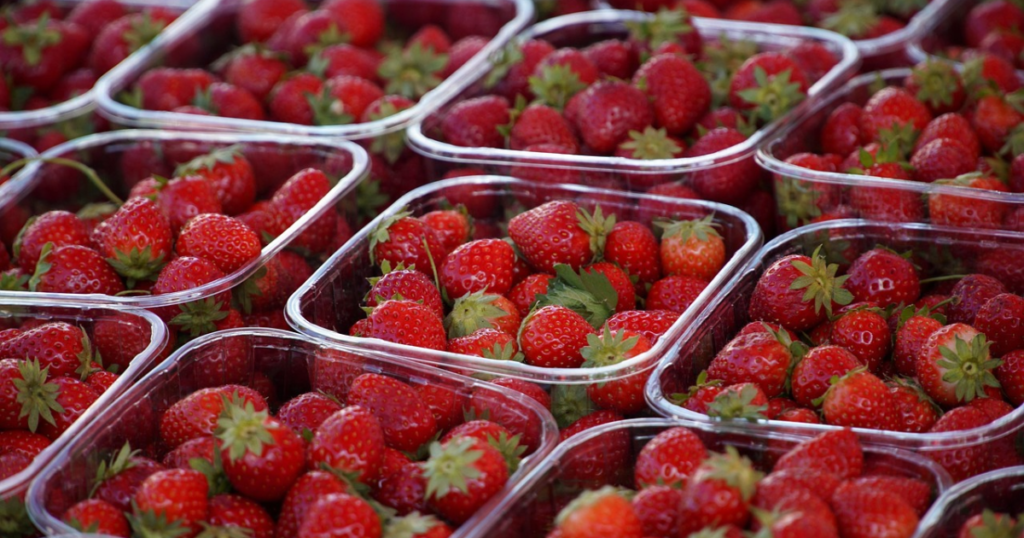
Shopping habits can make a significant difference in how easy it is to eat nutritious food.
Make a Shopping List
Prepare a list before going to the grocery store or market. Include fruits, vegetables, protein sources, whole grains, and other foods that you regularly eat.
Buy Different Colors of Produce
Try purchasing several types of fruits and vegetables rather than buying only one or two varieties.
Check Food Quality
When buying fresh produce, look for items that are appropriate for immediate use and store them correctly once you return home.
Consider Frozen Options
If fresh produce is expensive or unavailable, frozen vegetables and fruits can be practical alternatives.
Read Food Labels
For packaged foods, check the nutrition facts panel and ingredient list. Pay attention to serving size, sodium, added sugars, fiber, and other nutrients relevant to your dietary needs.
Fresh Nutrition for Students and Families
Fresh nutrition can be especially useful for families because food habits often develop through everyday routines.
Parents and caregivers can encourage healthy choices by making fruits and vegetables available at home and involving children in simple food preparation.
Students can also build healthier eating habits by preparing simple meals instead of relying entirely on convenience foods.
Easy options can include:
- Fruit and yogurt
- Vegetable sandwiches
- Oatmeal with fruit
- Eggs with vegetables
- Lentil soup
- Rice with vegetables and beans
- Salads with a protein source
The goal is to make nutritious food convenient and enjoyable.
Common Mistakes When Choosing Fresh Foods
Even people who want to improve their diet can make mistakes.
Eating Too Little Variety
Eating the same fruit or vegetable every day can limit dietary variety. Try different foods throughout the week.
Assuming Fresh Always Means Healthier
Freshness alone does not determine nutritional quality.
Ignoring Portion Sizes
Even nutritious foods can contribute excessive calories when consumed in very large portions.
Forgetting Protein
A diet focused heavily on fruits and vegetables may not provide enough protein unless beans, lentils, eggs, dairy, fish, meat, tofu, nuts, seeds, or other protein sources are included.
Relying on One “Superfood”
No single food provides everything your body needs. A balanced diet should include a variety of foods.
Simple Tips to Improve Fresh Nutrition Every Day
You do not need to completely change your diet overnight.
Instead, make small changes such as:
- Add one extra serving of vegetables to a meal.
- Keep fresh fruit available for snacks.
- Choose whole grains more often.
- Include beans or lentils regularly.
- Drink water instead of sugary drinks more often.
- Prepare meals at home when practical.
- Try one new vegetable each week.
- Keep healthy snacks easily accessible.
- Plan meals before grocery shopping.
- Focus on consistency rather than perfection.
Small changes can become sustainable habits over time.
Frequently Asked Questions
1. What does fresh nutrition mean?
Fresh nutrition generally refers to obtaining nutrients from fresh or minimally processed foods such as fruits, vegetables, whole grains, legumes, nuts, seeds, and suitable protein sources. It focuses on including a variety of nutritious foods as part of a balanced diet.
2. What are important farm fresh nutrition facts?
Important farm fresh nutrition facts include the nutritional value of fruits and vegetables, their fiber and micronutrient content, the importance of food variety, and the role of preparation and portion size. “Fresh” alone does not determine whether a food is healthy.
3. Are fresh fruits and vegetables healthy?
Fresh fruits and vegetables can be important parts of a balanced diet because they can provide fiber, vitamins, minerals, and other beneficial plant compounds. Eating a variety of produce is generally more useful than focusing on only one type.
4. Are frozen foods less nutritious than fresh foods?
Not necessarily. Freezing can preserve many nutrients, and frozen fruits and vegetables can be convenient alternatives when fresh produce is unavailable. Nutritional quality depends on the specific food and how it is prepared.
5. How can I add more fresh nutrition to my diet?
You can add more fresh nutrition by eating a variety of fruits and vegetables, choosing whole grains, including appropriate protein sources, using nuts and seeds where suitable, preparing meals at home, and replacing some highly processed choices with nutritious alternatives.
Conclusion
Fresh nutrition can be a practical approach to building a balanced and varied diet. Fresh fruits, vegetables, whole grains, legumes, nuts, seeds, and nutritious protein sources can provide many of the nutrients needed for everyday health.
Understanding farm fresh nutrition facts can also help you look beyond the simple idea that “fresh is always better.” Food quality depends on many factors, including nutrients, preparation methods, portion sizes, storage, and the overall dietary pattern.
The best approach is to focus on variety and balance rather than searching for one perfect food. Include different fruits and vegetables, choose appropriate protein sources, add whole grains and fiber-rich foods, and make nutritious choices that fit your lifestyle.
Whether you are a student, parent, professional, or simply someone trying to improve your eating habits, small and consistent changes can make a meaningful difference. By making nutrient-rich foods a regular part of your meals, you can create a more balanced approach to eating while still enjoying a wide range of foods.
Meta Description :
Discover fresh nutrition and 10 important farm fresh nutrition facts. Learn the benefits of fresh foods, healthy meal ideas, shopping tips, and simple nutrition habits.