Introduction
If you are looking for fresh fin nutrition facts, understanding the nutritional value of seafood can help you make smarter choices for everyday meals. Fish and other seafood can provide high-quality protein along with important nutrients, and different varieties can have very different amounts of calories, fat, sodium, and other nutrients.
The term “Fresh Fin” can refer to seafood products as well as FreshFin-style poke, grain bowls, and salads, so nutrition information depends on the specific product or meal you are eating. Fresh Fin Gourmet, for example, offers a range of seafood products, including salmon and other fish, while FreshFin Poké is known for customizable poke, grain bowls, and salads.
This guide explains fresh fin nutrition facts in a simple way, including protein, calories, healthy fats, omega-3 fatty acids, sodium, portion sizes, and practical ways to create a balanced seafood meal.
What Are Fresh Fin Nutrition Facts?
Table of Contents
Fresh fin nutrition facts describe the nutritional information associated with fresh fin seafood or a specific Fresh Fin food product. Depending on the food, a nutrition label may provide information about:
- Calories
- Total fat
- Saturated fat
- Protein
- Carbohydrates
- Sodium
- Cholesterol
- Vitamins and minerals
The exact nutritional profile depends on the type of fish, serving size, preparation method, and additional ingredients.
For example, salmon generally contains more fat than very lean fish, while lean white fish can provide substantial protein with fewer calories. A prepared poke bowl can have a completely different nutritional profile because rice, sauces, avocado, toppings, and other ingredients contribute additional calories and nutrients.
That is why it is important to look at the complete meal rather than judging a food simply by the word “fresh.”
Why Fresh Fin Nutrition Facts Matter
Nutrition labels and food information can help you understand what you are eating.
When choosing seafood, looking at nutrition information can help you compare different options according to your personal goals.
For example, someone looking for a high-protein meal may pay particular attention to protein content. Someone monitoring sodium may want to compare sauces, seasonings, and prepared foods.
Understanding nutrition facts can also help you create balanced meals instead of relying on assumptions about whether a particular food is healthy.
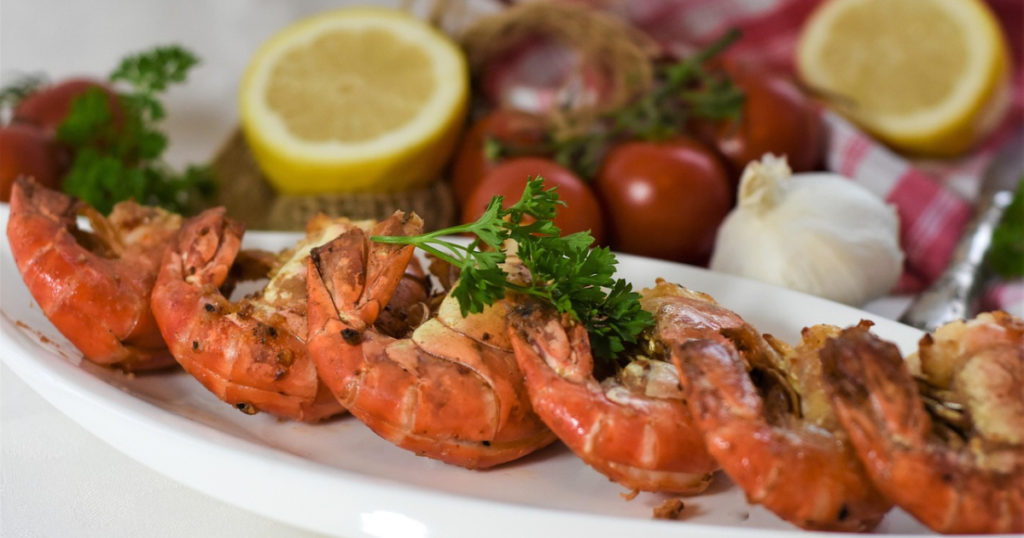
Fresh Fin Seafood Can Be a Good Source of Protein
One of the most important nutritional benefits of many seafood choices is protein.
Protein helps support normal muscle maintenance and many other functions in the body. Fish can provide complete protein, meaning it contains all of the essential amino acids your body needs from food.
The amount of protein varies by fish and serving size.
For example, a seafood product listed by a U.S. grocery retailer provides 21 grams of protein per 4-ounce serving of tilapia, along with 97 calories and 1 gram of total fat.
This illustrates why checking the nutrition facts for the specific fish you are eating is more useful than assuming every seafood product has the same nutritional profile.
Calories in Fresh Fin Foods
Calories provide energy, but the number of calories in a seafood meal can vary considerably.
Plain grilled or baked fish may contain relatively few calories compared with a large prepared meal containing rice, sauces, avocado, crispy toppings, or other calorie-dense ingredients.
For example, a 4-ounce serving of the tilapia product mentioned above contains 97 calories.
However, adding sauces and toppings can significantly change the total calorie count of a complete meal.
When reviewing fresh fin nutrition facts, always check the serving size. A nutrition label for one serving does not necessarily represent the amount you will eat in a restaurant meal or large bowl.
Protein vs. Fat: Understanding the Difference
Not all fish contain the same amount of fat.
Some fish, such as salmon, naturally contain more fat than very lean varieties such as certain white fish. However, fat is not automatically something to avoid.
Some types of seafood provide unsaturated fats, including omega-3 fatty acids.
The key is to consider the overall nutritional profile and portion size.
For people choosing seafood as part of a balanced diet, a variety of fish can provide different combinations of protein and fats.
Omega-3 Fatty Acids in Seafood

Omega-3 fatty acids are one reason seafood is frequently included in discussions about nutritious eating.
Fatty fish such as salmon are notable sources of omega-3 fats. These fats are involved in normal physiological functions, and seafood is an important dietary source.
Fresh Fin Gourmet, for example, describes its Scottish salmon as having a relatively high fat content and provides nutritional information for its seafood products.
If you are interested in omega-3 intake, compare different seafood choices and consider the overall variety in your diet.
Fresh Fin Nutrition Facts and Sodium
Sodium is another nutrient worth checking, particularly when eating prepared seafood meals.
Plain fish may naturally contain relatively little sodium, but sauces, marinades, seasonings, dressings, and toppings can add substantial amounts.
For example, the nutrition information for one fresh tilapia product lists 40 milligrams of sodium per 4-ounce serving.
A prepared bowl, however, can contain more sodium depending on the ingredients used.
If you are trying to manage sodium intake, ask for sauces on the side when ordering prepared meals and compare nutrition information when it is available.
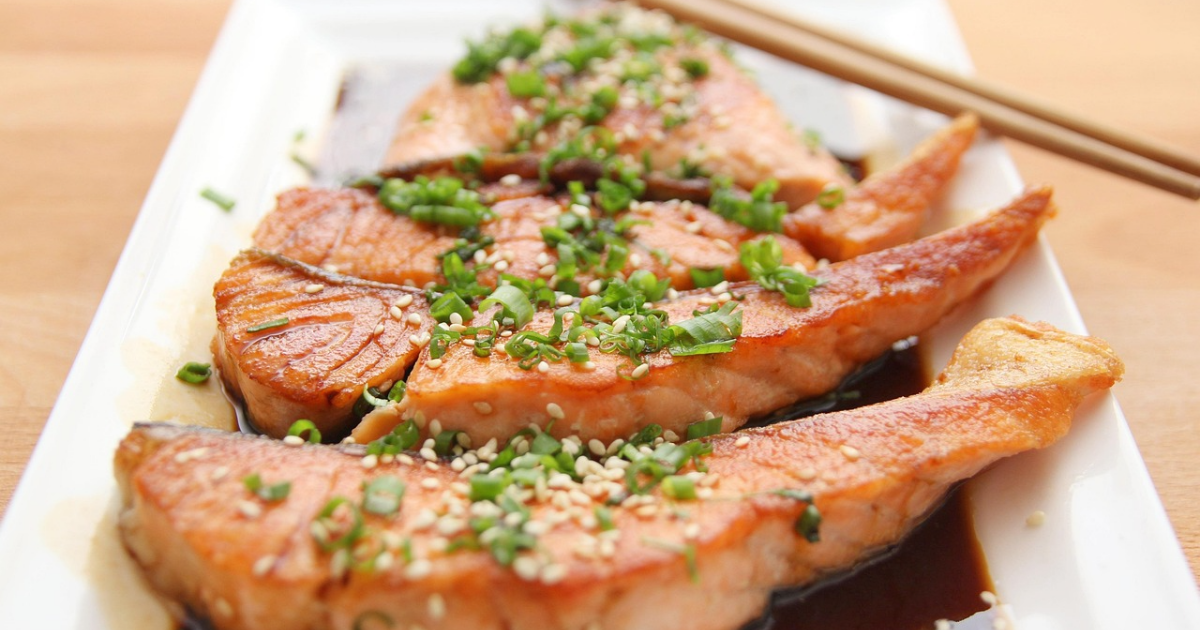
Fresh Fin Nutrition Facts for Salmon
Salmon is one of the most popular seafood choices in the United States.
It is a source of protein and naturally occurring fats, including omega-3 fatty acids.
Fresh Fin Gourmet offers Scottish salmon portions and describes them as having a mild flavor and relatively high fat content.
Because salmon contains more fat than some lean white fish, its calorie content may also be higher. That does not make it a poor choice. Instead, it means that portion size and the rest of the meal should be considered.
A simple grilled salmon meal with vegetables and a whole grain can provide a balanced combination of protein, fats, carbohydrates, fiber, vitamins, and minerals.
Fresh Fin Nutrition Facts for White Fish
White fish varieties are often popular with people who want a lean protein option.
Fish such as cod, haddock, sole, and tilapia can provide protein while generally containing less fat than many fatty fish.
The exact nutritional profile varies by species and preparation method.
For example, Fresh Fin Gourmet offers products such as wild Dover sole and other seafood varieties.
When comparing white fish, check the specific product’s nutrition label rather than relying on general assumptions.
Fresh Fin Poke Nutrition Facts

FreshFin Poké offers poke, grain bowls, and salads, and its meals can be customized with different bases, proteins, toppings, and sauces.
This means the nutrition facts of a poke bowl can vary significantly.
A bowl containing fish, greens, vegetables, and a light dressing will have a different nutritional profile from one containing rice, avocado, multiple sauces, crispy toppings, and other calorie-dense ingredients.
When building a poke bowl, consider the complete combination.
Choose a Balanced Base
Common bases may include rice, greens, or other alternatives.
A grain base can provide carbohydrates for energy, while leafy greens and vegetables can increase the volume and nutrient variety of the meal.
Choose a Protein
Fish such as salmon or tuna can provide high-quality protein.
Other options may include chicken, shrimp, tofu, or plant-based choices depending on the menu.
Add Vegetables
Vegetables can add fiber, vitamins, minerals, and texture without necessarily adding large amounts of calories.
Options may include cucumber, carrots, leafy greens, edamame, radishes, and other vegetables.
Pay Attention to Sauces
Sauces can have a major effect on the nutritional profile of a bowl.
If you are trying to reduce calories or sodium, consider using less sauce or asking for it separately.
Are Fresh Fin Foods Healthy?
Fresh seafood can be part of a healthy and balanced diet, but the answer depends on the specific food and how it is prepared.
A plain serving of fish is nutritionally different from fried fish covered in a high-calorie sauce.
Likewise, a balanced poke bowl can be different from a large bowl containing several calorie-dense toppings.
Therefore, the best question is not simply “Is Fresh Fin healthy?” but rather:
What are the nutrition facts of the specific food, how much am I eating, and what other ingredients are included?
This approach provides a more accurate way to evaluate a meal.
Healthy Ways to Prepare Fresh Fin Seafood
Preparation can have a significant effect on the overall nutrition of a meal.
Grilling
Grilling can be a simple way to prepare fish without requiring large amounts of added fat.
Baking
Baking is another practical option for preparing fish at home.
Steaming
Steaming can preserve the natural flavor of fish while avoiding heavy coatings.
Pan Cooking
Pan-cooking can also work well, although the amount and type of cooking oil should be considered.
Deep Frying
Deep frying can substantially increase the calorie and fat content of seafood because the food absorbs cooking oil.
If your goal is a lighter meal, grilled, baked, or steamed seafood may be easier to fit into that eating pattern.
Fresh Fin Nutrition Facts and Portion Size
Portion size is an important part of understanding nutrition information.
A nutrition label might list nutrients for 3 or 4 ounces of fish, but a restaurant serving may be larger.
Similarly, a poke bowl may contain multiple ingredients, meaning the total nutrition cannot be determined by looking at the fish alone.
When possible, compare the serving size on the nutrition information with the amount actually being consumed.
This simple habit can make nutrition labels much easier to understand.
How to Build a Balanced Fresh Fin Meal
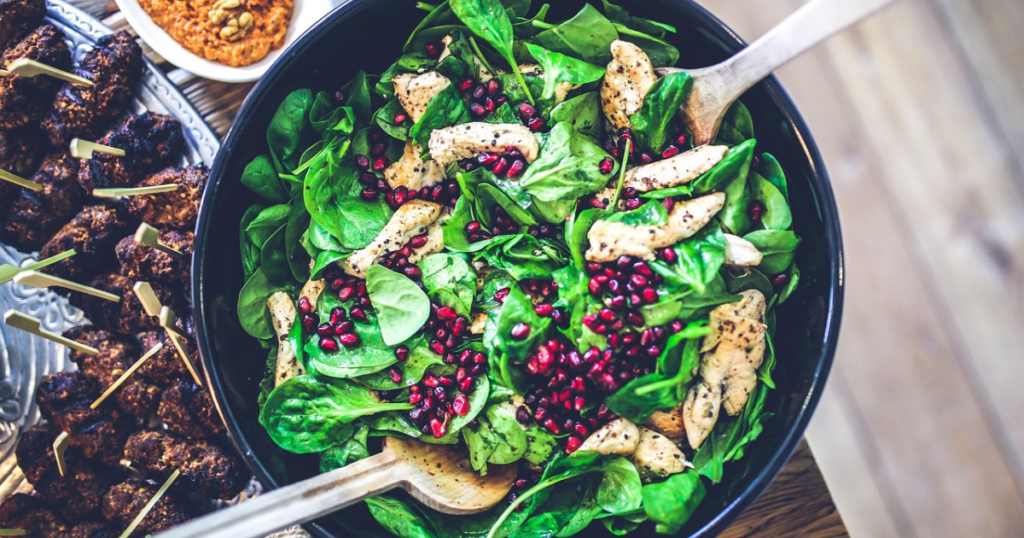
A balanced seafood meal can be simple.
Start with a protein source such as fish or another suitable protein.
Then add vegetables to increase fiber and nutrient variety.
Choose a carbohydrate source according to your preferences and energy needs. Whole grains, potatoes, rice, or other carbohydrate-rich foods can all be included in a balanced diet.
Finally, consider a source of healthy fat such as avocado, nuts, seeds, or fish that naturally contains more unsaturated fat.
A simple example could be:
- Grilled salmon
- Brown rice
- Mixed vegetables
- Fresh fruit
- Water or another low-sugar beverage
The exact combination can be adjusted according to personal preferences and dietary needs.
Fresh Fin Nutrition Facts for Different Dietary Goals
Different people may look at nutrition information for different reasons.
For Higher Protein
Focus on seafood and other foods that provide substantial protein per serving.
For Lower Calories
Compare serving sizes and choose preparation methods and toppings that do not add excessive calories.
For Lower Sodium
Pay attention to sauces, dressings, marinades, and processed toppings.
For More Omega-3s
Consider seafood choices that naturally provide omega-3 fatty acids, such as fatty fish.
For More Fiber
Add vegetables, legumes, whole grains, fruits, nuts, or seeds to your meal.
The most suitable choice depends on your overall diet and individual nutritional needs.
How to Read a Nutrition Facts Label
Reading a nutrition label becomes easier when you follow a simple order.
Step 1: Check Serving Size
First, determine how much food the listed nutrition information represents.
Step 2: Look at Calories
Calories tell you how much energy one serving provides.
Step 3: Check Protein
Protein can be especially useful to compare when choosing seafood.
Step 4: Check Fat
Look at total fat and saturated fat.
Step 5: Check Sodium
This is particularly important for prepared foods and sauces.
Step 6: Consider the Entire Meal
Do not evaluate one ingredient in isolation. Think about the full meal and portion size.
Common Mistakes When Looking at Fresh Fin Nutrition Facts
Assuming All Fish Are the Same
Different fish have different nutritional profiles.
Ignoring Serving Size
A nutrition label may describe a smaller serving than the amount you actually eat.
Forgetting About Sauces
Sauces and dressings can add calories, sodium, and other nutrients.
Assuming Fresh Means Low-Calorie
Freshness does not automatically determine calorie content.
Focusing Only on Calories
Protein, fiber, fats, sodium, vitamins, minerals, and overall dietary quality also matter.
Tips for Making Better Fresh Fin Food Choices
If you enjoy seafood or poke-style meals, a few simple habits can help you build balanced meals.
Choose fish that fits your nutritional preferences.
Add several vegetables for variety.
Use sauces thoughtfully.
Pay attention to portion sizes.
Choose water or another suitable beverage instead of relying on sugary drinks.
Include a variety of seafood and other protein sources throughout your diet.
Most importantly, look at the complete meal rather than one nutrition number.
Frequently Asked Questions
1. What are fresh fin nutrition facts?
Fresh fin nutrition facts refer to the nutritional information for fresh fin seafood or Fresh Fin food products. Depending on the product, this information can include calories, protein, fat, carbohydrates, sodium, cholesterol, vitamins, and minerals.
2. Is Fresh Fin seafood healthy?
Fresh seafood can be part of a balanced diet because many fish provide high-quality protein and some provide omega-3 fatty acids. However, the nutritional value depends on the specific seafood, portion size, cooking method, sauces, and other ingredients.
3. Is Fresh Fin high in protein?
Many seafood products are good sources of protein. The exact amount varies by fish and serving size. For example, one listed 4-ounce tilapia serving provides 21 grams of protein.
4. What is the healthiest way to prepare fresh fish?
Grilling, baking, and steaming are practical preparation methods that can avoid the additional calories associated with deep frying. The best method depends on your dietary preferences and the specific fish.
5. Are Fresh Fin poke bowls healthy?
A poke bowl can be part of a balanced meal, but its nutrition depends on the ingredients. Fish, vegetables, and an appropriate base can provide a nutritious combination, while large portions of sauces and calorie-dense toppings can increase total calories and sodium. FreshFin offers customizable poke, grain bowls, and salads, so the final nutrition depends on the selected ingredients.
Conclusion
Understanding fresh fin nutrition facts can make it easier to choose seafood meals that fit your nutritional goals. Fish can provide high-quality protein, and some varieties, such as salmon, are also notable sources of healthy fats and omega-3 fatty acids.
At the same time, nutrition depends on more than the seafood itself. Serving size, cooking method, sauces, toppings, rice, vegetables, and other ingredients can significantly change the nutritional profile of a meal.
If you enjoy Fresh Fin seafood or poke-style meals, focus on balance. Choose a suitable protein, add vegetables, consider your carbohydrate and fat sources, and pay attention to sauces and portion sizes.
Rather than looking for one “perfect” food, use fresh fin nutrition facts to make informed choices that fit your overall eating pattern. A varied diet that includes nutritious seafood along with vegetables, fruits, whole grains, and other nutrient-rich foods can be a practical foundation for healthy eating.
Meta Description :
Discover fresh fin nutrition facts, including calories, protein, omega-3s, sodium, serving sizes, and healthy tips for choosing seafood and poke bowls.