
Introduction
If you are looking for LDS Hospital medical records, you may want to access records from a previous hospital visit, send information to another doctor, obtain copies for your personal files, or find records that are not currently visible in your patient portal.
LDS Hospital is part of Intermountain Health, so patients looking for older LDS Hospital records can use Intermountain Health’s current medical-records and MyChart resources. Intermountain says patients can access a limited set of health information through its app, powered by MyChart, while additional or complete records can be requested through its medical-records process.
This guide explains how LDS Hospital medical records requests work, what information you may be able to access online, how to request a complete record, how to transfer records to another provider, and what to know about authorization, delivery methods, family access, and processing times.
What Are LDS Hospital Medical Records?
Medical records are documents and information created or maintained as part of a patient’s healthcare. Depending on the care you received, your records may include information from hospital visits, outpatient appointments, emergency care, laboratory testing, imaging, procedures, and other services.
The current Intermountain Health patient request form allows patients to identify the Intermountain hospital, clinic, or doctor from which they want records and specify the dates of service. The form includes several record categories, such as clinic visits, history and physicals, laboratory records, emergency reports, discharge summaries, imaging reports, billing records, operative reports, consultations, and cardiac studies or EKGs.
This means you do not necessarily have to request every document in your medical history. When appropriate, you can identify the particular records or dates you need.
How to Access LDS Hospital Medical Records Online
One of the easiest places to start is the Intermountain Health app, powered by MyChart.
Intermountain Health says eligible patients can use MyChart to access a limited set of health records at no cost. Available information can include:
- History and physicals
- Discharge summaries
- Laboratory results
- Imaging reports
- Actual imaging in available cases
- Emergency Department notes
- Progress notes
If you need information that is not available in your account, Intermountain provides a medical-record request option through MyChart.
How to Find LDS Hospital Records in MyChart
After signing in, Intermountain’s current instructions direct patients to:
- Open the Menu.
- Select Sharing.
- Choose Request Records.
- Select the specific visits or documents you need.
- Follow the instructions to submit the request.
Intermountain also provides electronic delivery options for requested records.
If a particular older LDS Hospital document does not appear in MyChart, that does not necessarily mean the record no longer exists. You may need to request it through the medical-records department.
How to Request LDS Hospital Medical Records
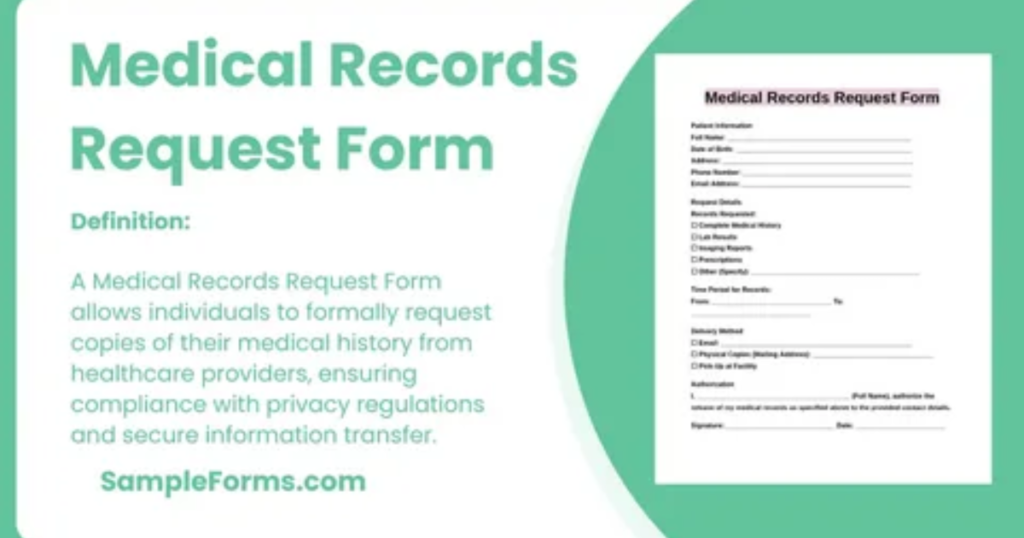
If you need a complete copy of your medical record or information that is not available through MyChart, you can use Intermountain Health’s medical-record request process.
For Utah and Idaho, Intermountain currently provides several ways to submit a request, including mail, fax, email, and in-person options.
LDS Hospital Medical Records Request Form
Intermountain Health provides a Patient Request for Health Information form for people requesting their records.
The form asks for information such as:
- First and last name
- Name used at the time of treatment, if different
- Date of birth
- Phone number
- Email address, if applicable
- Mailing address
- The Intermountain hospital, clinic, or doctor
- Dates of service
- Types of records requested
- Delivery method
- Recipient information
- Patient or personal representative signature
Providing complete information can help avoid delays.
What Should You Put on the Request Form?
When completing the form, be as specific as reasonably possible.
For example, if you only need records from a particular hospital stay, identify the relevant dates instead of requesting an unnecessarily broad period.
You can also specify the type of records you need. The current Intermountain form includes options for laboratory records, emergency reports, discharge summaries, imaging reports, operative reports, consultations, and other categories.
What Types of LDS Hospital Records Can You Request?
The exact information available depends on your care and the records maintained by the healthcare organization.
Examples of records that can be requested include:
Hospital Visit Records
These may include documentation associated with a hospital stay or clinic visit.
Emergency Department Records
Emergency records can contain information related to an emergency visit, including the clinical documentation associated with that encounter.
Laboratory Records
Laboratory information can include results from tests performed during your care.
Imaging Reports
Imaging-related records can include reports for studies such as X-rays and other diagnostic imaging. Intermountain’s MyChart information also says actual imaging may be available through the patient portal in applicable cases.
Discharge Summaries
A discharge summary can provide an overview of a hospital stay and the care provided.
Operative Reports
If you had a procedure or surgery, an operative report may be among the records you can request.
Billing Records
The current patient request form also includes billing records as a selectable category.
Doctors’ Notes From the Hospital
People sometimes search for doctors notes from hospital because they need documentation from a previous appointment or hospital stay.
Provider notes can be part of the medical record. Intermountain says MyChart may provide access to progress notes and Emergency Department notes, along with other information.
If a particular note is not available through your account, you can request health information through the appropriate medical-record process.
When requesting a specific note, it can help to provide the approximate date of service, department, provider, or visit involved.
How Long Does It Take to Receive Medical Records?
Intermountain Health currently states that medical-record requests for Utah and Idaho are filled within 30 days of the request.
That does not necessarily mean every request will take exactly 30 days. Processing can depend on what is being requested, how the request is submitted, and whether additional information is needed.
If you need records for an upcoming appointment, it is sensible to submit the request as early as possible.
Can My Request Be Delayed?
A request may take longer if important information is missing or if the healthcare organization needs clarification.
The current request form specifically instructs patients to complete all sections to avoid delays.
Before submitting your request, check:
- Your name
- Date of birth
- Contact information
- Hospital or provider name
- Dates of service
- Records requested
- Delivery method
- Recipient details
- Signature
How Can Medical Records Be Delivered?
The current Intermountain Health request form provides several delivery choices.
Depending on the request, options include:
- Paper by mail
- Paper for in-person pickup
- Electronic delivery
The form also provides electronic options such as email, USB, CD, portal, or another specified method where applicable.
Not every delivery method will necessarily be appropriate for every request. Follow the options available on the current form.
How to Transfer Medical Records to Another Doctor
You may need to transfer records when changing doctors, seeing a specialist, moving to another healthcare system, or preparing for ongoing treatment.
Intermountain Health provides a way to share records electronically through MyChart.
The current instructions are:
- Sign in to MyChart.
- Go to Menu.
- Select Sharing.
- Choose Share My Record.
- Select whether you want to download, print, or send the record electronically.
Intermountain also participates in Care Everywhere, which allows participating healthcare providers to request and receive records through their electronic health-record systems. Intermountain recommends asking the receiving provider to request records directly through the electronic system when possible.
This can be useful when you are transferring care and want your new provider to have relevant medical information.
Releasing Medical Records to Another Person
Patients may also need to send records to another person or organization.
Intermountain’s authorization form allows patients to identify the person, company, or organization receiving the records. The form also provides options for the purpose of disclosure, such as continuity of care, insurance or workers’ compensation, legal purposes, personal use, and other purposes.
When sending medical information to another party, carefully check the recipient’s information before submitting the request.
Can a Family Member Request Medical Records?
Medical records contain private health information, so access by another person may require appropriate authorization or legal authority.
Intermountain Health also provides MyChart proxy access, which allows certain family members or authorized representatives to access another person’s information through their own account.
For adults age 18 and older, Intermountain says proxy access can be granted through MyChart by selecting Share My Record. Rules for children and teenagers differ based on age and privacy requirements.
If you are requesting records for another person, check the current authorization requirements before submitting the request.
MyChart Proxy Access
Proxy access can be useful for parents, guardians, caregivers, or legally authorized representatives.
Intermountain’s proxy-access information says that legal documentation may be required for certain parent, guardian, or legal representative requests.
The exact process depends on the patient’s age and the relationship between the patient and the person requesting access.
Because privacy laws apply to medical information, do not assume that being a family member automatically gives you access to another person’s complete medical record.
What If LDS Hospital Record Are Missing From MyChart?
Not every part of a medical record necessarily appears in the patient portal.
Intermountain’s patient-portal guidance explains that older health records may not immediately appear in the app and that patients can request information that is not visible through the Sharing section or medical-records page.
If you cannot find a particular document:
- Check the relevant MyChart section.
- Confirm the approximate date of the visit.
- Use the medical-record request option.
- Contact Intermountain Health if you need help with the request.
Finding Older LDS Hospital Records through the Patient Portal?
Intermountain Health has moved patients to its newer patient-portal experience.
The current patient-portal information states that previous Intermountain patient portals have been deactivated and that patients need to use the new Intermountain Health app powered by MyChart.
If you previously used an older Intermountain portal and cannot find information you expected to see, you may need to request the records through the current medical-records process.
This is particularly relevant when searching for older LDS Hospital information.
Medical Records Copy Fees
There may be charges associated with producing copies of medical records or certain radiology materials.
Intermountain Health states that charges may apply for medical-record copies or CD/DVD radiology images released.
The amount can depend on the type and format of the records requested.
Before submitting a large request, review the current information provided by Intermountain Health if you are concerned about possible charges.
How to Avoid Problems With a Medical Records Request
A few simple steps can make the process easier.
1. Identify the Correct Facility
Write the specific Intermountain hospital, clinic, or doctor connected with the care you received.
2. Include the Dates of Service
If you know the approximate dates, include them on the request.
3. Specify the Records You Need
Instead of writing only “all records,” identify the relevant categories when possible.
4. Check Your Contact Information
Make sure your mailing address, phone number, and email address are correct.
5. Choose the Delivery Method Carefully
Select the delivery option that works best for your situation.
6. Sign the Request
The current patient request form includes a signature section for the patient or personal representative.
7. Keep a Copy
Keep a copy of the completed request and any related confirmation for your own records.
Requesting Medical Records for Legal or Insurance Purposes
Medical records may sometimes be needed for insurance claims, legal matters, disability-related documentation, or other administrative purposes.
Intermountain’s authorization form includes purposes such as continuity of care, insurance or workers’ compensation, legal matters, health oversight, law enforcement, and personal use.
If the records are being requested for a legal or insurance matter, make sure you understand exactly which documents are required before submitting the request.
A broad request may not always be necessary if a specific document will satisfy the purpose.
Electronic Records vs. Paper Copies
Electronic records can be convenient because they may be easier to download, send, store, or share with another provider.
Paper copies may be useful when a specific organization requires printed documentation or when electronic access is not practical.
Intermountain’s current patient request form includes both paper and electronic delivery options.
The best option depends on how you intend to use the records.
What Is MRN on a Medical Form?
If you are completing a healthcare form, you may see the abbreviation MRN, which commonly means Medical Record Number.
An MRN is an identifier used by a healthcare organization to associate records with a patient.
If a form asks for an MRN and you do not know yours, check your patient information or contact the healthcare organization for assistance.
Do not guess an identification number on an official medical-record request.
Frequently Asked Questions
1. How do I request LDS Hospital medical records?
LDS Hospital records can be requested through Intermountain Health’s current medical-records process. Patients can use MyChart for available records or submit a medical-record request form for additional or complete records. Utah and Idaho requests can currently be submitted by mail, fax, email, or in person.
2. Can I access LDS Hospital medical records through MyChart?
Yes. Intermountain Health’s MyChart system provides eligible patients with access to a limited set of health records, including items such as laboratory results, discharge summaries, progress notes, Emergency Department notes, and imaging information. Additional records can be requested through MyChart or the medical-records process.
3. How long does it take to receive medical records?
Intermountain Health currently states that Utah and Idaho medical-record requests will be filled within 30 days of the request. Individual requests can vary depending on the information needed and whether clarification is required.
4. Can I send my medical records to another doctor?
Yes. Intermountain Health provides MyChart options for downloading, printing, or electronically sending records. Healthcare providers can also use Care Everywhere to request records directly through participating electronic health-record systems.
5. Can a family member access my medical records?
A family member may be able to access records when appropriate authorization or proxy access has been established. Intermountain Health offers MyChart proxy access, but requirements depend on the patient’s age and legal relationship of the person requesting access.
Conclusion
Finding LDS Hospital medical records is easier when you know whether you need information that is already available through MyChart or a complete record that requires a formal request.
Intermountain Health’s current system allows eligible patients to view certain records through the Intermountain Health app powered by MyChart. Patients can also request additional records through the medical-records process and choose from available delivery options.
For Utah and Idaho, Intermountain Health currently provides mail, fax, email, and in-person options for medical-record requests and states that requests are filled within 30 days. Patients can also share available records with another provider through MyChart or use participating provider-to-provider electronic exchange.
If you need records from an older LDS Hospital visit, start by checking your current MyChart account. If the information is not available, use the current Intermountain Health medical-record request process and provide complete information to help avoid delays.
Meta Description: Learn how to request LDS Hospital medical records, access records through MyChart, transfer records, request copies, and understand processing times.