Introduction
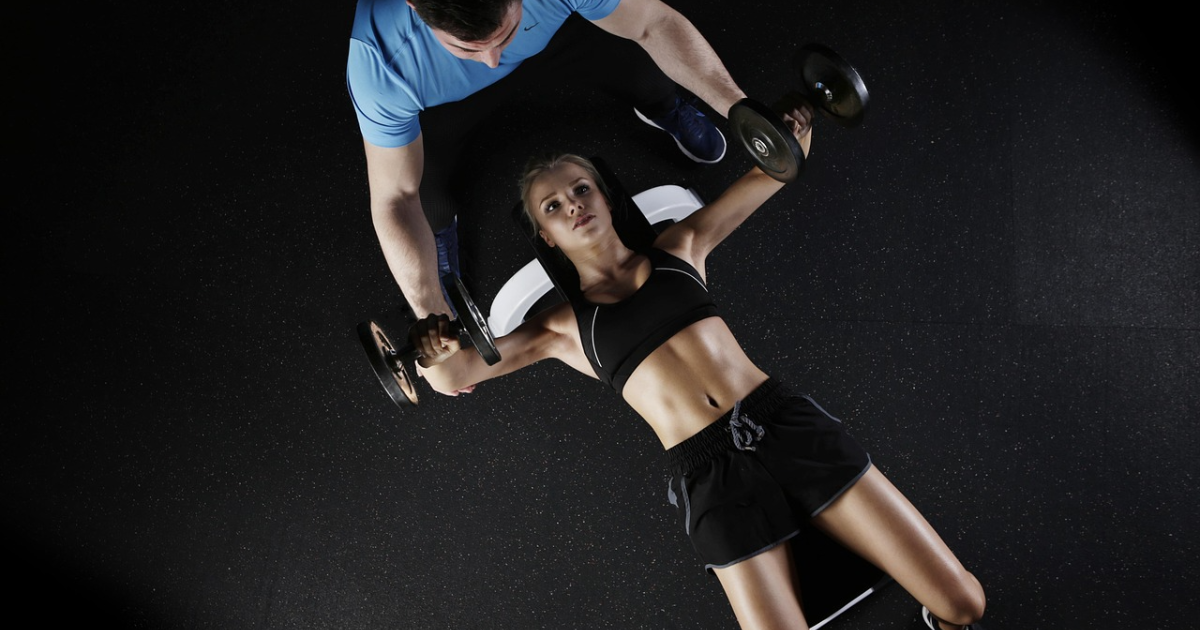
Finding the best health and fitness sites can be challenging because there are thousands of websites and platforms covering workouts, nutrition, wellness, health education, and fitness tracking. Some focus on exercise programs, while others provide meal-planning tools, expert-written articles, coaching, or community features.
Choosing the best health and fitness sites can help you find reliable resources that match your health, fitness, and wellness goal.
The best platform for you depends on your goals, budget, experience level, and the type of support you need. A person looking for workout guidance may need a very different website from someone who wants reliable health information or nutrition resources.
In this guide, we’ll explore the main types of health and fitness websites, explain the features worth looking for, compare several well-known platforms, and provide practical tips for choosing a website that fits your needs.
By the end, you’ll know what makes a health and fitness website useful, what warning signs to avoid, and how to compare platforms before signing up.
Why Choosing the Right Health and Fitness Website Matters
Table of Contents
With so many health and fitness platforms available, choosing the right one can save you time, money, and frustration. When comparing the best health and fitness sites, look for platforms that provide reliable information and useful tools that are easy to understand and appropriate for your goals.
Here are some important factors to consider:
- Credibility: Look for information created or reviewed by qualified health, nutrition, or fitness professionals.
- Personalization: Some platforms allow you to adjust workouts, nutrition tools, or recommendations according to your preferences and goals.
- Ease of use: A clear interface makes it easier to find workouts, track progress, and access educational content.
- Accountability: Coaching, reminders, challenges, or community features can help users stay engaged.
- Cost and value: Compare free features, subscriptions, and premium services before committing to a platform.
- Privacy: Health and fitness platforms may collect personal information, so review their privacy and data policies.
Categories of Health and Fitness Websites
Health and fitness websites serve different purposes. Understanding the main categories can help you find a platform that matches your needs.
1. Workout and Training Platforms
These platforms focus primarily on exercise and training. They may provide strength-training programs, cardio workouts, mobility sessions, exercise demonstrations, and progress-tracking tools.
They can be useful for people who prefer structured workouts rather than creating their own routines.
2. Nutrition and Meal Planning Websites
Nutrition-focused platforms may provide food databases, meal-planning tools, recipes, nutrition education, and food-tracking features.
Some services also allow users to track nutrients or connect nutrition information with other health and fitness tools.
3. All-in-One Wellness Platforms
All-in-one platforms combine several areas of wellness, such as exercise, nutrition, sleep, and general lifestyle tracking.
Their main advantage is convenience because users can manage several types of information in one place.
4. Health and Fitness Educational Websites
Educational websites focus on articles, guides, expert advice, research summaries, and general health information.
These platforms can be particularly useful when you want to learn about a health or fitness topic instead of tracking daily activities.
5. Community and Accountability Platforms
Community-based platforms emphasize interaction between users. Features may include challenges, discussion groups, coaching communities, progress sharing, or social activities.
For some users, community support can make a fitness routine feel more engaging and motivating.
Leading Health and Fitness Sites: How They Compare
Different platforms have different strengths, so there is no single website that is automatically the best choice for everyone.
MyFitnessPal
MyFitnessPal is widely associated with nutrition and food tracking. Its platform includes tools for logging food and monitoring nutrition-related information, while its content library covers topics related to nutrition, fitness, and healthy habits.
It may be worth considering if nutrition tracking is one of your main priorities.
Precision Nutrition
Precision Nutrition focuses heavily on nutrition education and behavior change. Its content is designed to explain nutrition concepts in a practical and research-informed way.
It can appeal to readers who want more detailed nutrition education rather than simply tracking meals.
ACE Fitness
ACE Fitness is associated with the American Council on Exercise and provides educational resources covering exercise, fitness, health, and wellness.
Its emphasis on professional fitness education can make it a useful resource for people who want information connected to recognized fitness credentials.
Well+Good
Well+Good takes an editorial approach to health and wellness. Its content covers areas such as fitness, nutrition, lifestyle, wellness, and self-care.
It may be a good fit for readers who prefer magazine-style health and wellness content.
Nerd Fitness
Nerd Fitness focuses on making fitness approachable, particularly for beginners. Its brand uses humor, popular-culture references, educational content, and community-oriented resources.
It can appeal to people who prefer a less technical and more approachable introduction to fitness.
CrossFit
CrossFit is known for its community-based approach to fitness and its structured workout methodology. Its website provides information about CrossFit training, affiliates, events, and workouts.
It may be more suitable for people specifically interested in the CrossFit training style and community.
What This Comparison Shows
The main lesson is that leading health and fitness websites often specialize in different areas. One platform may be strongest in nutrition tracking, another in professional education, and another in community engagement.
Instead of asking which platform is universally the best, ask which platform best matches your goals, preferences, and budget.
Best Health and Fitness Sites: What Makes Them Good?

Not every health and fitness website provides the same level of quality. Before choosing a platform, consider these important characteristics.
1. Credible and Expert-Reviewed Content
Look for content written or reviewed by qualified professionals, such as registered dietitians, certified fitness professionals, or appropriately licensed healthcare professionals.
2. Evidence-Informed Information
Health and fitness recommendations should be based on established evidence rather than exaggerated claims, viral trends, or unsupported promises.
3. Useful Personalization
Some platforms provide personalized workout recommendations, nutrition tools, or content based on individual preferences and goals.
Personalization can be useful, but it should not replace professional medical advice when someone has a medical condition or specific health concern.
4. Progress Tracking
Tracking tools can help users monitor workouts, habits, nutrition, or other fitness-related information.
A good tracking system should make information easier to understand rather than making the experience unnecessarily complicated.
5. Mobile Accessibility
Many people access health and fitness information through smartphones. A responsive website or well-designed mobile app can make a platform easier to use throughout the day.
6. Transparent Pricing
Before signing up, check exactly which features are free and which require payment. Look for clear subscription terms and cancellation information.
7. Positive User Feedback
User reviews can provide useful information about usability, customer service, and overall experience. However, reviews should be considered alongside other factors rather than treated as the only measure of quality.
8. Privacy and Data Security
Health and fitness platforms may collect personal information. Review the site’s privacy policy to understand what information is collected, how it is used, and whether it is shared with third parties.
How to Choose the Best Fitness and Health Website for Your Goals
When comparing the best health and fitness sites, focus on the features that match your personal goals and needs.
If You Want Better Fitness Tracking
Prioritize platforms that offer workout logs, exercise libraries, progress tracking, and structured training plans.
If You Want Nutrition Education
Look for websites with qualified contributors, evidence-informed articles, nutrition guides, recipes, and practical educational resources.
If You Want General Wellness Information
An educational health and wellness website may be more useful than a specialized workout tracker. Look for broad coverage, credible sources, and regularly updated information.
If You Need Accountability
Consider platforms that provide coaching, community challenges, reminders, or other features that encourage regular participation.
If You Have a Limited Budget
Start with reputable free resources. Government agencies, universities, nonprofit organizations, and professional organizations can provide useful health and fitness information without requiring a paid subscription.
Free vs. Paid Health and Fitness Platforms
One of the most important considerations when comparing the best health and fitness sites is cost.
Free Platforms
Free platforms can be useful for beginners and people who want basic information or tracking tools. They may provide educational articles, workout ideas, recipes, or limited tracking features.
The main limitations may include fewer personalization options, advertisements, or restricted premium features.
Paid Platforms
Paid platforms may provide additional features such as personalized programs, advanced tracking, coaching, larger content libraries, or enhanced customer support.
However, a higher price does not automatically mean better quality. Compare the features you will actually use before subscribing.
Which Option Is Better?
There is no universal answer. A free platform may be enough for someone who only needs basic information, while another person may prefer paying for specialized tools or coaching.
The best approach is to compare features, credibility, usability, privacy, and cost rather than choosing based on price alone.
Red Flags to Avoid on Health and Fitness Websites
Before trusting a health or fitness platform, watch for the following warning signs:
- Extreme claims: Be cautious of promises involving unrealistic results in very short periods.
- No qualified experts: If a website provides health advice without identifying its authors or reviewers, investigate further.
- Aggressive upselling: Be careful when a platform constantly pushes supplements, subscriptions, or expensive products.
- Outdated information: Health guidance can change, so check whether articles show publication or update dates.
- Unsupported claims: Be skeptical of recommendations that provide no credible sources or evidence.
- Poor privacy information: Avoid platforms that make it difficult to understand how personal data is collected and used.
Features Worth Prioritizing on a Health and Fitness Website
When comparing the best health and fitness sites, consider whether they offer features such as:
- Goal-setting and planning tools
- Workout libraries and exercise demonstrations
- Nutrition and meal-planning resources
- Progress tracking
- Charts or visual reports
- Reminders and notifications
- Wearable-device integration
- Educational articles and guides
- Community or coaching options
- Responsive customer support
- Clear pricing and subscription terms
- Transparent privacy policies
You don’t need every feature. Focus on the tools that are directly useful for your goals.
How to Evaluate a Health and Fitness Website Before Signing Up
Before creating an account or paying for a subscription, take a few minutes to evaluate the platform.
Check the Authors and Reviewers
Find out who creates the site’s health and fitness content. Qualified professionals and transparent editorial policies are positive signs.
Review the Sources
Look for references to reputable medical, scientific, government, or professional organizations when the site makes health-related claims.
Test the User Experience
If a free trial or free version is available, explore the platform before paying. Check whether the tools are easy to navigate and understand.
Read the Pricing Details
Make sure you understand subscription costs, billing frequency, trial periods, and cancellation rules.
Review Privacy Policies
Because some platforms collect personal or health-related information, review their privacy practices before providing sensitive data.
Conclusion
The best health and fitness sites are not necessarily the platforms with the biggest marketing campaigns or the largest number of features. The right choice depends on your goals, budget, experience level, and the type of information or tools you need.
Some platforms specialize in nutrition tracking, while others focus on professional fitness education, editorial wellness content, structured workouts, or community engagement. Comparing these strengths can help you identify the best health and fitness sites for your specific needs.
Before choosing a website, evaluate its credibility, content quality, features, pricing, privacy practices, and ease of use. Most importantly, remember that an online platform is a tool—not a substitute for professional medical advice when you have specific health concerns.
Frequently Asked Questions
1. What are the best health and fitness sites for beginners?
The best options for beginners are generally platforms with simple navigation, clear educational content, guided workouts, and easy-to-understand tools. Choose a site that matches your current experience level rather than one with unnecessarily advanced features.
2. Are free health and fitness websites reliable?
Yes, many free websites can provide reliable health and fitness information. Government agencies, universities, professional organizations, and qualified health professionals can be good sources. Always check the author, sources, and date of the information.
3. What features should I look for in the best health and fitness sites??
Important features include credible content, useful workout or nutrition tools, progress tracking, mobile accessibility, transparent pricing, privacy information, and customer or community support when needed.
4. Is an all-in-one health and fitness platform better than specialized websites?
It depends on your needs. An all-in-one platform can be convenient because it combines multiple tools, while specialized platforms may provide more detailed features in one area. Compare both options based on the features you actually need.
5. How do I know whether a health and fitness website is trustworthy?
Check whether the content identifies qualified authors or reviewers, uses credible sources, provides publication or update dates, explains its recommendations clearly, and avoids unrealistic health or fitness promises.