
Introduction
Finding the right health and fitness programs can feel overwhelming. You may be searching for health and fitness programs near me, exploring education in nutrition and exercise science, or simply looking for a practical way to improve your overall health and wellness.
Health, fitness, and nutrition are closely connected. Regular physical activity supports strength, endurance, mobility, and cardiovascular fitness, while balanced nutrition provides the energy and nutrients the body needs. Sleep, recovery, stress management, and preventive care also contribute to long-term well-being.
This guide explains how to choose health and fitness programs, compare different types of wellness services, explore nutrition and fitness education options, understand common study resources, and build sustainable healthy habits in the United States.
Why Health, Fitness, and Nutrition Work Together
Table of Contents
Health, fitness, and nutrition are different areas, but they influence one another. Fitness includes physical abilities such as strength, endurance, balance, flexibility, and mobility. Nutrition provides the nutrients and energy needed to support normal body functions and physical activity.
A complete health and wellness approach therefore considers more than exercise alone. It can include regular movement, balanced eating, adequate recovery, stress management, preventive healthcare, and healthy social connections.
The Core Pillars of a Complete Wellness Program
- Movement and exercise — strength training, cardiovascular activity, flexibility, balance, and mobility exercises.
- Nutrition and hydration — a varied eating pattern that includes vegetables, fruits, whole grains, protein foods, and adequate fluids.
- Recovery — consistent sleep, rest periods, and appropriate progression in physical activity.
- Preventive health — routine healthcare visits, recommended vaccinations, and appropriate health screenings.
- Mental and social wellness — stress management, social connection, relaxation, and activities that support emotional well-being.
Health and Fitness Programs Near Me: How to Choose the Right Option
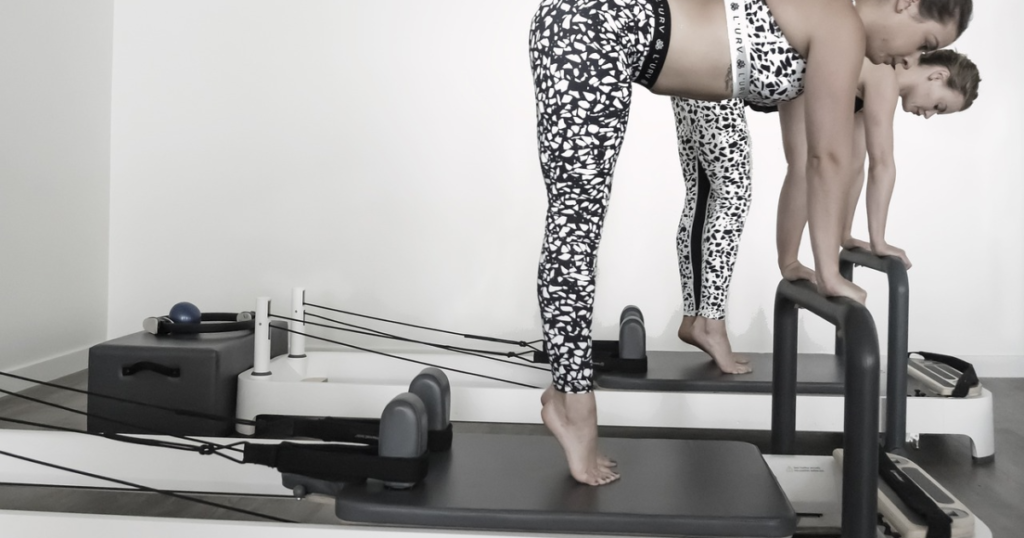
If you are searching for health and fitness programs near me, you may be comparing gyms, fitness centers, community recreation programs, wellness centers, personal training, or online and hybrid services.
Before choosing a program, consider the following factors.

1. Define Your Primary Goal
Start by identifying what you want from a program. Your priorities might include:
- General fitness and wellness
- Improving strength and mobility
- Building cardiovascular endurance
- Supporting an active lifestyle
- Learning safe exercise techniques
- Managing stress through physical activity
- Participating in recreational or sport-specific training
A program should match your needs, experience level, schedule, and personal preferences.
2. Check Credentials and Qualifications
Look for appropriately trained professionals. Fitness professionals may hold recognized certifications from organizations such as the National Academy of Sports Medicine (NASM), American Council on Exercise (ACE), or National Strength and Conditioning Association (NSCA).
For individualized nutrition advice, particularly when medical or dietary conditions are involved, a Registered Dietitian Nutritionist (RDN) may be an appropriate professional.
Credentials do not guarantee that a program is perfect, but they can help you evaluate whether the people providing instruction have relevant training.
3. Look for Individualized Assessment
A quality program should ask about your goals, experience, activity level, schedule, and relevant limitations before recommending a routine.
Programs that provide appropriate modifications and gradual progression can be more suitable than one-size-fits-all exercise plans.
4. Compare Costs
The cost of health and fitness programs varies considerably depending on location, facilities, services, and level of personal support.
| Program Type | Typical Cost Range* | Best For |
|---|---|---|
| Basic gym membership | $10–$40/month | Independent exercisers |
| Boutique fitness studio | $100–$250/month | People who prefer classes and community |
| Personal training | $150–$500+/month | People seeking individualized instruction |
| Community or YMCA program | $30–$80/month | Families and community-based fitness |
| Employer wellness program | Often subsidized | Eligible employees |
*These are general example ranges rather than guaranteed current prices. Actual costs vary by provider, location, membership type, and services included.
Before joining, check the current price, contract length, cancellation policy, enrollment fees, and exactly what services are included.
5. Read Reviews Carefully
Reviews can help you understand the experience of current and former members. Look for comments about:
- Trainer qualifications
- Cleanliness and facilities
- Customer service
- Class quality
- Scheduling
- Program flexibility
- Long-term member experience
A program that is convenient and enjoyable may be easier to maintain consistently.
Types of Health and Wellness Programs
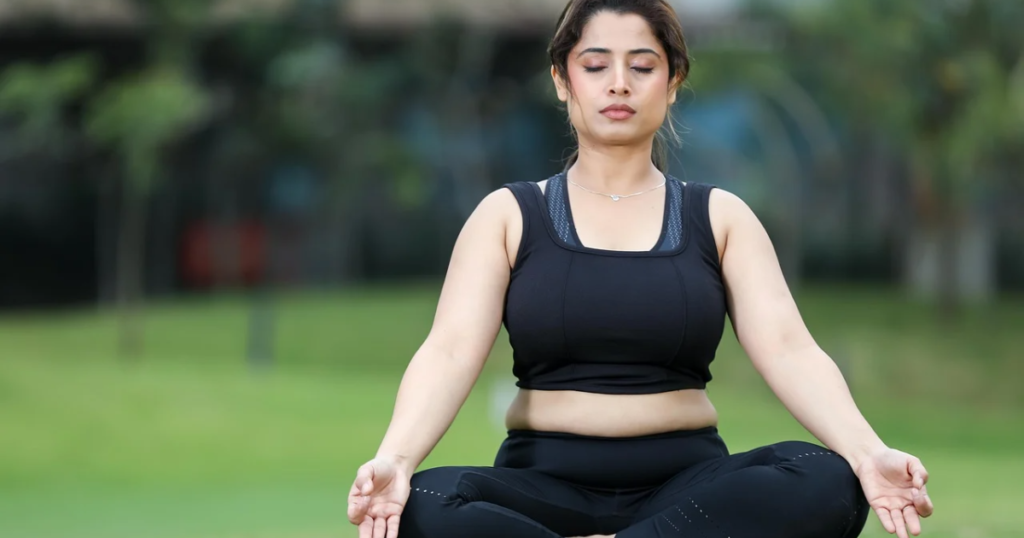
There are several types of health and wellness programs, and each can serve a different purpose.Different health and fitness programs can support different goals, from general fitness and wellness to structured exercise and lifestyle education.
Gym and Fitness Center Programs
Gyms generally provide access to resistance equipment, cardiovascular machines, free weights, and sometimes group exercise classes.
They can be suitable for people who prefer independent workouts and want flexible access to fitness equipment.
Personal Training Programs
Personal training provides individualized instruction from a fitness professional. A trainer may help with exercise technique, program structure, progression, and modifications based on a participant’s needs.
Community Wellness Programs
Community centers and organizations may offer affordable exercise classes, recreational activities, walking groups, health education, and family-oriented programs.
Workplace Wellness Programs
Some employers provide wellness resources such as educational sessions, fitness challenges, health screenings, or subsidized fitness memberships.
Online and Hybrid Fitness Programs
Online fitness programs can provide workout videos, educational materials, exercise tracking, and virtual coaching. Hybrid programs combine online resources with in-person classes or coaching.
Health, Nutrition, and Fitness Degree Options
If you are considering a career rather than a personal wellness program, there are several educational pathways related to health, nutrition, exercise, and wellness.
Nutrition and Dietetics
Students interested in becoming Registered Dietitian Nutritionists generally need to complete the required education and supervised practice pathway and meet current credentialing requirements.
Because education and licensure requirements can change, prospective students should check current requirements with the relevant professional and state authorities before enrolling.
Exercise Science and Kinesiology
Exercise science and kinesiology programs cover subjects such as human movement, exercise physiology, biomechanics, fitness assessment, and physical activity.
Graduates may pursue careers in fitness, wellness, sports, research, or additional education depending on their qualifications and career goals.
Health and Wellness Promotion
Health and wellness promotion programs can combine health education, behavior change, community health, and wellness program planning.
These programs may be relevant to careers in community health, workplace wellness, health education, and related areas.
Certificates and Professional Certifications
Certificate programs and professional certifications can provide education for certain fitness and wellness roles.
However, a fitness certification or nutrition coaching certificate is not automatically equivalent to a regulated healthcare credential. Students should check accreditation, scope of practice, and employer requirements before choosing a program.

Health and Fitness Study Tools and Classroom Resources
Students may search for health fitness and nutrition quizlet resources when studying terminology and concepts related to health, exercise, or nutrition.
Flashcards can be useful for reviewing definitions and key terms, especially when combined with textbooks, instructor materials, practice questions, and reliable educational resources.
Common study topics include:
- Macronutrients and micronutrients
- Basic anatomy
- Muscle groups
- Physical activity concepts
- The FITT principle
- Food-label terminology
- Exercise safety
- Recovery and wellness principles
Health Lessons for Grade 3: Fitness and Nutrition
Elementary health education can introduce children to simple and age-appropriate concepts related to nutrition, physical activity, hygiene, rest, and healthy habits.
A grade 3 health lesson may cover:
- Food groups and balanced meals
- The importance of daily movement
- Drinking water and staying hydrated
- Basic personal hygiene
- The role of sleep and rest
- Simple ideas about food and energy
Interactive activities, age-appropriate worksheets, demonstrations, and movement-based learning can make these topics easier for children to understand.
Building Your Own Health and Wellness Plan
You do not necessarily need an expensive program to begin developing healthier habits. A simple plan can focus on regular movement, balanced nutrition, recovery, and consistency.
Step 1: Understand Your Starting Point
Consider your current activity level, sleep routine, eating habits, energy levels, and daily schedule.
Instead of focusing only on a single measurement, look at your overall habits and identify one or two areas that you would like to improve.
Step 2: Build a Balanced Nutrition Foundation
A balanced eating pattern can include:
- Vegetables and fruits
- Whole grains
- Protein-rich foods
- Healthy sources of dietary fat
- Adequate fluids
Individual nutrition needs vary. People with medical conditions, allergies, or specific dietary requirements should seek advice from an appropriate healthcare professional.
Step 3: Include Regular Physical Activity
A well-rounded fitness routine can combine aerobic activity, muscle-strengthening exercises, flexibility work, and everyday movement.
Examples include:
- Walking
- Cycling
- Swimming
- Recreational sports
- Strength training
- Fitness classes
- Stretching and mobility exercises
If you are new to exercise, start at a manageable level and gradually increase activity according to your abilities.
Step 4: Prioritize Sleep and Recovery
Recovery is an important part of fitness. Consistent sleep, rest periods, and sensible progression can help support overall well-being.
Stress-management activities may include relaxation exercises, mindfulness, journaling, spending time with friends or family, and enjoyable hobbies.
Step 5: Review Your Progress
Review your routine periodically and consider changes in:
- Energy levels
- Sleep quality
- Physical fitness
- Strength and mobility
- Exercise consistency
- Overall well-being
Your routine can be adjusted as your goals, schedule, and needs change.

How to Compare Health and Fitness Programs
Comparing health and fitness programs can help you find an option that matches your goals, schedule, budget, and experience level.When comparing health and fitness programs, do not focus only on advertising claims or dramatic before-and-after results.
Consider these factors:
Credentials
Check whether trainers, coaches, and nutrition professionals have relevant education or recognized credentials.
Program Structure
Find out whether the program provides a clear schedule, appropriate progression, and modifications when necessary.
Cost and Transparency
Make sure you understand membership fees, contracts, cancellation policies, and additional charges before signing up.
Convenience
A program that fits your location, schedule, and lifestyle may be easier to maintain.
Safety and Support
Ask how the program handles beginners, exercise modifications, injuries, and participants with different fitness levels.
Evidence-Based Information
For nutrition and health claims, look for information supported by reputable medical, government, academic, or professional organizations.
Frequently Asked Questions
What is the difference between health, fitness, and nutrition?
Health is a broad concept that includes physical, mental, and social well-being. Fitness refers more specifically to physical abilities such as strength, endurance, balance, flexibility, and mobility. Nutrition involves the foods and nutrients consumed to support normal body functions and physical activity.
How do I find good health and fitness programs near me?
Start by deciding what type of program you need. Then compare local providers based on qualifications, services, cost, location, schedule, safety practices, and reviews.
What degree do I need to work in health, nutrition, and fitness?
The education required depends on the career. Nutrition and dietetics careers have specific education and credentialing requirements, while some fitness careers can be entered through professional certifications. Always check the current requirements for the specific career and state.
Are Quizlet sets useful for studying health and fitness?
Flashcards can be useful for learning terminology and reviewing concepts. They work best when combined with course materials, textbooks, instructor guidance, and reliable educational sources.
What should a grade 3 fitness and nutrition lesson cover?
Age-appropriate lessons can introduce food groups, balanced eating, daily movement, hydration, hygiene, sleep, and basic healthy habits through interactive activities.
How much do health and wellness programs cost?
Costs vary by provider and location. Basic gym memberships are generally less expensive than boutique classes or personal training. Community and employer-sponsored programs may also provide lower-cost or subsidized options.
How often should I review a health and fitness plan?
Review your plan periodically based on your goals, schedule, progress, and changing needs. The goal is to identify what is working and make reasonable adjustments rather than following a rigid schedule.
Conclusion
Choosing the right health and fitness programs does not have to be complicated. The best option is one that fits your goals, schedule, experience level, budget, and long-term lifestyle.
Whether you are searching for health and fitness programs near me, exploring nutrition and exercise education, studying health and fitness terminology, or simply trying to develop healthier habits, focus on reliable information and sustainable changes.
Health, fitness, nutrition, recovery, and preventive care all contribute to overall well-being. By choosing qualified guidance, using trustworthy resources, and building habits that fit your daily life, you can create a practical approach to health and wellness throughout 2026 and beyond.
Meta Description:
Discover health and fitness programs, wellness options, nutrition education, and fitness resources in this complete 2026 USA guide. Compare program types, costs, and key factors before choosing the right option.