Introduction
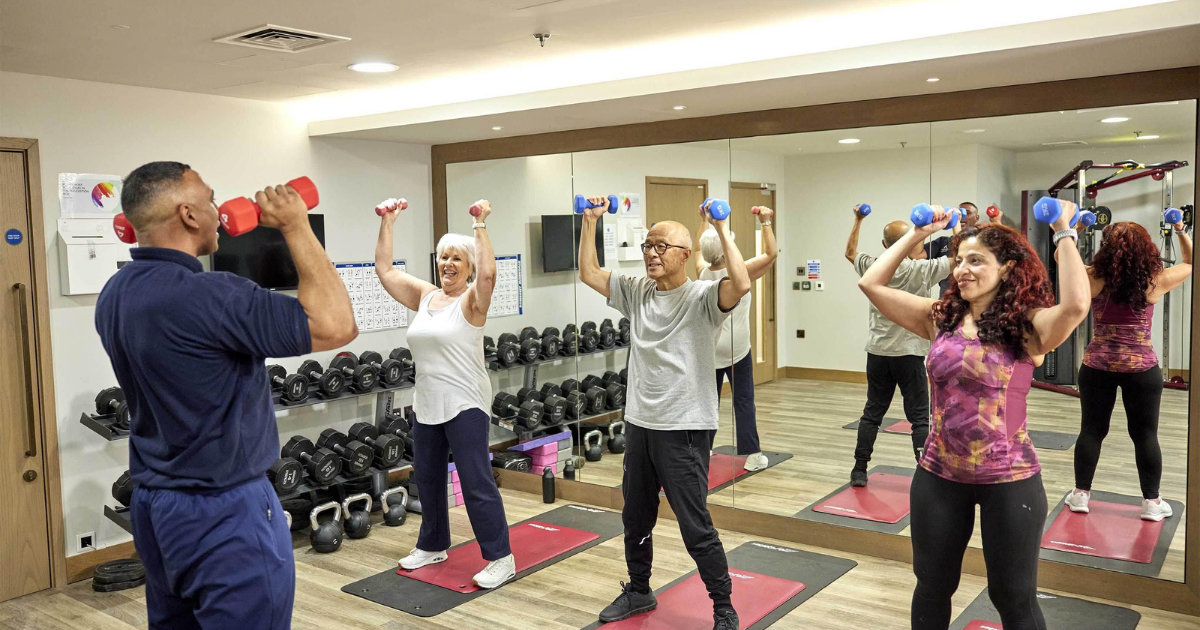
Finding the right senior fitness centers near me can make it easier for older adults to stay active, improve mobility, maintain strength, and enjoy a healthier lifestyle.
As people get older, regular physical activity becomes increasingly important for supporting balance, flexibility, heart health, and everyday independence. However, choosing a suitable fitness center involves more than finding a gym nearby.
Seniors need a comfortable environment, appropriate exercise programs, qualified instructors, and facilities that accommodate different fitness levels.
What Are Senior Fitness Centers?
Senior fitness centers are gyms, wellness facilities, or community recreation centers that provide exercise opportunities suitable for older adults. Some are designed specifically for seniors, while others offer age-friendly classes and supervised training programs.
These facilities recognize that people have different physical abilities, exercise histories, and health goals. A suitable program can help beginners start gradually while allowing experienced participants to maintain their fitness.
Common services may include:
- Low-impact group exercise classes
- Strength and resistance training
- Balance and coordination exercises
- Stretching and flexibility sessions
- Walking programs
- Water aerobics and aquatic exercise
- Personal training for older adults
- Social activities and group wellness programs
Not every facility provides all these services. Before joining, check the available programs, accessibility features, instructor qualifications, and membership requirements.
7 Benefits of Choosing Senior Fitness Centers Near Me

1. Improved Strength and Muscle Function
Maintaining muscle strength is important for everyday activities such as climbing stairs, carrying groceries, standing from a chair, and getting out of bed. Age-related muscle loss can make these tasks more difficult over time.
Senior fitness programs often include resistance bands, light weights, resistance machines, and bodyweight movements. These exercises can help older adults maintain strength when performed consistently and with appropriate technique.
Beginners should start with manageable resistance and gradually increase the challenge as their abilities improve. Instructors can help participants choose exercises that match their current fitness levels.
2. Better Balance and Coordination
Balance exercises can help older adults develop greater control during standing, walking, and turning. Some senior fitness centers offer dedicated balance classes that include supported standing exercises, controlled weight shifting, and supervised movement activities.
Examples of balance-focused activities include standing on one leg while holding a stable support, heel-to-toe walking, and carefully controlled sit-to-stand movements.
People with a history of falls or significant balance difficulties should seek professional guidance before beginning challenging exercises.
3. Support for Heart Health
Aerobic activity helps improve cardiovascular fitness and endurance. Older adults may enjoy walking groups, stationary cycling, low-impact aerobics, or water-based exercise, depending on their abilities and preferences.
A suitable fitness center can provide different activity options so members can begin at a comfortable pace. Over time, consistent exercise may make everyday activities feel easier.
Anyone with concerning symptoms during exercise, such as chest pain, faintness, or unusual shortness of breath, should stop and seek appropriate medical attention.
4. Greater Flexibility and Mobility
Flexibility and mobility exercises can help older adults move more comfortably during daily activities. Gentle stretching, controlled joint movements, and appropriate range-of-motion exercises may support movement and reduce stiffness.
Senior fitness classes often incorporate warm-ups and cool-downs to prepare the body for activity and encourage gradual movement.
Participants should avoid forcing a stretch or exercising through sharp pain. A qualified instructor can demonstrate modifications when a movement feels uncomfortable.
5. Opportunities for Social Connection
Exercise can provide opportunities to meet people with similar interests. Group classes, walking clubs, and community wellness programs can create a welcoming setting where participants encourage one another.
For older adults who want to become more socially active, a fitness center may offer more than exercise equipment. It can also provide a regular activity, a sense of routine, and opportunities to build friendships.
Choose a facility where staff members are welcoming and class participants are treated respectfully.
6. Support for Independence
Maintaining physical function can help older adults continue doing activities they enjoy. Strength, endurance, balance, and mobility all contribute to daily functioning.
A well-planned fitness program may include movements that resemble everyday tasks, such as standing from a chair, stepping in different directions, or carrying light objects safely.
Exercise cannot guarantee independence or prevent every age-related difficulty, but regular physical activity can support functional ability and overall well-being.
7. Structured and Supervised Exercise
Some older adults feel uncertain about using gym equipment or starting a new workout routine. A facility with experienced instructors can make the process easier.
Staff may demonstrate equipment, explain correct positioning, suggest appropriate modifications, and help participants progress gradually.
When comparing senior fitness centers near me, ask whether trainers have experience working with older adults and whether individualized instruction is available.
What to Look for in Senior Fitness Centers Near Me
When researching senior fitness centers near me, compare facilities based on safety, convenience, affordability, and available services. Some centers focus on older adults, while others offer specialized programs within a general gym. Before joining, ask about beginner-friendly classes, accessible equipment, and individualized exercise guidance. Choosing the right facility starts with understanding your priorities. A convenient location is helpful, but safety, accessibility, program quality, and comfort are also important.
Accessible Facilities
Look for features that make movement around the facility easier, such as accessible entrances, elevators where needed, clear walkways, suitable changing rooms, and accessible restrooms.
Seating areas and convenient parking may also improve the experience for members who need additional comfort.
If you use a mobility aid, contact the facility to confirm whether its equipment and class spaces meet your needs.
Table of Contents
Qualified Fitness Instructors
Experienced instructors can help older adults select suitable exercises and understand proper technique. Ask about trainers’ experience with senior fitness, relevant certifications, and ability to modify activities for different abilities.
If you have a medical condition or physical limitation, ask how the facility handles exercise modifications and whether it requires medical clearance for particular programs.
Senior-Friendly Exercise Classes
Look for classes that match your interests and abilities. Options may include gentle yoga, chair fitness, beginner strength training, water exercise, walking groups, and balance-focused sessions.
Ask whether beginners can attend a trial class and whether instructors provide alternative movements for participants who cannot comfortably perform every exercise.
Clean and Well-Maintained Equipment
Equipment should be maintained, stable, and suitable for its intended use. Machines with adjustable settings may help participants find comfortable positions.
The exercise area should have enough space to move safely, and staff should be available to answer equipment-related questions.
Convenient Location and Transportation
Searching for senior fitness centers near me can help identify facilities that are close to home. A convenient location may make it easier to attend classes consistently.
Consider travel time, parking, public transportation, walking access, and the availability of transportation assistance. A slightly smaller center that is easy to reach may be more practical than a large facility that requires a difficult journey.
Affordable Membership Options
Membership costs vary according to the facility, location, services, and class schedule. Ask about monthly memberships, pay-per-class options, senior discounts, community programs, and enrollment fees.
Do not assume that a facility is covered by Medicare or another insurance plan simply because it offers senior exercise classes. Confirm eligibility and benefits directly with the relevant provider.
Popular Exercise Programs for Older Adults
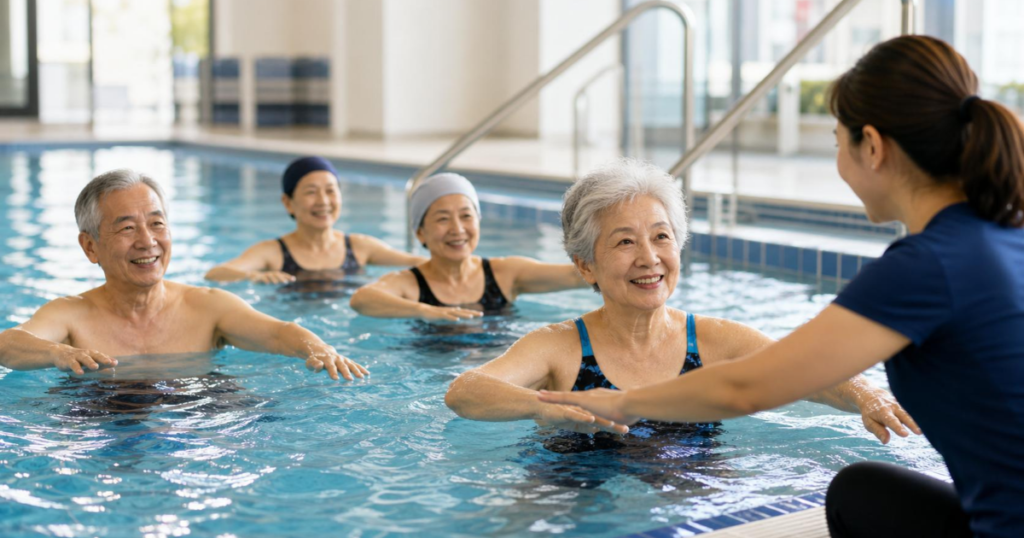
Many senior fitness centers near me may provide several exercise options, including low-impact aerobics, resistance training, stretching, and balance classes. Comparing these programs can help older adults find activities that match their interests and physical abilities. Always confirm the current class schedule and instructor availability directly with the facility. Different exercise programs offer different benefits. The best choice depends on personal goals, mobility, preferences, and any professional guidance you have received.
Strength Training
Strength training uses resistance to challenge muscles. Common options include resistance bands, light dumbbells, bodyweight exercises, and weight machines.
A trainer can demonstrate controlled movements and recommend suitable resistance. Rest between sessions allows the body time to recover.
Water Aerobics
Water-based exercise may be appealing to people who prefer low-impact movement. Water supports part of the body’s weight, which can make some activities more comfortable for the joints.
However, pool access, water depth, temperature, and entry arrangements vary. Check whether the pool has appropriate accessibility features and whether instructors are trained to supervise older participants.
Chair Exercise Classes
Chair-based exercise can help people who find standing workouts difficult. Depending on the class, activities may include seated marching, arm movements, gentle stretching, and light resistance exercises.
A chair should be stable and appropriate for the activity. Participants should choose exercises that match their abilities rather than assuming every chair class is suitable for every condition.
Yoga and Gentle Stretching
Gentle yoga and stretching classes may help participants practice flexibility, controlled movement, and body awareness.
Some classes include standing poses, so ask whether seated or supported modifications are available. Instructors should encourage participants to move within a comfortable range.
Walking Programs
Walking is an accessible form of physical activity for many older adults. Some fitness centers organize indoor walking sessions or group walks that allow participants to exercise in a social setting.
Check the walking surface, route length, seating availability, and whether the pace suits your ability.
Balance and Fall-Prevention Classes
These classes focus on improving balance, movement control, and lower-body function. Activities may involve supported standing, stepping, and carefully supervised coordination exercises.
People at increased risk of falling should seek individualized guidance and avoid unsupported exercises that could increase their risk of injury.
How to Choose the Best Senior Fitness Center
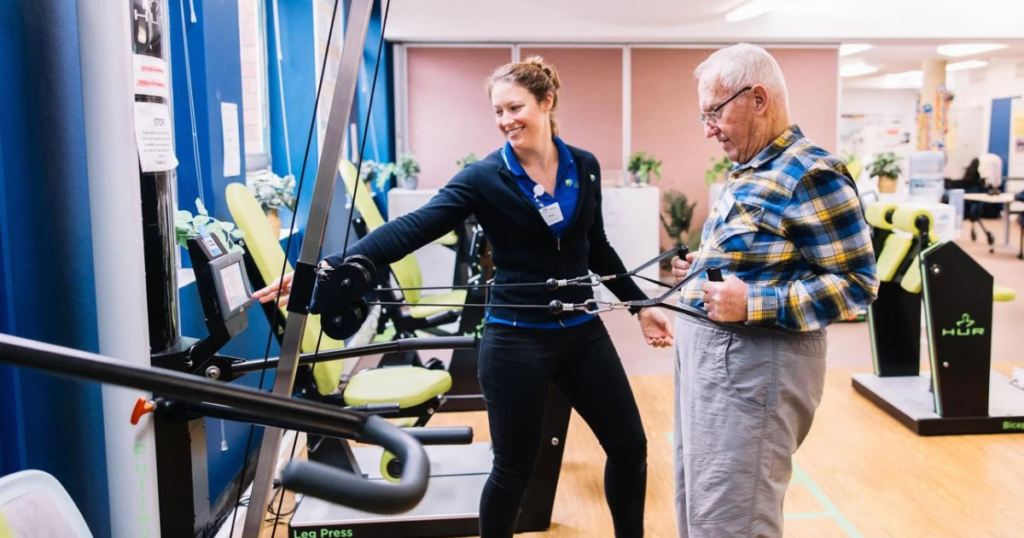
To choose between different senior fitness centers near me, consider the distance from your home, membership fees, class timings, and available support. Visiting two or three facilities can help you compare their environments and determine which center best suits your needs.
Step 1: Define Your Fitness Goals
Think about what you want to achieve. You may want to improve strength, walk more comfortably, maintain mobility, socialize, or return to exercise after a period of inactivity.
Clear goals make it easier to compare facilities and select programs that suit your needs.
Step 2: Research Nearby Options
Search for senior fitness centers near me, senior exercise classes, community recreation centers, and gyms offering older-adult programs.
Read recent reviews carefully, but remember that individual experiences may not reflect every member’s experience. Confirm important details directly with the facility.
Step 3: Visit the Facility
Arrange a tour or trial session when possible. Observe the cleanliness, accessibility, staff availability, equipment condition, and general atmosphere.
Ask how the facility supports members who are new to exercise or need additional assistance.
Step 4: Ask About Class Schedules
A good program should fit your routine. Check class times, session duration, instructor availability, and whether reservations are required.
If transportation is a concern, prioritize programs that are practical to attend regularly.
Step 5: Compare Total Costs
Ask for a complete breakdown of fees, including enrollment charges, equipment access, personal training, and optional classes.
Compare the services included in each membership rather than choosing solely on the lowest advertised price.
Step 6: Start at a Comfortable Level
Once you choose a facility, begin with manageable sessions. Increase the duration or intensity gradually as your fitness and confidence improve.
If you are new to exercise, have been inactive for a long time, or have health concerns, discuss an appropriate starting plan with a qualified healthcare professional.
Safety Tips for Seniors Starting a Fitness Program
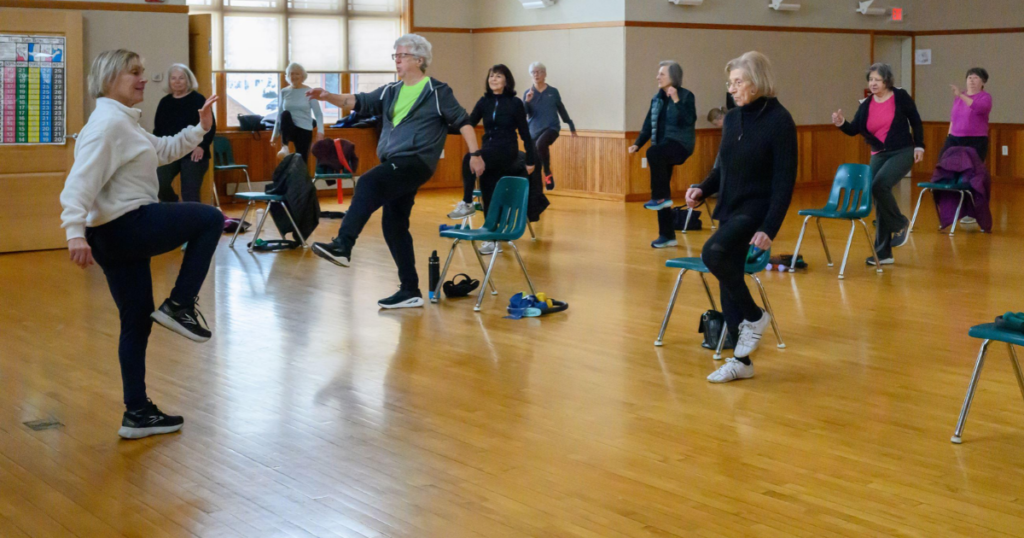
Exercise should be challenging enough to provide benefits without being unnecessarily difficult or unsafe.
Consider the following precautions:
- Warm up gradually before more demanding activities.
- Wear comfortable clothing and appropriate footwear.
- Drink water as needed.
- Use equipment according to the instructor’s directions.
- Choose manageable resistance and movement ranges.
- Allow recovery time between demanding workouts.
- Tell the instructor about relevant movement limitations.
- Stop if you experience unusual symptoms or significant pain.
Older adults with chronic health conditions, recent surgery, a history of falls, or concerns about exercise safety may benefit from professional advice before beginning a new routine.
Questions to Ask Before Joining a Senior Fitness Center
Before paying for membership, ask the facility a few practical questions:
- Do you offer classes specifically designed for older adults?
- Are instructors experienced in adapting exercises for different ability levels?
- Can beginners attend a trial class?
- Are accessible changing rooms, entrances, and exercise areas available?
- What is the full membership cost?
- Are personal training sessions available?
- What procedures are in place if a member needs assistance during exercise?
- Can classes be modified for people who have difficulty standing or walking?
The answers can help you decide whether the facility is a good fit.
Senior Fitness Centers Near Me: Gym vs. Community Center
A traditional gym and a community recreation center can both provide useful exercise opportunities, but their services may differ.
A traditional gym may offer a wider selection of resistance machines, cardiovascular equipment, and individual training sessions. Some gyms also have dedicated classes for older adults.
Community centers may focus more on group activities, accessible exercise programs, social connection, and affordable recreation. Their facilities and instructor availability vary by location.
Neither option is automatically better. The right choice is the one that offers suitable activities, qualified supervision, convenient access, and a welcoming environment within your budget.
Common Mistakes to Avoid When Choosing a Fitness Center
Choosing Only by Price
A low membership fee may seem attractive, but it is important to consider accessibility, class quality, equipment condition, and the support available to members.
Ignoring the Class Level
A class designed for experienced exercisers may not be appropriate for someone who is beginning an exercise routine. Ask about the intensity and available modifications before enrolling.
Overlooking Transportation
Even an excellent facility may be difficult to use if getting there is inconvenient. Consider the complete journey, including walking distance, parking, public transit, and travel time.
Starting Too Intensely
Trying to do too much at the beginning can lead to excessive soreness or discouragement. Build consistency first and increase the challenge gradually.
Failing to Check Membership Terms
Read cancellation policies, renewal conditions, and any additional charges before signing a contract.
Frequently Asked Questions
1. How can I find senior fitness centers near me?
Search for senior fitness centers near me, senior exercise classes, and older-adult fitness programs in your area. Compare location, accessibility, class schedules, instructor qualifications, and prices. Contact facilities directly to confirm their current services.
2. What is the best fitness center for seniors?
The best fitness center is one that matches your fitness level, interests, budget, and accessibility needs. Look for qualified instructors, suitable equipment, age-friendly classes, and a comfortable environment.
3. Are there free fitness programs for seniors?
Some community recreation centers, nonprofit organizations, and local programs offer free or reduced-cost activities. Availability depends on the area and program requirements, so confirm costs and eligibility before attending.
4. What exercises are best for older adults?
Many older adults benefit from a combination of aerobic activity, strength training, balance exercises, and flexibility work. The appropriate mix depends on individual abilities, preferences, and health considerations.
5. Do seniors need a personal trainer?
Not everyone needs a personal trainer, but individualized instruction can be useful for people who are new to exercise, unsure how to use equipment, or seeking help adapting movements. Look for a qualified trainer with experience working with older adults.
Conclusion
Before choosing among senior fitness centers near me, compare the available programs, visit your preferred locations, and select a facility that supports your long-term fitness goals. Finding the right senior fitness centers near me can be an important step toward maintaining strength, mobility, balance, and an active lifestyle. The most suitable facility will offer appropriate exercise options, experienced instructors, accessible facilities, convenient transportation, and membership costs that fit your budget.
Take time to compare nearby gyms and community centers, visit facilities when possible, and ask questions before joining. Start with activities that match your abilities and increase the challenge gradually.
With a comfortable environment and a realistic exercise routine, older adults can work toward their personal fitness goals while enjoying the social and practical benefits of regular physical activity. The key is to choose a program that feels safe, manageable, and sustainable over time.