Introduction
If you are searching for the choose myplate website, you may want reliable nutrition information, healthy meal ideas, food group recommendations, or practical guidance for planning everyday meals. The original ChooseMyPlate.gov website has transitioned to MyPlate.gov, the official nutrition education website of the United States Department of Agriculture (USDA).
The choose myplate website is a useful starting point for people who want to understand balanced eating, explore different food groups, and develop healthier food habits. Students, parents, teachers, busy professionals, and families can use MyPlate educational resources to learn about nutrition and make informed decisions about everyday meals.
Healthy eating does not have to involve expensive products, complicated diets, or strict rules. Learning about food variety, meal planning, portion awareness, and affordable ingredients can help you build an eating routine that fits your lifestyle.
In this guide, you will learn what the choose myplate website offers, how to explore its nutrition resources, how the five food groups work, and how to apply general healthy eating principles at home. You will also discover practical meal-planning ideas, budget-friendly tips, and answers to frequently asked questions.
What Is the Choose MyPlate Website?
The choose myplate website refers to the earlier online home of the USDA’s MyPlate nutrition education initiative. Its website address changed from ChooseMyPlate.gov to MyPlate.gov, so people searching for the former name should look for the current MyPlate website.
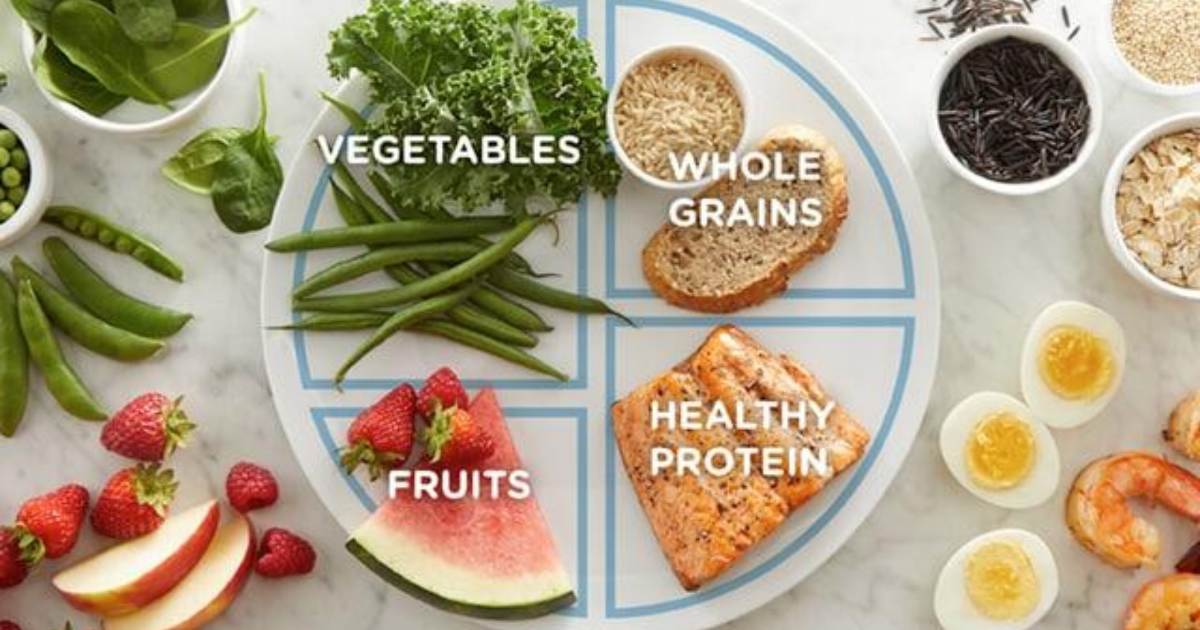
MyPlate uses a familiar plate illustration to explain how different food groups can contribute to a balanced eating pattern. The visual guide makes basic nutrition concepts easier to understand without requiring readers to study complicated nutritional information.
The five food groups traditionally represented in the MyPlate graphic are fruits, vegetables, grains, protein foods, and dairy. The educational materials explain these groups and provide examples of foods that can fit into everyday meals.
The choose myplate website also offers resources related to meal planning, grocery shopping, food choices, healthy eating habits, and different stages of life. Some materials are designed for families, children, educators, and adults who want to learn more about nutrition.
It is important to understand that MyPlate is a general educational guide. It does not mean every meal must look exactly like the illustration. Individual food needs can differ according to age, activity level, health conditions, cultural preferences, and personal circumstances.
7 Helpful Ways to Use the Choose MyPlate Website
1. Explore the Five MyPlate Food Groups
One of the easiest ways to begin using the choose myplate website is to learn about its five main food groups. Each group includes different foods and contributes different nutrients to an overall eating pattern.
Fruits: This group includes foods such as apples, oranges, bananas, berries, and other whole fruits. Fruit can be included at breakfast, added to a snack, or served alongside a meal.
Vegetables: Vegetables include options such as carrots, spinach, broccoli, peppers, tomatoes, and many other varieties. Eating different types and colors can help provide a wider range of nutrients.
Grains: This group includes foods such as oats, rice, bread, pasta, and other grain products. Whole grains, including oatmeal and whole-wheat bread, can provide fiber and other nutrients.
Protein foods: Examples include beans, lentils, eggs, seafood, poultry, nuts, seeds, and soy products. These foods provide protein and other nutrients that support normal body functions.
Dairy and suitable alternatives: Milk, yogurt, and certain fortified alternatives can contribute nutrients such as calcium. The appropriate choice depends on individual needs and dietary preferences.
Learning about these groups can help you recognize opportunities to add variety to meals. Instead of eating the same limited selection of foods every day, you can explore different ingredients and combinations.
2. Learn How to Build a Balanced Plate

The choose myplate website uses a visual approach to help people think about food variety and meal balance. Rather than concentrating on one food or nutrient, the MyPlate concept encourages consideration of several food groups.
For example, a lunch might include grilled chicken or beans, brown rice, cooked vegetables, and a piece of fruit. A vegetarian meal might include lentils, whole-grain bread, vegetables, and yogurt or a suitable fortified alternative.
You can apply this concept by asking yourself a few simple questions before serving a meal:
- Have I included a variety of foods?
- Could I add fruit or vegetables to improve variety?
- Does the meal include a suitable protein source?
- Have I considered grains or another staple food that fits my needs?
- Does the meal suit my appetite, preferences, and daily routine?
These questions are intended to guide food choices rather than create strict rules. You do not have to make every meal perfect or include every food group on every plate.
For many people, a practical approach is to make small changes gradually. You might add vegetables to a familiar dish, include fruit with breakfast, or try beans as an alternative protein source. Over time, these adjustments can make a varied eating pattern easier to maintain.
3. Find Nutrition Information About Different Foods
The choose myplate website can help readers understand the foods that belong to each group and how different choices fit into a healthy eating pattern.
For example, vegetables can be fresh, frozen, canned, dried, raw, or cooked. Different vegetables offer different nutrients, so including a range of options can help add variety to meals.
Protein foods also include more than meat. Beans, peas, lentils, eggs, seafood, nuts, seeds, and soy products can all contribute protein. This variety can be especially useful for people who prefer plant-based meals or want to try different ingredients.
Grain choices include oats, rice, bread, pasta, and other grain products. Whole-grain options can provide dietary fiber, although the best choices depend on individual preferences and nutritional needs.
When exploring nutrition information, consider practical questions. Which foods are available locally? Which ingredients fit your budget? How can you add variety to meals your household already enjoys?
The goal is not to memorize every nutrition fact. Instead, use educational information to make more informed everyday decisions.
4. Use MyPlate Resources for Meal Planning
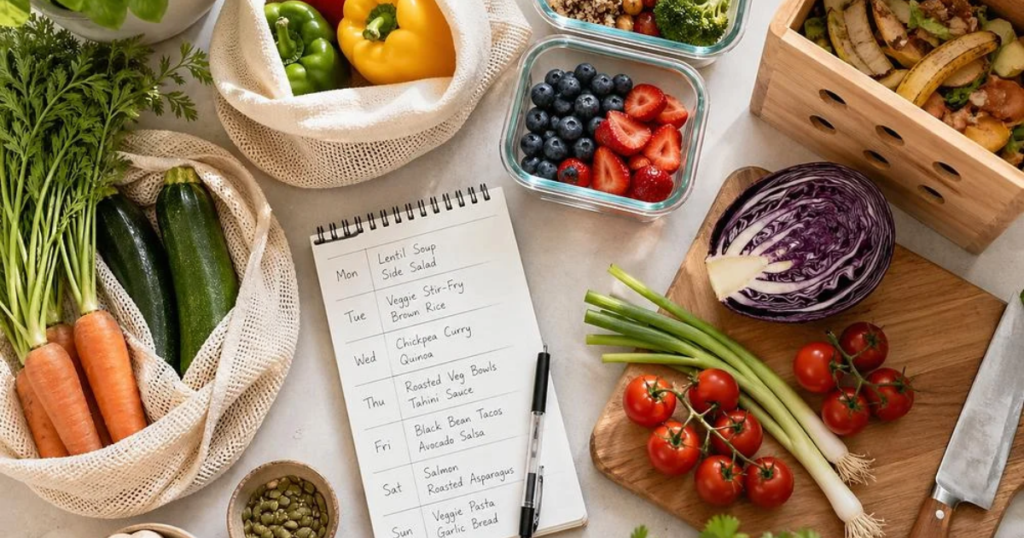
Meal planning can help you organize your week, reduce unnecessary grocery purchases, and make preparing meals less stressful. The choose myplate website provides educational resources that can help people think about meal schedules, shopping lists, and ingredients.
Start by checking the foods you already have in your refrigerator, freezer, and pantry. Write down ingredients that should be used soon, then consider meals you can prepare with them.
Next, plan a few breakfasts, lunches, and dinners. For example, breakfast might include oatmeal and fruit, lunch could feature a chicken or bean bowl, and dinner might combine rice, vegetables, and a suitable protein source.
Write a shopping list based on the meals you intend to prepare. Organize it into categories such as fruits, vegetables, grains, protein foods, and dairy or alternatives. This makes shopping more organized and can help you avoid buying ingredients you do not need.
You can also prepare some ingredients ahead of time. Washing vegetables, cooking beans, preparing rice, or portioning ingredients may make it easier to assemble meals on busy days.
Meal planning should remain flexible. If your schedule changes, use ingredients in a different recipe rather than treating your original plan as a strict requirement.
5. Discover Budget-Friendly Healthy Eating Ideas
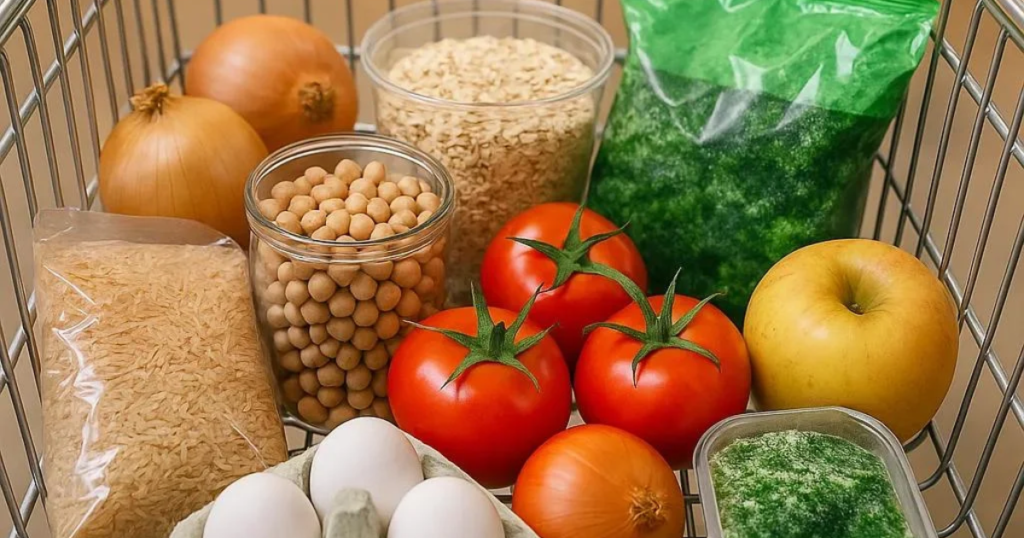
Healthy eating does not always require expensive ingredients or specialty products. The choose myplate website includes educational ideas related to food shopping, meal planning, and making nutritious choices within a budget.
One helpful strategy is to compare the prices of different foods before shopping. Seasonal produce, oats, rice, beans, lentils, eggs, and frozen vegetables may be practical options, depending on local prices and personal dietary needs.
Frozen fruits and vegetables can be convenient because they are easy to store and use when needed. Canned vegetables and beans may also be useful. When comparing packaged foods, check the nutrition label if you need to monitor sodium, added sugars, or other nutrients.
Another way to save money is to plan meals around ingredients that can be used in several dishes. For example, cooked beans might be added to soup one day and served with rice or vegetables another day.
Before visiting a grocery store, make a list and decide how much you can reasonably spend. Compare package sizes and unit prices where available, and avoid purchasing large quantities of perishable foods unless you expect to use them.
Reducing food waste can also help your budget. Store foods appropriately, freeze suitable ingredients, and use leftovers safely.
The most useful meal plan is one that fits your finances, cooking skills, available time, and food preferences. You do not need expensive products to begin making practical improvements to your eating habits.
6. Find Resources for Children, Adults, and Families
Nutrition needs and food preferences change throughout life. The choose myplate website includes educational resources for different audiences, including children, teenagers, adults, older adults, families, and people experiencing particular life stages.
Parents can use age-appropriate educational materials to introduce children to food groups and encourage them to explore a variety of foods. Teachers may use nutrition materials to support classroom activities, while adults can explore meal-planning and grocery-shopping guidance.
Older adults may need to consider changes in appetite, activity, or nutritional needs. People who are pregnant or breastfeeding may also have specific nutrition requirements that deserve attention.
The MyPlate approach can help families discuss food variety in a simple and approachable way. For example, children can help wash vegetables, choose fruit for a snack, or select ingredients for a family meal.
Keep food conversations positive and practical. Avoid making children feel guilty about particular foods, and focus on learning, variety, and enjoyable family meals.
General educational resources cannot address every medical situation. People with food allergies, diabetes, kidney disease, digestive conditions, or other health concerns may need individualized advice from a qualified healthcare professional or registered dietitian.
7. Explore Printable Nutrition Materials and Recipe Ideas
Some people prefer visual guides, worksheets, posters, and simple activities instead of reading long explanations. The choose myplate website provides educational materials that can help people learn about food groups and healthy eating.
Printable materials may be useful at home, in classrooms, or during family nutrition activities. Depending on current availability, resources may include food-group illustrations, tip sheets, activity pages, and other educational content.
Before using a resource, check its title, intended audience, and publication details. A guide designed for children may not provide the same level of detail as a resource intended for adults.
Recipe ideas can also help you put general nutrition guidance into practice. Consider recipes that use familiar ingredients, fit your budget, and require a reasonable amount of preparation time.
For example, you might try lentil soup, a vegetable and rice bowl, oatmeal with fruit, or a meal that combines beans with vegetables and whole grains. Adapt ingredients and seasonings to suit your culture, preferences, and dietary needs.
Try one new recipe at a time instead of changing your entire routine at once. This makes it easier to discover which meals your household enjoys and which options are realistic to prepare regularly.
MyPlate Food Groups: A Quick Comparison Table
Table of Contents
The following table summarizes the five food groups traditionally represented in the MyPlate graphic. It provides examples for general educational purposes rather than personalized serving recommendations.
| Food group | Examples | Practical meal idea |
|---|---|---|
| Fruits | Apples, berries, oranges, bananas | Add fruit to breakfast or enjoy it as a snack |
| Vegetables | Carrots, spinach, broccoli, peppers | Include vegetables with lunch or dinner |
| Grains | Oats, rice, bread, whole-grain pasta | Choose a grain that suits your meal |
| Protein foods | Beans, lentils, eggs, fish, nuts, tofu | Include an appropriate protein source |
| Dairy or fortified alternatives | Milk, yogurt, fortified alternatives | Select a suitable option for your needs |
The amount of food needed from each group differs among individuals. Use general nutrition information as a starting point and seek professional guidance when you need advice tailored to a medical condition or specific nutritional requirement.
How to Navigate the Choose MyPlate Website Step by Step
If you are unfamiliar with the choose myplate website, follow these steps to find the information you need.
Step 1: Find the current website.
The former ChooseMyPlate.gov address has transitioned to MyPlate.gov. Search for the current MyPlate website when looking for official nutrition education resources.
Step 2: Identify your main goal.
Decide whether you want information about food groups, healthy meals, grocery shopping, budget-friendly eating, or resources for children and families.
Step 3: Explore the relevant topic.
Read the educational materials related to your goal. Take notes on ideas that are practical for your schedule and household.
Step 4: Save useful information.
Keep a record of recipes, shopping ideas, or meal-planning tips that you may want to use later.
Step 5: Apply one small change.
Choose a manageable action, such as planning three dinners before shopping or adding a vegetable to a familiar meal.
Step 6: Review your routine.
After trying the change, consider whether it was affordable, enjoyable, and easy to maintain. Adjust your approach if necessary.
Using the website in this organized way can make nutrition education more practical. You do not need to read every resource before making a useful change.
Benefits of Using the Choose MyPlate Website
The choose myplate website can be helpful for several reasons.
Easy-to-Understand Nutrition Education
The MyPlate illustration presents food groups in a visual format that can make basic nutrition concepts easier to understand. This can be useful for people who are new to meal planning or want a simple overview of balanced eating.
Practical Meal-Planning Ideas
Meal-planning resources can help users organize groceries, prepare ingredients, and think ahead about meals. Planning may also reduce last-minute food decisions during busy days.
Educational Materials for Different Audiences
Resources for children, adults, families, and educators can help people find information that is relevant to their circumstances. Families may use simple guides to discuss food variety, while adults may focus on shopping or meal preparation.
Budget-Conscious Food Choices
Shopping and meal-planning ideas can encourage people to compare prices, use available ingredients, and reduce waste. These strategies may make everyday food choices more manageable.
Support for Sustainable Habits
The website emphasizes general nutrition education rather than requiring one specific meal plan for everyone. Readers can use the information to explore small changes that suit their preferences and routines.
These benefits depend on how the resources are applied. Reading nutrition information alone does not guarantee improved health, but using reliable educational material thoughtfully can support more informed food choices.
Limitations to Understand Before Using MyPlate
Although the choose myplate website is a useful educational resource, it does not replace personalized nutrition care.
First, a general food-group guide cannot account for every medical condition, food allergy, cultural preference, or dietary requirement. A person with a medical condition may need a nutrition plan designed with a qualified healthcare professional.
Second, healthy eating does not require every meal to match the MyPlate illustration exactly. Different cultures and households prepare meals in different ways, and many combinations of foods can contribute to an appropriate eating pattern.
Third, website content and educational resources may change over time. If you have saved an older guide, review its publication details and confirm that it remains relevant.
Finally, avoid using a general nutrition website as the only source for significant medical decisions. If you need to change your diet because of a health condition, medication, allergy, or other medical concern, seek qualified advice.
Practical Tips for Applying MyPlate Guidance Every Day
You do not need to transform your eating habits overnight. Start with small steps that fit your daily life.
- Add a fruit or vegetable to a meal when practical.
- Explore different protein foods, including beans, lentils, eggs, fish, or suitable plant-based alternatives.
- Compare food labels when monitoring sodium, added sugars, or other nutrients.
- Plan several meals before going grocery shopping.
- Keep convenient ingredients available for busy days.
- Drink water regularly and choose beverages that fit your needs.
- Adapt recipes to your budget, culture, and preferences.
- Use leftovers safely to reduce food waste.
- Ask a qualified professional for help with specific medical or nutritional concerns.
Choose changes that feel realistic rather than following a plan that is difficult to maintain. You may find it easier to build a long-term routine by introducing one improvement at a time.
Frequently Asked Questions About the Choose MyPlate Website
1. What is the choose myplate website?
The choose myplate website refers to the former USDA MyPlate nutrition education website. The current website is MyPlate.gov, where people can find educational information about food groups, healthy eating, meal planning, and nutrition resources.
2. Is ChooseMyPlate.gov still the current website?
ChooseMyPlate.gov was the former website address. It transitioned to MyPlate.gov, so people looking for current MyPlate nutrition education materials should search for the new website name.
3. What are the five food groups in MyPlate?
The five groups traditionally represented in MyPlate are fruits, vegetables, grains, protein foods, and dairy. Suitable fortified alternatives may also be appropriate for some people, depending on their nutritional needs.
4. Can the choose myplate website help me plan healthy meals?
Yes. Its educational approach can help you think about food variety, meal planning, grocery shopping, and different food groups. You should adapt general guidance to your budget, preferences, and individual needs.
5. Is the choose myplate website useful for children and families?
Yes. MyPlate educational resources can help families and educators introduce food groups and healthy eating concepts. Choose age-appropriate materials and consult a qualified professional if a child has medical or specific dietary requirements.
Conclusion
The choose myplate website is a useful search term for people looking for the USDA’s MyPlate nutrition education resources. Although the former website name has changed, MyPlate continues to provide an educational approach to understanding food groups, planning meals, exploring budget-friendly choices, and developing healthier eating habits.
You can make practical use of these ideas by planning groceries, including a wider variety of foods, exploring new recipes, and finding meals that suit your household. Start with one manageable change and build on it as your routine develops.
Remember that MyPlate provides general nutrition education rather than personalized medical advice. Individual needs can vary, so consult a qualified professional when you require guidance for a specific health condition or dietary requirement. With a realistic approach, the choose myplate website can be a helpful starting point for learning about nutrition and making informed everyday food choices.