
Introduction
National Nutrition Month is an annual nutrition education campaign that encourages people to make informed food choices, develop healthy eating habits, and understand the importance of balanced nutrition. Celebrated every March in the United States, this campaign highlights how nutritious foods, regular physical activity, hydration, and mindful eating can support overall health and well-being.
Many people want to improve their diets but are unsure where to begin. Busy schedules, confusing nutrition advice, limited budgets, and easy access to highly processed foods can make healthy eating challenging. National Nutrition Month provides an opportunity to learn practical ways to make healthier choices without following restrictive diets or completely changing your lifestyle.
Whether you are a parent, student, working professional, older adult, or fitness enthusiast, small improvements in daily eating habits can make a meaningful difference. Choosing more fruits and vegetables, including protein-rich foods, drinking enough water, and planning balanced meals are practical steps that many people can take.
In this guide, you will learn what National Nutrition Month is, why it matters, how to celebrate it, and which healthy eating habits you can practice throughout the year.
What Is National Nutrition Month?
National Nutrition Month is a nutrition education campaign organized by the Academy of Nutrition and Dietetics in the United States. It takes place every March and promotes the importance of making informed food choices and developing healthy eating and physical activity habits.
The campaign helps individuals understand that nutrition involves more than counting calories or avoiding certain foods. A healthy eating pattern includes a variety of foods that provide essential nutrients, supports individual needs, and can be maintained over time.
During National Nutrition Month, schools, healthcare organizations, community groups, dietitians, and families may share educational resources and organize activities that encourage healthier lifestyles.
The campaign also provides an opportunity to discuss food access, meal planning, nutrition misinformation, and the role of qualified nutrition professionals.
Although National Nutrition Month receives special attention in March, its principles can be practiced throughout the year.
Why Is National Nutrition Month Important?
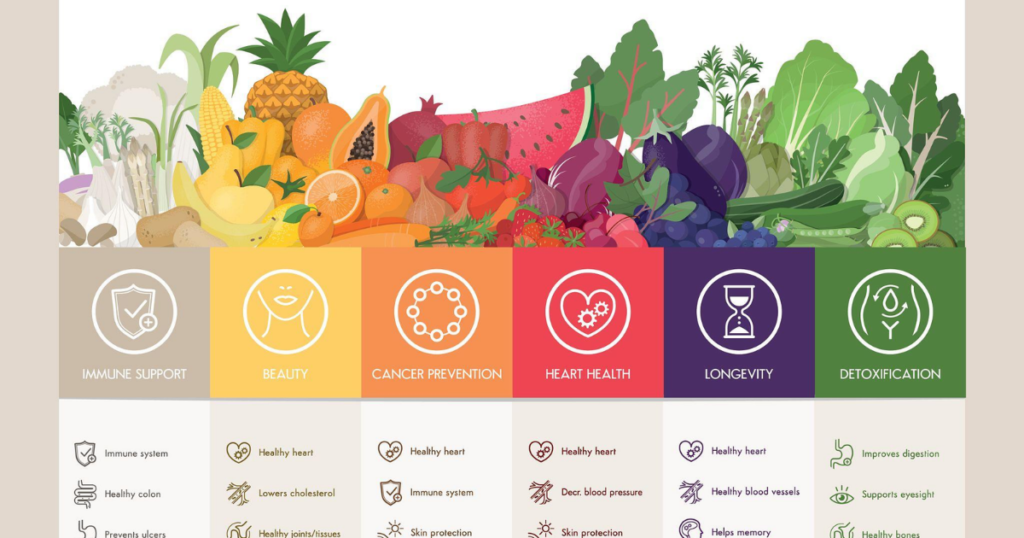
National Nutrition Month helps raise awareness about the connection between food choices, physical activity, and overall well-being. Understanding nutrition can help people make decisions that support their individual health needs.
1. It Encourages Balanced Eating
A balanced eating pattern includes different food groups rather than relying on a single type of food. Fruits, vegetables, whole grains, protein foods, and appropriate sources of healthy fats can contribute important nutrients.
For example, a meal containing brown rice, vegetables, beans, and grilled chicken provides a combination of carbohydrates, protein, fiber, vitamins, and minerals.
The ideal combination depends on individual preferences, nutritional requirements, culture, and budget.
2. It Builds Nutrition Awareness
Food labels and nutrition claims can sometimes be confusing. National Nutrition Month encourages people to learn how to evaluate nutrition information and distinguish evidence-based guidance from unsupported claims.
Reading ingredient lists, comparing added sugar content, and understanding serving sizes are useful skills.
These habits can help shoppers make informed choices without assuming that expensive or heavily marketed products are automatically healthier.
3. It Supports Healthy Lifestyle Habits
Nutrition works alongside physical activity, sleep, and other lifestyle factors. Eating a variety of nutritious foods can help support energy needs, muscle function, digestion, and normal body processes.
National Nutrition Month encourages people to develop realistic habits instead of expecting immediate results from short-term diets.
4. It Promotes Family Nutrition Education
Families can use this campaign to teach children about food variety, meal preparation, and the importance of eating a range of nutritious foods.
Simple activities such as washing vegetables, preparing fruit salads, or planning a balanced lunch can make nutrition education more engaging.
Children benefit from positive, age-appropriate conversations about food rather than pressure to follow restrictive eating rules.
5. It Encourages Informed Nutrition Decisions
Nutrition needs differ according to age, activity level, health conditions, and other individual factors. National Nutrition Month provides an opportunity to learn when general nutrition information is useful and when personalized advice from a qualified professional may be needed.
7 Powerful Ways to Celebrate National Nutrition Month

You do not need an expensive program or complicated diet to participate. These seven activities can help individuals, families, schools, and workplaces celebrate National Nutrition Month.
Table of Contents
1. Add More Fruits and Vegetables to Daily Meals
One simple way to celebrate National Nutrition Month is to include a wider variety of fruits and vegetables in your meals.
Fruits and vegetables provide vitamins, minerals, fiber, and other beneficial plant compounds. Eating different colors and types can help increase dietary variety.
Try these practical ideas:
- Add berries or bananas to breakfast.
- Include leafy greens in sandwiches and wraps.
- Keep washed fruit available for convenient snacks.
- Add vegetables to soups, pasta dishes, and rice meals.
- Choose seasonal produce when it is affordable.
Fresh, frozen, and canned options can all contribute to a nutritious diet. When choosing canned vegetables or fruit, compare labels for added salt or sugar when appropriate.
The goal is not to make every meal perfect. Instead, gradually increase the variety of nutritious foods you enjoy.
2. Learn How to Build a Balanced Plate
A balanced plate is a useful visual guide for planning meals.
A common approach is to fill approximately half the plate with fruits and vegetables, one-quarter with protein foods, and one-quarter with grains, preferably whole grains when suitable.
This is a general guide rather than a strict rule. Individual energy requirements, cultural eating patterns, and medical needs may call for different portions.
For example, a balanced lunch could include:
- Grilled chicken, beans, tofu, or lentils as a protein source.
- Brown rice, whole-grain bread, or another grain.
- A generous serving of vegetables.
- Fruit or yogurt, depending on your preferences.
During National Nutrition Month, try planning several meals using this approach. You may discover that balanced meals can be simple, affordable, and satisfying.
3. Drink Water Regularly
Hydration is another important part of healthy living. Water supports normal body functions, including temperature regulation, circulation, and digestion.
Fluid needs vary depending on activity, climate, age, and individual health circumstances. People who exercise regularly or spend time in hot weather may need additional fluids.
To make hydration easier:
- Carry a reusable water bottle.
- Drink water with meals.
- Keep water accessible during work or study.
- Drink fluids regularly during exercise.
- Include water-rich foods such as melon and cucumber.
Water is a practical everyday choice, while sugary drinks can contribute substantial added sugar when consumed frequently.
National Nutrition Month is a useful opportunity to review your beverage habits and find simple ways to stay hydrated.
4. Plan Healthy Meals on a Budget

Healthy eating does not have to be expensive. With basic planning, many people can prepare nutritious meals using affordable ingredients.
Beans, lentils, eggs, oats, frozen vegetables, seasonal fruit, and whole grains can provide valuable nutrients at relatively low cost.
Here are a few budget-friendly strategies:
Create a weekly meal plan. Decide which meals you want to prepare before shopping.
Make a grocery list. Focus on ingredients that can be used in several dishes.
Use versatile ingredients. Beans can be added to soups, salads, rice dishes, and wraps.
Prepare meals in batches. Cooking larger portions can save time on busy days.
Reduce unnecessary food waste. Store food properly and plan meals around ingredients you already have.
For example, a pot of lentil soup can provide several meals, while oats can be used for breakfast, overnight oats, or homemade snacks.
During National Nutrition Month, try planning a few balanced meals within a set grocery budget.
5. Read Food Labels More Carefully
Food labels provide information that can help you compare products and understand what you are eating.
When reading a label, consider the serving size, calories, protein, dietary fiber, sodium, added sugars, and ingredient list.
The most relevant information depends on the product and your individual needs.
For example, if you are comparing breakfast cereals, you might look at fiber content, added sugar, and serving size. When comparing canned soups, sodium content may be especially useful.
Remember that no single number determines whether a food is healthy. The overall diet matters more than one isolated product or nutrient.
National Nutrition Month is a good time to practice reading labels during grocery shopping. Over time, this skill can help you make more informed decisions.
6. Make Physical Activity Part of Your Routine
Nutrition and physical activity complement each other. Regular movement can support cardiovascular health, muscular strength, mobility, and general well-being.
You do not need to start with intense workouts. Walking, cycling, dancing, swimming, gardening, and strength exercises are all possible ways to become more active.
Consider these simple habits:
- Take a walk during a break.
- Use the stairs when appropriate.
- Schedule enjoyable activities with family or friends.
- Include strength exercises suited to your ability.
- Break up long periods of sitting with movement.
Choose activities that fit your fitness level and schedule. If you are new to exercise or have medical concerns, seek appropriate professional guidance before beginning a demanding routine.
National Nutrition Month is about overall lifestyle habits, not just the food on your plate.
7. Learn from Qualified Nutrition Professionals
Nutrition advice on social media can be contradictory. Some posts promote extreme diets, unnecessary supplements, or unrealistic promises about rapid weight loss.
A qualified registered dietitian nutritionist can provide evidence-based information and, when appropriate, personalized nutrition guidance.
Consider seeking professional advice if you need support with a medical condition, food allergies, nutritional deficiencies, sports nutrition, or major dietary changes.
When evaluating nutrition information online, look for credible sources, transparent evidence, and realistic recommendations.
Avoid assuming that one diet works for everyone. A sustainable eating pattern should consider your health needs, preferences, cultural traditions, and access to food.
National Nutrition Month Activities for Schools and Families

Schools and families can make nutrition education engaging through practical activities. Children often learn more effectively when they can explore foods, participate in preparation, and ask questions.
Healthy Food Color Challenge
Invite children to identify fruits and vegetables of different colors throughout the week.
They might discover red tomatoes, orange carrots, green spinach, purple cabbage, and yellow peppers. Explain that different plant foods contain different combinations of nutrients.
The purpose is to encourage variety, not to suggest that any single color guarantees a particular health benefit.
Create a Balanced Plate Poster
Students can draw a plate and divide it into sections for vegetables and fruits, protein foods, and grains.
Ask them to include foods they enjoy and discuss how different foods contribute to a varied eating pattern.
This activity can be adapted for different ages and cultural food preferences.
Plan a Healthy Lunchbox
Families can work together to prepare lunchboxes that include a protein source, grains, fruit or vegetables, and a drink.
Examples might include a whole-grain sandwich, fruit, cut vegetables, and water, or beans and rice with vegetables.
Consider food safety, school policies, allergies, and the child’s preferences when planning meals.
Organize a Nutrition Quiz
Teachers can prepare questions about food groups, hydration, food labels, and everyday healthy habits.
For example:
- Which foods can provide dietary fiber?
- Why is drinking water important?
- What information appears on a Nutrition Facts label?
- Why is eating a variety of foods useful?
Keep the questions educational and avoid labeling foods or students as good or bad.
Start a Family Cooking Day
Choose a simple recipe and invite family members to help wash produce, measure ingredients, or prepare a meal.
Cooking together can build practical skills and introduce children to different foods. Adults should supervise age-appropriate tasks, particularly when knives, hot surfaces, or appliances are involved.
These activities can make National Nutrition Month memorable while encouraging habits that continue beyond March.
Common Nutrition Mistakes to Avoid
Learning about nutrition also means recognizing habits and misconceptions that can make healthy eating more difficult.
Following Extreme Diets
Very restrictive diets can be difficult to maintain and may not provide all the nutrients a person needs. Avoid making major dietary changes based only on online trends.
Choose a varied eating pattern that suits your circumstances and seek professional advice when necessary.
Ignoring Portion Sizes and Hunger Cues
People have different energy requirements. Eating patterns should take account of hunger, fullness, activity, and individual needs rather than relying on one universal portion size.
Mindful eating can help you pay attention to these signals without treating every meal as a calculation.
Depending on Supplements Instead of Food Variety
Supplements can be useful in certain situations, but they do not replace the benefits of a varied diet. Whether a supplement is appropriate depends on individual circumstances.
Consult a qualified healthcare professional before taking supplements for a suspected deficiency or medical concern.
Believing Every Online Nutrition Claim
Be cautious about claims promising instant results, detoxifying the body through special products, or curing diseases with a single food.
Look for evidence from credible health organizations and qualified professionals rather than relying solely on testimonials or influencer recommendations.
Expecting Immediate Results
Healthy habits develop over time. One balanced meal or one active day will not transform your health overnight, and an occasional less nutritious meal does not erase your progress.
Focus on consistent, realistic improvements instead of perfection.
How to Maintain Healthy Eating Habits Throughout the Year

Although National Nutrition Month takes place in March, the lessons can become part of your everyday routine.
Start with one or two achievable goals. You might add a vegetable to lunch, plan weekday breakfasts, drink water more regularly, or prepare meals at home a few additional times each week.
Track habits in a simple notebook or calendar if that helps you stay motivated. Review your progress periodically and adjust goals when your schedule or circumstances change.
Involve family members or friends when possible. Sharing recipes, preparing meals together, and going for walks can make healthy habits more enjoyable.
It is also important to remain flexible. Travel, celebrations, work demands, and changing budgets can affect your routine. A sustainable approach allows room for different foods and circumstances.
Remember that nutrition is personal. What works for one person may not work for another, so choose habits that support your individual needs and can realistically be maintained.
Frequently Asked Questions About National Nutrition Month
1. When Is National Nutrition Month Celebrated?
National Nutrition Month is celebrated every March in the United States. The annual campaign, organized by the Academy of Nutrition and Dietetics, promotes informed food choices and healthy eating and physical activity habits.
2. What Is the Purpose of National Nutrition Month?
The purpose is to increase nutrition awareness and encourage people to make informed food choices. The campaign highlights balanced eating, nutrition education, physical activity, and practical lifestyle habits.
3. How Can I Celebrate National Nutrition Month at Home?
You can celebrate by trying new nutritious recipes, planning balanced meals, reading food labels, drinking water regularly, and involving family members in meal preparation. Small changes can help build sustainable habits.
4. What Activities Can Schools Organize for National Nutrition Month?
Schools can organize balanced-plate projects, food-label activities, nutrition quizzes, cooking demonstrations, and fruit-and-vegetable challenges. Activities should be age-appropriate, inclusive, and focused on positive nutrition education.
5. Who Organizes National Nutrition Month?
The Academy of Nutrition and Dietetics organizes National Nutrition Month in the United States. The campaign encourages individuals, families, and communities to learn about nutrition and develop healthier lifestyle habits.
Conclusion
National Nutrition Month provides an opportunity to understand the role of food choices, hydration, physical activity, and nutrition education in everyday life. Celebrated every March, this campaign encourages people to build healthier habits through practical, informed decisions.
You can participate by eating a greater variety of fruits and vegetables, planning balanced meals, reading food labels, staying hydrated, and finding enjoyable ways to move your body. Schools and families can also make nutrition education engaging through cooking activities, food challenges, and balanced-plate projects.
The most important lesson is that healthy eating does not require perfection or expensive products. Start with small changes, choose habits that suit your needs, and continue learning from reliable nutrition resources.
By using National Nutrition Month as a starting point, you can work toward a more balanced and sustainable approach to food and wellness throughout the year.