Introduction
A weight training class is a structured workout session designed to help people build muscular strength, improve endurance, increase stability, and develop better overall fitness. Unlike exercising alone, a class provides a planned routine, instructor guidance, and a group environment that can make strength training easier to follow and more engaging.
Weight training can be useful for beginners as well as experienced exercisers. Depending on the class, workouts may include dumbbells, barbells, resistance bands, kettlebells, machines, or bodyweight exercises. Some classes focus mainly on building strength, while others combine resistance exercises with cardiovascular conditioning and mobility work.
Choosing the right class depends on your fitness level, goals, schedule, available equipment, and preferred workout style. Understanding what happens in a typical class can help you decide whether it is the right option for you.
This guide explains what a weight training class is, how strength training classes work, their potential benefits, what beginners should expect, and how to choose a class that fits your goals.
Table of Contents
What Is a Weight Training Class?
A weight training class is an instructor-led fitness session that uses resistance to challenge the muscles. The resistance can come from free weights, resistance bands, weight machines, kettlebells, or even bodyweight movements.
The instructor normally demonstrates each exercise and explains proper technique, repetitions, sets, and rest periods. Participants follow the workout at a pace appropriate for their experience and fitness level.
A typical class may include exercises such as:
- Squats
- Lunges
- Deadlifts
- Shoulder presses
- Chest presses
- Rows
- Biceps curls
- Triceps extensions
- Kettlebell movements
- Core exercises
The exact workout depends on the type of class and the fitness facility offering it.
What Is a Strength Training Class?
A strength training class focuses on exercises that make muscles work against resistance. The primary goal is to improve muscular strength and physical capacity.
Strength training does not necessarily mean lifting extremely heavy weights. Beginners can start with lighter resistance while learning movement patterns and technique. As strength and confidence improve, resistance can gradually be increased.
Many strength training classes combine several types of exercises. For example, a session might include lower-body exercises, upper-body movements, and core training.
Weight Training vs. Strength Training
The terms weight training and strength training are often used interchangeably, but there is a small difference.
Weight training specifically refers to resistance exercises involving weights or similar equipment. Strength training is a broader term that includes weights, resistance bands, machines, bodyweight exercises, and other forms of resistance.
Therefore, a weight training class can be considered one type of strength training class.
What Happens in a Typical Weight Training Class?

The structure of a class can vary, but many sessions follow a similar pattern.
1. Warm-Up
The class usually begins with a warm-up. This may include light cardio, dynamic movements, mobility exercises, or bodyweight movements.
The purpose is to prepare the body for the workout rather than immediately beginning with heavy resistance.
2. Exercise Demonstration
The instructor explains the exercises and demonstrates proper technique.
This part is especially helpful for beginners because learning correct movement patterns can make workouts more effective and reduce the risk of avoidable technique-related problems.
3. Main Strength Workout
The main portion of the class involves resistance exercises.
You may perform exercises individually, in pairs, or as part of a circuit. Some classes focus on specific muscle groups, while others provide a full-body workout.
4. Rest and Recovery Periods
Rest periods may be included between exercises or sets. The length of rest depends on the workout design and intensity.
5. Cool-Down
Some classes finish with stretching, breathing exercises, or light movements to help transition from exercise to normal activity.
Benefits of Taking a Weight Training Class

Regular resistance training can provide several fitness benefits when performed appropriately.
1. Builds Muscular Strength
One of the primary purposes of resistance training is improving muscular strength.
Regular training challenges the muscles and can gradually improve their ability to produce force.
2. Supports Muscle Development
Consistent resistance exercise can contribute to muscle development. However, results depend on factors such as training consistency, nutrition, recovery, genetics, and exercise programming.
3. Improves Functional Fitness
Strength is useful beyond the gym.
Exercises such as squats, rows, presses, and lunges train movement patterns that can contribute to everyday physical activities.
4. Supports Bone Health
Resistance exercise places mechanical stress on the body and can support bone health as part of an overall active lifestyle.
People with medical conditions or specific bone-health concerns should discuss appropriate exercise with a qualified healthcare professional.
5. Improves Balance and Stability
Many strength exercises require control and coordination. Training the legs, hips, core, and upper body can help improve physical stability.
6. Provides a Structured Workout
One advantage of joining a class is having a planned workout.
Instead of deciding which exercises to perform every time you visit the gym, the instructor provides a structured session.
7. Creates Accountability
Group classes can provide social motivation. Knowing that a class is scheduled at a specific time may make it easier for some people to maintain a consistent exercise routine.
Who Can Join a Weight Training Class?
Weight training classes can be appropriate for many adults, including:
- Beginners
- Intermediate exercisers
- Experienced gym members
- People looking for structured workouts
- Individuals who prefer group exercise
- People wanting to improve muscular strength
- Those who want variety in their fitness routine
However, not every class is suitable for everyone.
A beginner may benefit from a basic class that emphasizes technique, while an experienced lifter may prefer a more advanced strength-focused session.
If you have an injury, medical condition, recent surgery, or other exercise-related concern, seek appropriate professional guidance before beginning a new training program.
Weight Training Classes for Beginners
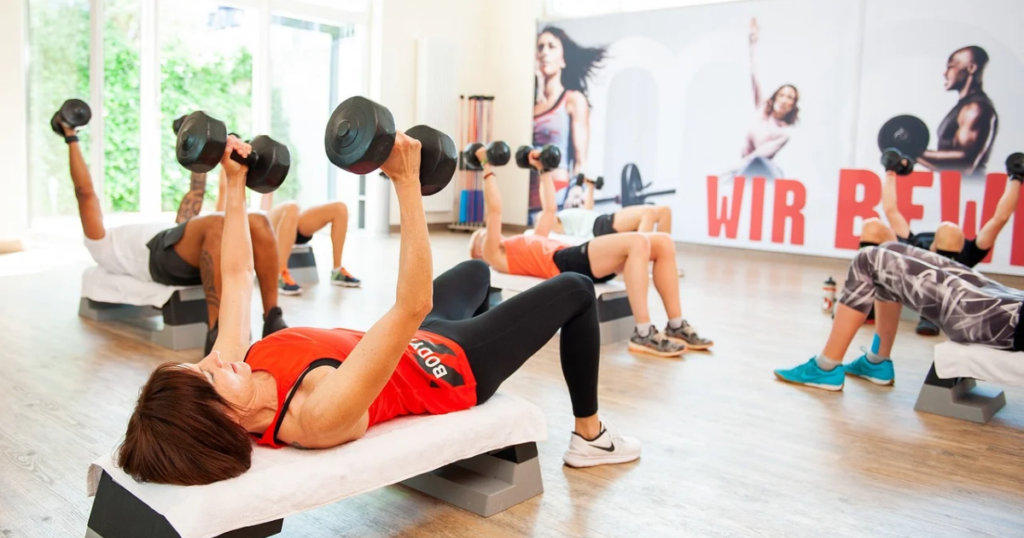
Starting a new class can feel intimidating, especially if you have never used weights before.
Look for classes that clearly state they are suitable for beginners or all fitness levels.
A beginner-friendly class should ideally provide:
- Exercise demonstrations
- Technique instructions
- Options for different fitness levels
- Appropriate resistance choices
- Opportunities to ask questions
- A controlled progression
You do not need to lift the same amount of weight as another participant.
The appropriate resistance depends on your current strength and ability to maintain proper form.
How to Choose the Right Weight Training Class
Not every class has the same goals or structure. Consider several factors before joining.
Check Your Fitness Goal
First, decide what you want from the class.
If your goal is general fitness, a full-body weight training class may be suitable. If you specifically want to improve strength, look for a class that emphasizes progressive resistance training.
If you want a combination of strength and cardio, a conditioning-style class may be a better fit.
Consider Your Experience Level
Read the class description carefully.
Some sessions are designed for beginners, while others may expect participants to already understand basic exercises.
Look at the Class Format
Classes can include:
- Full-body strength workouts
- Circuit training
- Kettlebell training
- Barbell training
- Functional strength
- Strength and conditioning
- Resistance-band workouts
Choose a format that matches your interests and comfort level.
Check Instructor Qualifications
The instructor plays an important role in a group training environment.
Look for qualified instructors who explain exercises clearly, demonstrate proper technique, and provide appropriate modifications when needed.
Consider Class Size
A smaller class may allow an instructor more opportunity to observe participants and provide individual feedback.
Larger classes can provide a more energetic group environment but may offer less individual attention.
What Is a Strength and Conditioning Class?
If you search for what is strength and conditioning class, you will generally find that it combines resistance training with exercises designed to improve broader physical abilities.
A strength and conditioning class may include:
- Strength exercises
- Power movements
- Cardiovascular conditioning
- Mobility work
- Core exercises
- Agility drills
- Functional movements
The exact format varies considerably between gyms and fitness centers.
Strength and conditioning is often broader than a traditional weight training class because it may target multiple aspects of physical performance.
Weight Training Class vs. Strength and Conditioning Class
These classes may overlap, but they are not always identical.
| Feature | Weight Training Class | Strength & Conditioning Class |
|---|---|---|
| Main focus | Resistance training | Strength + physical conditioning |
| Equipment | Weights, machines, bands | Weights, bodyweight, cardio equipment |
| Cardio component | May be limited | Often included |
| Intensity | Varies | Often moderate to high |
| Beginner options | Often available | Depends on class |
| Workout style | Strength-focused | More varied |
The best choice depends on your goals and experience.
What Equipment Is Used in Weight Training Classes?

A class may use different types of resistance equipment.
Dumbbells
Dumbbells are versatile and can be used for presses, rows, curls, lunges, squats, and many other movements.
Barbells
Barbells are commonly used for exercises such as squats, deadlifts, presses, and other compound movements.
Kettlebells
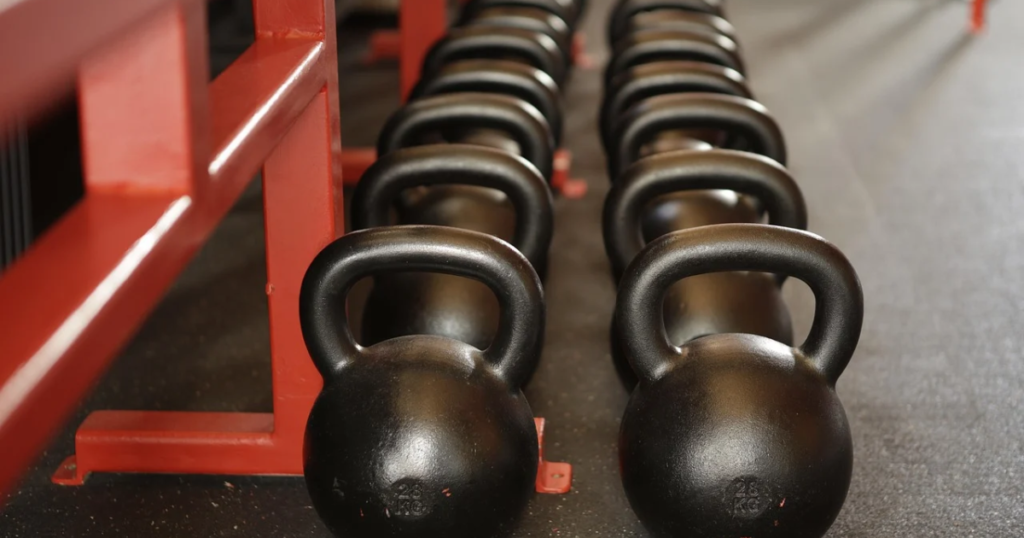
Kettlebells can be used for swings, squats, carries, presses, and other exercises.
Resistance Bands
Bands provide adjustable resistance and are useful for a wide range of exercises.
Weight Machines
Machines can provide guided resistance and may be included in some gym-based classes.
Bodyweight
Not every exercise requires equipment. Movements such as squats, lunges, push-ups, and planks can provide resistance through bodyweight.
How Often Should You Attend a Weight Training Class?
The ideal frequency depends on your fitness level, goals, recovery, and overall exercise routine.
Many people can incorporate strength-focused exercise into their weekly routine while allowing sufficient recovery between challenging sessions.
Instead of focusing only on the number of classes, consider your complete activity schedule.
For example, someone who participates in several intense workouts each week may need more recovery than someone performing lighter resistance sessions.
Consistency is generally more important than trying to do too much too quickly.
How to Prepare for a Weight Training Class
A little preparation can make your first class easier.
Wear Comfortable Clothing
Choose clothing that allows you to move freely.
Bring Water
Staying hydrated is important during exercise.
Arrive Early
If it is your first session, arriving early gives you time to introduce yourself to the instructor and learn about the equipment.
Start With Appropriate Weight
Do not choose weights simply because another participant is using them.
Start with resistance that allows you to perform the exercise with controlled technique.
Listen to Your Body
Exercise should challenge you, but sharp or unusual pain should not be ignored.
Common Mistakes to Avoid
Beginners sometimes make avoidable mistakes when starting resistance training.
Using Too Much Weight
Heavy resistance is not automatically better.
Using more weight than you can control may interfere with proper technique.
Ignoring Technique
Correct movement should be a priority.
Ask the instructor for clarification if you are unsure how to perform an exercise.
Comparing Yourself With Others
Everyone begins with a different fitness level.
Focus on your own progress rather than trying to match another person’s weights.
Skipping Recovery
Muscles need recovery after demanding workouts.
Adequate sleep, nutrition, hydration, and rest can all support your training routine.
Doing Too Much Too Soon
Gradually increasing training demands can be more sustainable than suddenly adding large amounts of resistance or workout volume.
How to Find Strength Group Classes Near Me
If you are searching for strength group classes near me, start by checking local gyms, fitness centers, community recreation facilities, and specialized training studios.
Compare:
- Class schedules
- Membership costs
- Instructor qualifications
- Class level
- Equipment
- Class size
- Trial options
- Location
- Reviews
- Cancellation policies
Search results may show local fitness facilities through maps and local listings. However, always check the facility’s current schedule directly because class times and availability can change.
Questions to Ask Before Joining
Before signing up, consider asking the gym or instructor:
- Is the class suitable for beginners?
- What equipment is required?
- How long is each session?
- How many people usually attend?
- Is a trial class available?
- Are exercise modifications provided?
- What qualifications does the instructor have?
- What type of strength training is included?
- What should I bring?
- Are there any specific fitness requirements?
These questions can help you understand whether the class matches your needs.
Potential Risks and Safety Considerations
Strength training is widely used as part of fitness programs, but improper technique, excessive resistance, inadequate recovery, or inappropriate exercise selection can increase the risk of injury.
To train more safely:
- Learn proper exercise technique.
- Begin with manageable resistance.
- Follow the instructor’s instructions.
- Progress gradually.
- Allow adequate recovery.
- Use equipment correctly.
- Stop if you experience concerning pain or symptoms.
- Seek professional medical guidance when appropriate.
If you have a medical condition, significant injury, or specific physical limitation, speak with an appropriate healthcare professional before starting a new exercise program.
Weight Training Class: Quick Comparison
| Class Type | Main Goal | Suitable For |
|---|---|---|
| Weight Training | Resistance and strength | Beginners to advanced |
| Strength Training | Muscular strength | Most fitness levels |
| Strength & Conditioning | Strength and overall conditioning | Intermediate/advanced or modified beginners |
| Circuit Training | Strength + cardio | People who enjoy varied workouts |
| Functional Training | Movement and stability | General fitness |
Frequently Asked Questions
1. What is a weight training class?
A weight training class is an instructor-led workout that uses resistance such as dumbbells, barbells, kettlebells, machines, or bands to train the muscles.
2. Is a weight training class good for beginners?
Yes. Beginners can participate in suitable classes, especially those designed for beginners or all fitness levels. Starting with manageable resistance and learning proper technique is important.
3. What is the difference between a weight training class and a strength training class?
Weight training specifically uses weights or similar equipment, while strength training is a broader category that can include weights, machines, resistance bands, and bodyweight exercises.
4. What is a strength and conditioning class?
A strength and conditioning class typically combines resistance training with exercises designed to improve conditioning, power, mobility, endurance, or overall physical performance.
5. How do I find strength group classes near me?
Search local gyms, fitness centers, recreation facilities, and training studios. Compare their class schedules, prices, instructor qualifications, fitness levels, equipment, and reviews before choosing a class.
Conclusion
A weight training class can provide a structured way to develop strength, improve muscular fitness, and add variety to a regular exercise routine. With instructor guidance and a group environment, these classes can be useful for people who prefer not to design every workout themselves.
When choosing between a weight training class and a strength training class, consider your goals, experience, preferred workout style, schedule, and available facilities. Beginners should look for classes that emphasize proper technique and provide exercise modifications.
Whether you are interested in traditional resistance training or a broader strength and conditioning program, consistency and appropriate progression are important. Start at a level that matches your abilities, learn the fundamentals, and gradually build your training routine over time.