
Introduction
“A stomach pooch can be influenced by several factors…” A stomach pooch is a common concern for many people who notice extra fullness or a rounded appearance around the lower abdomen. Sometimes the lower belly may appear slightly prominent even when a person is otherwise active and healthy. This can happen for several reasons, including body-fat distribution, bloating, posture, muscle tone, genetics, and natural changes in the body.
People often search for terms such as pouch lower stomach, lower abdomen fat pouch, women stomach pouch, and pouch on belly when trying to understand why their lower abdomen looks different from the rest of their body.
Having a lower-belly pouch does not automatically mean that something is wrong. Body shape varies significantly between individuals, and some amount of abdominal fat is normal. The most useful approach is to understand the possible causes and focus on sustainable habits rather than trying to eliminate one specific area of fat overnight.
This guide explains common reasons for a stomach pooch, lifestyle factors that may contribute to lower-abdominal fullness, exercises that can strengthen the core, and practical habits that can support overall body composition.
What Is a Stomach Pooch?
“A stomach pooch can be influenced by several factors…” A stomach pooch generally refers to a visible bulge or rounded area around the abdomen, particularly the lower stomach. It can range from a small amount of natural abdominal fullness to a more noticeable accumulation of body fat.
The appearance of the lower abdomen is influenced by several factors. Fat is stored differently from person to person, and genetics can affect where the body tends to store fat.
The abdomen can also look temporarily larger because of bloating, constipation, fluid retention, or the position of the body.
Therefore, a lower abdominal pouch is not always caused by excess body fat.
What Causes a Pouch on the Lower Stomach?

“A stomach pooch can be influenced by several factors…” . There is no single cause of a pouch on belly. Several factors can contribute to the appearance.
1. Overall Body Fat
One common reason for a fat pouch lower stomach is overall excess body fat. When the body stores more energy than it uses over time, fat can accumulate in different areas.
Some people naturally store a greater proportion of fat around the abdomen, while others may store more around the hips, thighs, or other areas.
Where fat is stored is influenced partly by genetics, age, hormones, and other individual factors.
2. Genetics and Body Shape
Genetics can have a significant influence on body shape and fat distribution.
Two people can follow similar diets and exercise routines but have different body shapes because their bodies naturally distribute fat differently.
If members of your family tend to carry more weight around the abdomen, you may have a similar natural pattern.
This means that comparing your stomach to someone else’s may not provide a realistic measure of health or fitness.
3. Bloating
Bloating can make the abdomen appear temporarily larger. Gas, constipation, certain foods, eating quickly, and other digestive factors can contribute to abdominal bloating.
Someone may therefore notice that their stomach looks relatively flat at one time of day and more rounded later.
This type of temporary abdominal expansion is different from a long-term increase in body fat.
If bloating is frequent, severe, persistent, or accompanied by concerning symptoms, discussing it with a healthcare professional is appropriate.
4. Posture
Posture can influence how the abdomen looks.
For example, excessive arching of the lower back can cause the pelvis and abdomen to move into a position that makes the stomach appear more prominent.
Improving posture and strengthening the muscles that support the trunk may help improve overall body alignment.
5. Reduced Muscle Tone
The abdominal area contains several muscle groups that contribute to trunk stability.
If a person has low overall muscle strength or spends a lot of time sitting, their abdominal area may appear less firm.
This does not necessarily mean that they have a large amount of body fat. Building overall muscle strength can improve physical function and may change the appearance of the body over time.
6. Age-Related Changes
Body composition can change as people get older.
Muscle mass may decrease when physical activity and strength training are insufficient, while body-fat distribution can also change.
These changes are normal parts of aging, although regular physical activity, resistance training, adequate nutrition, and sufficient sleep can support healthy body composition.
7. Pregnancy and Postpartum Changes
Pregnancy can cause significant changes to the abdominal area.
After pregnancy, some people may notice changes in abdominal muscle function, skin elasticity, posture, or fat distribution. Recovery varies considerably from person to person.
People who have recently given birth should follow appropriate postpartum guidance from a qualified healthcare professional, particularly before beginning demanding abdominal exercises.
Lower Abdomen Fat Pouch vs. Bloating
“A stomach pooch can be influenced by several factors…” . It is useful to distinguish between body fat and temporary abdominal bloating.
A lower abdomen fat pouch generally changes gradually over time and is influenced by overall body composition.
Bloating, on the other hand, can change over hours or days.
For example, the abdomen may feel fuller after a large meal or during periods of digestive discomfort. This does not necessarily represent an increase in body fat.
Keeping track of patterns such as meals, digestive symptoms, and changes throughout the day may help identify whether abdominal fullness is more consistent with bloating or longer-term body composition.
Table of Contents
Can You Lose Lower Belly Fat Specifically?
“A stomach pooch can be influenced by several factors…”. One of the most important things to understand about a lower abdomen pouch is that targeted fat loss is not generally possible through exercises alone.
Doing hundreds of crunches does not tell the body to remove fat specifically from the lower abdomen.
Instead, changes in body fat usually occur through overall energy balance, physical activity, nutrition, sleep, and other lifestyle factors.
Core exercises can strengthen the abdominal muscles, but reducing overall body fat requires a broader approach.
Exercises That Can Strengthen the Core
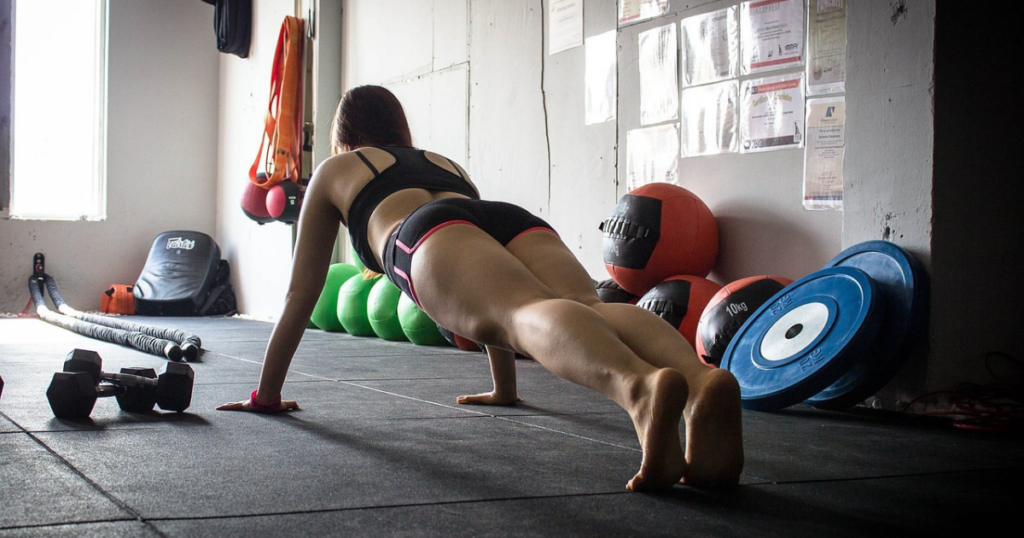
Although exercises cannot selectively remove lower-belly fat, strengthening the core can improve muscular endurance, stability, and physical function.
1. Plank
The plank is a simple exercise that challenges several muscles involved in trunk stability.
To perform it:
- Start on your forearms and toes.
- Keep your body in a comfortable straight line.
- Engage your abdominal muscles.
- Avoid holding your breath.
- Hold the position for a manageable amount of time.
Beginners can start with shorter holds and gradually increase duration.
2. Dead Bug
The dead bug is a controlled core exercise that involves moving the arms and legs while maintaining trunk stability.
Lie on your back with your knees bent and arms raised. Slowly lower one arm and the opposite leg while keeping your lower back comfortably positioned.
Return to the starting position and alternate sides.
3. Bird Dog
The bird dog involves the core, shoulders, hips, and back.
Start on your hands and knees. Extend one arm and the opposite leg while keeping your torso stable. Return to the starting position and switch sides.
Perform the movement slowly rather than focusing on speed.
4. Glute Bridges
Glute bridges primarily work the muscles around the hips and buttocks while also involving the trunk.
Lie on your back with your knees bent and feet flat on the floor. Lift your hips gradually, pause briefly, and lower them with control.
5. Walking
Walking is an accessible form of physical activity that can help increase daily energy expenditure.
A regular walking routine can be easier to maintain than an extremely demanding workout program.
Try incorporating walks after meals, during breaks, or as part of your daily commute when practical.
Nutrition Habits That Support Healthy Body Composition

Reducing abdominal fat is not about finding one magic food or supplement. Sustainable eating habits are more useful.
Focus on Protein-Rich Foods
Protein is an important nutrient for maintaining muscle.
Common sources include eggs, fish, poultry, beans, lentils, yogurt, milk, tofu, and other protein-rich foods.
Eat More Fiber-Rich Foods
Vegetables, fruits, whole grains, legumes, nuts, and seeds can contribute fiber to the diet.
Fiber also supports normal digestive function.
Choose Mostly Whole Foods
A balanced eating pattern can include vegetables, fruits, whole grains, lean protein sources, healthy fats, and other nutrient-dense foods.
Highly processed foods can still fit into an overall balanced diet, but making nutritious foods the foundation of meals can make it easier to meet nutritional needs.
Watch Liquid Calories
Sugary beverages and other calorie-containing drinks can contribute substantial calories without providing the same fullness as many solid foods.
Water is generally a simple choice for staying hydrated.
The Role of Sleep and Stress
Exercise and nutrition are not the only factors that matter.
Sleep supports many aspects of physical health and recovery. Consistently poor sleep can also make healthy routines more difficult to maintain.
Stress can affect eating habits, activity levels, and daily routines. Developing manageable strategies such as regular physical activity, relaxation techniques, social connection, and a consistent sleep schedule may support overall well-being.
Simple Daily Routine for a Lower-Belly Fitness Goal
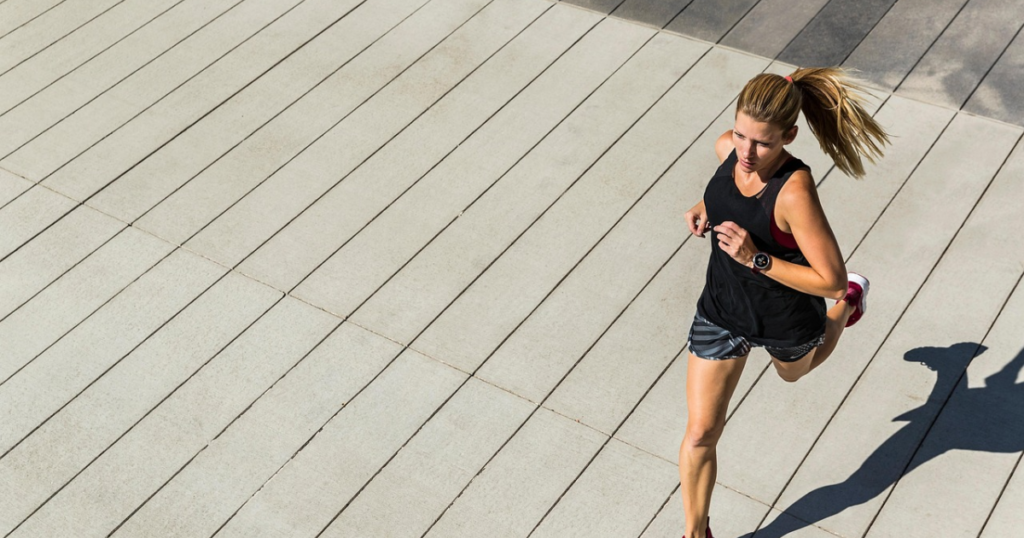
A balanced routine does not need to be complicated.
You could structure a week around:
- Regular walking
- Two or more strength-training sessions
- Core exercises several times per week
- Mobility or stretching
- Adequate sleep
- Balanced meals
- Sufficient hydration
The exact routine should depend on your current fitness level and personal circumstances.
A beginner can start with short walks and basic strength exercises before gradually increasing duration or intensity.
Common Mistakes to Avoid
Doing Only Abdominal Exercises
Core exercises are useful, but they should not be the entire fitness routine.
Include movements that work the legs, upper body, and cardiovascular system as well.
Following Extreme Diets
Very restrictive diets may be difficult to maintain and can make it harder to meet nutritional needs.
A sustainable eating pattern is generally more practical for long-term goals.
Expecting Fast Results
Changes in body composition usually take time.
Your body weight and appearance can also fluctuate because of hydration, food intake, digestion, and other factors.
Comparing Your Body to Social Media Images
Photos can be affected by lighting, posture, clothing, camera angles, and editing.
A person’s appearance in a photograph does not provide enough information to judge their health or body composition.
When Should You Talk to a Healthcare Professional?
A stomach or abdominal bulge is often related to normal body composition or temporary digestive changes, but not every abdominal change should be assumed to be ordinary.
Seek professional medical advice if abdominal swelling is new, persistent, painful, rapidly changing, or accompanied by symptoms such as vomiting, unexplained weight loss, blood in stool, fever, severe constipation, or other concerning changes.
People with medical conditions, recent surgery, pregnancy-related concerns, or significant pain should also seek individualized advice before beginning a new exercise program.
Frequently Asked Questions
1. Why do I have a pouch on my lower stomach?
A lower stomach pouch can be influenced by overall body fat, genetics, posture, muscle tone, bloating, age-related changes, and other factors. The exact reason varies between individuals.
2. Can exercise get rid of a stomach pooch?
Exercise can help improve overall fitness and may contribute to changes in body composition. However, exercises cannot reliably target fat loss from one specific area. A combination of physical activity, nutrition, recovery, and consistency is more appropriate for overall body-composition goals.
3. What is the best exercise for a lower abdomen fat pouch?
There is no single exercise that specifically removes lower abdominal fat. Exercises such as planks, dead bugs, bird dogs, walking, and full-body strength training can support overall fitness and core strength.
4. Why does my lower stomach look bigger at night?
The abdomen can appear larger later in the day because of food and fluid intake, digestion, gas, constipation, and temporary bloating. A change during the same day does not necessarily indicate an increase in body fat.
5. Can women naturally have a stomach pouch?
Yes. Body shape and fat distribution vary among women and can be influenced by genetics, age, pregnancy history, hormones, and overall body composition. A small amount of lower-abdominal fullness can be completely normal.
Conclusion
A stomach pooch can have many different explanations, and it is not always a sign of poor health or excessive body fat. Genetics, body composition, posture, muscle tone, bloating, age, and pregnancy-related changes can all influence the appearance of the lower abdomen.
Rather than focusing only on the appearance of one area, a more sustainable approach is to support overall health through regular physical activity, strength training, balanced nutrition, adequate sleep, hydration, and recovery.
If your goal is to change body composition, remember that gradual progress is more realistic than quick fixes. Core exercises can strengthen the abdominal muscles, while full-body activity and healthy eating habits support broader fitness goals.
Most importantly, body shapes naturally differ from person to person. Focus on habits that support your health and physical function rather than expecting your abdomen to look exactly like someone else’s.