Introduction
Staying physically active does not always require a gym membership, expensive equipment, or long workout sessions. Adding a few simple movements to your daily routine can help support strength, flexibility, balance, mobility, and overall well-being. For people with busy schedules, choosing practical exercises that can be performed at home can make it easier to stay consistent.
If you are looking for 7 exercises to do everyday, the goal should not be to exercise as hard as possible every day. Instead, focus on simple movements that work different parts of the body and can be adjusted according to your fitness level.
A balanced daily routine can include exercises for the legs, upper body, core, cardiovascular fitness, and flexibility. The seven exercises below are easy to understand and can be performed with little or no equipment.
What Are the Benefits of Daily Exercise?
Regular physical activity can provide several benefits when it becomes part of a balanced lifestyle. Exercise can help maintain muscle strength, support cardiovascular health, improve mobility, and contribute to better physical function.
Daily movement may also help reduce the amount of time spent sitting. Even short activity sessions throughout the day can be useful for people who spend many hours working at a desk or studying.
However, exercising every day does not mean performing a demanding workout every day. Recovery is also an important part of fitness. You can alternate between more active exercises, light movement, stretching, and rest depending on your goals and fitness level.
7 Exercises to Do Everyday
The following exercises can form a simple full-body routine. Beginners should start with a comfortable number of repetitions and gradually increase the amount as their fitness improves.
Table of Contents
1. Bodyweight Squats

Bodyweight squats are one of the simplest exercises for strengthening the lower body. They primarily involve the thighs and hips while also requiring the core to help stabilize the body.
How to perform a squat:
- Stand with your feet approximately shoulder-width apart.
- Keep your chest lifted and your back in a comfortable neutral position.
- Bend your knees and push your hips backward as if sitting into a chair.
- Lower yourself only as far as comfortable.
- Push through your feet to return to the standing position.
Beginners can start with 8–12 repetitions and focus on controlled movement rather than speed.
2. Push-Ups
Push-ups are a bodyweight exercise that works the chest, shoulders, arms, and core. They can be performed without equipment, making them convenient for home workouts.
How to perform a push-up:
- Start in a plank position with your hands slightly wider than your shoulders.
- Keep your body aligned from your head toward your heels.
- Bend your elbows and lower your chest toward the floor.
- Push through your hands to return to the starting position.
If a traditional push-up is too difficult, perform the movement with your knees on the floor or use an elevated surface such as a sturdy countertop.
Start with 5–10 repetitions and gradually build up as your strength improves.
3. Glute Bridges
Glute bridges are useful for working the muscles around the hips and buttocks while also involving the core. They can be performed on a comfortable floor or exercise mat.
How to perform a glute bridge:
- Lie on your back with your knees bent.
- Place your feet flat on the floor.
- Keep your arms comfortably beside your body.
- Lift your hips toward the ceiling while keeping your feet grounded.
- Pause briefly at the top.
- Slowly lower your hips back toward the floor.
Try 10–15 repetitions while maintaining controlled movement.
4. Plank
The plank is a simple exercise that challenges the core muscles. A strong core can support everyday movements and help with body stability.
How to perform a plank:
- Begin on your hands and knees.
- Extend your legs behind you and support your body on your hands or forearms.
- Keep your body in a straight, comfortable line.
- Engage your abdominal muscles without holding your breath.
- Hold the position for a manageable amount of time.
Beginners can start with 15–30 seconds. As endurance improves, the holding time can gradually increase.
The goal is to maintain good form rather than holding the plank for as long as possible.
5. Walking or Brisk Walking

Walking is one of the most accessible ways to add physical activity to your day. It requires little equipment and can be performed indoors or outdoors.
A brisk walk can increase your heart rate and provide an easy way to incorporate more movement into your routine. You can walk around your neighborhood, at a park, on a treadmill, or even take short walking breaks during the workday.
If you are new to exercise, begin with a comfortable pace and gradually increase your walking time. You can also divide your activity into shorter sessions throughout the day.
6. Bird Dog
The bird dog is a balance and stability exercise that involves the core, back, hips, and shoulders. It can be useful for practicing controlled movement and coordination.
How to perform a bird dog:
- Start on your hands and knees.
- Place your hands underneath your shoulders and knees underneath your hips.
- Slowly extend one arm forward while extending the opposite leg backward.
- Keep your torso stable.
- Return to the starting position.
- Repeat on the opposite side.
Try 6–10 repetitions on each side while focusing on balance and control.
Avoid rushing through the movement. Keeping the torso stable is more important than extending your arm or leg as far as possible.
7. Gentle Stretching
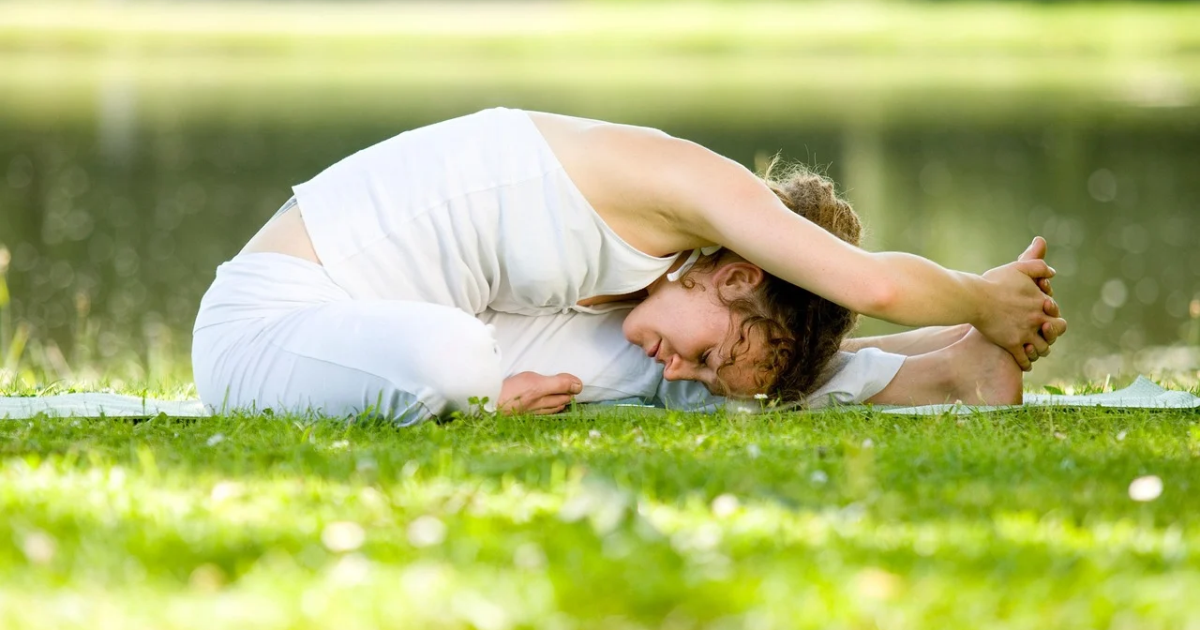
Stretching can be a useful way to finish a daily movement routine. Gentle stretches can help you move through comfortable ranges of motion and provide a relaxing transition after exercise.
You can focus on major areas such as the shoulders, chest, hips, thighs, calves, and back.
Examples include:
- Standing calf stretch
- Gentle hamstring stretch
- Shoulder stretch
- Chest stretch
- Hip-flexor stretch
Hold each comfortable stretch for around 15–30 seconds and avoid bouncing. Stretching should feel gentle rather than painful.
Simple Daily Exercise Routine

You do not necessarily need to perform all seven exercises as one long workout. You can organize them into a short routine based on your schedule.
| Exercise | Beginner Starting Point | Main Focus |
|---|---|---|
| Bodyweight Squats | 8–12 reps | Legs and hips |
| Push-Ups | 5–10 reps | Upper body |
| Glute Bridges | 10–15 reps | Hips and glutes |
| Plank | 15–30 seconds | Core |
| Walking | 10–30 minutes | Cardiovascular movement |
| Bird Dog | 6–10 each side | Balance and stability |
| Gentle Stretching | 5–10 minutes | Flexibility and mobility |
The numbers above are general starting points rather than requirements. Your appropriate amount of exercise depends on your current fitness level, goals, age, and individual circumstances.
How to Make These Exercises Part of Your Daily Routine
Consistency is often easier when exercise becomes connected to habits you already have. Instead of waiting for a large block of free time, consider adding short movement sessions throughout the day.
For example, you could perform squats and push-ups in the morning, take a walk during a lunch break, and complete stretching in the evening.
Here are some practical strategies:
Set a Realistic Goal
Start with an amount of activity you can realistically maintain. A short routine performed consistently may be easier to sustain than an intense routine that leaves you exhausted.
Focus on Proper Form
Good technique is more important than performing a large number of repetitions. Slow down when necessary and choose easier variations if an exercise feels too difficult.
Progress Gradually
Once an exercise becomes comfortable, you can gradually increase repetitions, duration, or difficulty. Avoid making large increases suddenly.
Take Recovery Seriously
Your body needs recovery, particularly after challenging workouts. If you feel unusually tired or sore, consider reducing the intensity or taking a recovery day.
Add More Everyday Movement
Exercise is only one part of an active lifestyle. Walking more, taking movement breaks, using stairs when appropriate, and reducing prolonged sitting can also help increase daily activity.
Can You Do These 7 Exercises Every Day?
You can include daily movement in your routine, but you do not necessarily need to perform every exercise at the same intensity every day.
For example, walking and gentle mobility work may be suitable for frequent practice, while strength exercises can be adjusted based on your fitness level and recovery needs.
If you experience persistent pain, dizziness, unusual shortness of breath, or another concerning symptom during exercise, stop and seek appropriate medical advice. People with existing medical conditions, injuries, or specific exercise restrictions should consider discussing an exercise plan with a qualified healthcare professional.
Tips for Beginners
If you are starting a new exercise routine, keep your first sessions simple.
- Warm up with a few minutes of light movement.
- Begin with fewer repetitions if needed.
- Focus on controlled movements.
- Keep breathing normally during exercise.
- Drink enough fluids throughout the day.
- Wear comfortable clothing and supportive footwear when appropriate.
- Give your body enough time to recover.
- Increase exercise gradually instead of trying to do too much immediately.
Remember that fitness is a gradual process. You do not have to complete a perfect workout every day to make physical activity part of your lifestyle.
Frequently Asked Questions
1. What are the best 7 exercises to do everyday?
A simple routine can include bodyweight squats, push-ups, glute bridges, planks, walking, bird dogs, and gentle stretching. These movements cover several areas of fitness, including strength, stability, mobility, and cardiovascular activity.
2. How long should I exercise each day?
The appropriate amount varies from person to person. Beginners can start with short sessions and gradually increase their activity. Even brief movement breaks can be useful when combined with an active lifestyle.
3. Can I do these exercises at home?
Yes. Most of these exercises require little or no equipment and can be performed at home. Make sure you have enough clear space to move safely.
4. Should beginners exercise every day?
Beginners can include regular movement in their routine, but recovery is important. You can alternate between strength exercises, walking, mobility work, and easier activity rather than performing a hard workout every day.
5. Can daily exercise help improve overall fitness?
Regular physical activity can contribute to improvements in strength, endurance, mobility, and physical function. Progress generally comes from consistent activity combined with appropriate recovery, nutrition, and sleep.
Conclusion
Adding simple exercises to your daily routine can be an effective way to increase physical activity without requiring complicated equipment or a gym membership. The 7 exercises to do everyday in this guide—bodyweight squats, push-ups, glute bridges, planks, walking, bird dogs, and gentle stretching—can provide a practical foundation for a balanced movement routine.
The key is to start at a level that feels manageable and progress gradually. You can also modify exercises according to your fitness level and make recovery part of your plan.
Rather than focusing on doing the hardest workout possible, aim to build a routine that you can maintain consistently. Small amounts of movement throughout the day can become meaningful when they are part of a long-term active lifestyle.