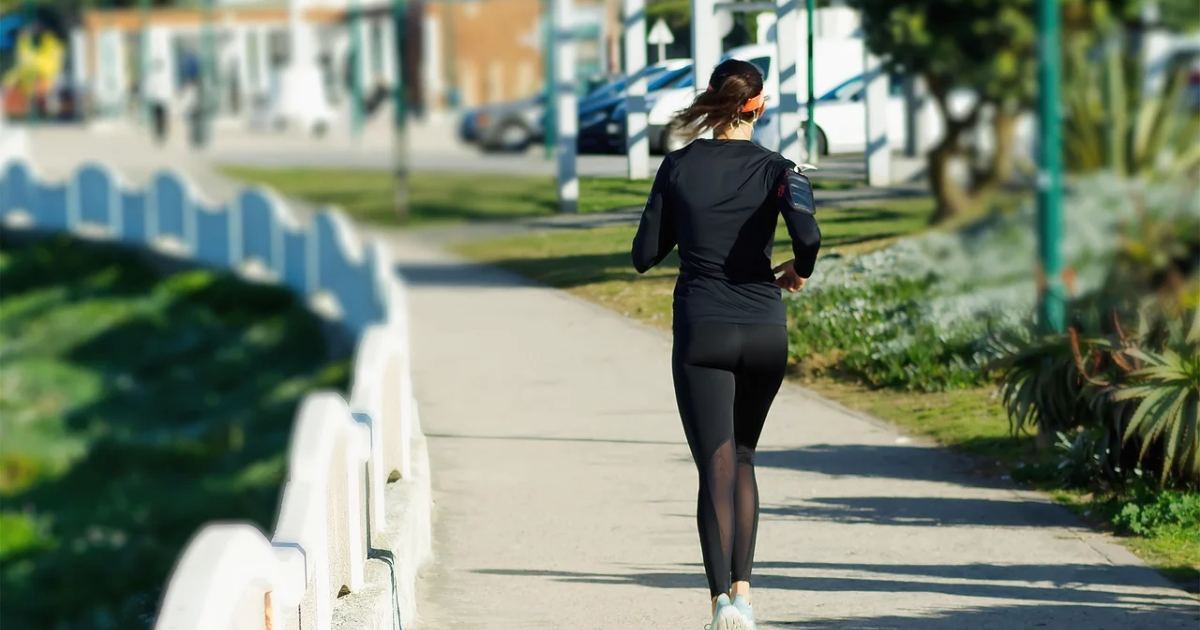
Introduction
Living an active lifestyle is one of the simplest ways to support better physical health, mental well-being, and overall quality of life. In today’s technology-driven world, many people spend long hours sitting at desks, commuting by car, using electronic devices, or relaxing in front of screens. Over time, too much sitting and too little movement can make it harder to maintain healthy habits.
The good news is that living an active lifestyle does not mean spending hours at the gym or becoming a professional athlete. Regular movement can be built into almost any schedule. Walking, cycling, swimming, stretching, playing sports, gardening, taking the stairs, and doing household activities can all contribute to a more active daily routine.
This guide explains what an active lifestyle means, its major health benefits, practical ways to become more active, and simple strategies for overcoming common barriers.
Table of Contents
What Is an Active Lifestyle?
An active lifestyle means making regular physical movement a natural part of everyday life. It includes structured exercise as well as simple activities performed throughout the day.
For example, an active lifestyle may include:
- Walking instead of driving short distances
- Taking the stairs instead of an elevator
- Going for a daily walk
- Cycling to nearby destinations
- Participating in sports
- Gardening or doing household chores
- Stretching during work breaks
- Performing strength exercises at home
- Taking part in recreational activities with friends or family
Adults are generally encouraged to get at least 150 minutes of moderate-intensity physical activity each week, together with muscle-strengthening activities on at least two days. However, becoming active does not require making dramatic changes overnight. Small and consistent improvements can make daily movement easier to maintain.
9 Benefits of an Active Lifestyle
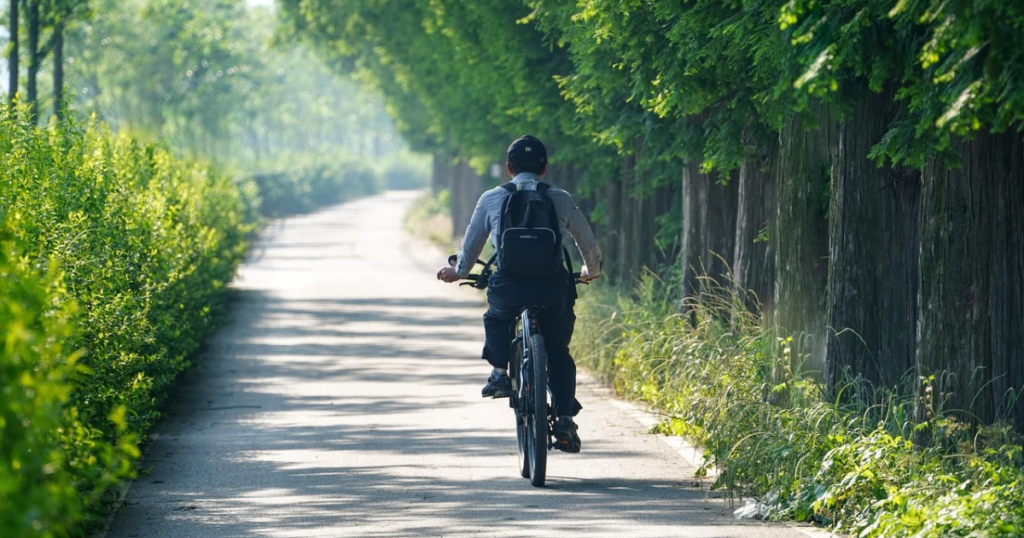
1. Supports Heart Health
Regular physical activity helps keep the cardiovascular system working efficiently. Walking, cycling, swimming, jogging, and other aerobic activities can strengthen the heart and support healthy circulation.
Maintaining an active lifestyle may also help support healthy blood pressure and reduce the risk of cardiovascular problems when combined with other healthy habits.
2. Helps With Healthy Weight Management
Physical activity uses energy and can contribute to maintaining a healthy body weight. When regular movement is combined with balanced nutrition, it can support long-term weight-management goals.
An active lifestyle is particularly useful because it focuses on sustainable habits rather than temporary exercise programs or restrictive approaches.
3. Builds Stronger Muscles and Bones
Strength training and weight-bearing activities can help maintain muscle strength and bone health.
Activities such as walking, dancing, resistance exercises, climbing stairs, and strength training can be included in a balanced fitness routine. Maintaining strength is also important for mobility and everyday independence as people get older.
4. Supports Better Sleep
Regular physical activity may help people establish healthier sleep patterns. People who move regularly often find it easier to relax and maintain a consistent sleep routine.
However, intense exercise immediately before bedtime may not be comfortable for everyone. Choosing an appropriate exercise time and allowing enough recovery can help support better sleep.
5. Improves Mood and Reduces Stress
An active lifestyle can benefit emotional well-being as well as physical health. Physical activity can provide a healthy way to manage everyday stress and may improve mood.
Even a short walk, light stretching session, or recreational activity can provide a break from work and screen time.
6. Supports Brain Health and Cognitive Function
Regular physical activity increases blood flow throughout the body, including the brain. Staying active is associated with benefits for memory, attention, and cognitive health.
Activities that combine physical movement with coordination, such as dancing, sports, or certain recreational exercises, can also provide mental stimulation.
7. Increases Strength and Everyday Energy
Regular movement can make everyday physical tasks easier. As muscles become stronger and cardiovascular fitness improves, activities such as climbing stairs, carrying groceries, walking, and playing with children may feel more manageable.
Over time, consistent activity can help people feel more capable and confident in their daily routines.
8. Encourages Social Connection
Many physical activities provide opportunities to spend time with other people. Walking with a friend, joining a sports team, attending a group exercise class, or participating in community activities can make exercise more enjoyable.
Social interaction can also provide accountability, making it easier to maintain an active lifestyle over time.
9. Supports Long-Term Healthy Aging
Maintaining physical activity throughout life can help support mobility, strength, balance, and independence as people age.
Building healthy movement habits earlier can make it easier to remain physically capable and participate in everyday activities later in life.
How to Build an Active Lifestyle

Start With Small Changes
You do not need to completely change your routine on the first day. Start with realistic activities that fit your current fitness level.
For example, you could begin with a 10-minute walk after dinner or take short movement breaks during the workday. Once these activities become routine, gradually increase the duration or intensity.
Choose Activities You Enjoy
The best activity is often one that you actually enjoy doing. If traditional workouts feel boring, try alternatives such as:
- Walking
- Cycling
- Swimming
- Dancing
- Hiking
- Yoga
- Sports
- Gardening
- Home workouts
Enjoyable activities are easier to repeat consistently.
Add More Movement to Your Daily Routine
You can become more active without scheduling a long workout every day.
Try these simple strategies:
- Park farther away from your destination
- Take the stairs when practical
- Walk during phone calls
- Stretch during work breaks
- Walk after meals
- Do household chores actively
- Spend less time sitting continuously
- Take short walking breaks during the day
These small changes can add more movement to your daily routine.
Set Specific Goals
Instead of saying, “I want to become more active,” create a specific goal.
For example:
“I will walk for 30 minutes, five days a week.”
Specific goals make it easier to measure progress and develop consistent habits.
Schedule Exercise
Busy schedules can make exercise easy to postpone. Treat physical activity like an appointment by adding it to your daily or weekly schedule.
Choose a realistic time when you are most likely to follow through. Consistency is generally more important than choosing the perfect workout time.
Use Technology for Motivation
Fitness trackers and smartphone apps can help you monitor steps, workouts, active minutes, or other activity goals.
Technology should be used as a helpful tool rather than a source of pressure. Your activity goals should remain realistic and appropriate for your individual circumstances.
Exercise With Friends or Family
Being active with other people can make movement more enjoyable. Consider taking family walks, joining a recreational sports group, hiking with friends, or participating in community fitness activities.
Having a workout partner can also provide encouragement and accountability.
How to Overcome Common Barriers to an Active Lifestyle
Lack of Time
A busy schedule does not necessarily prevent you from becoming more active. Break physical activity into smaller periods throughout the day.
For example, three 10-minute walks can be easier to fit into a busy schedule than one long workout.
Lack of Motivation
Motivation naturally changes from day to day. Instead of depending entirely on motivation, create routines that make physical activity automatic.
For example, you could take a walk after breakfast or stretch immediately after finishing work.
Physical Limitations
People with injuries, health conditions, or physical limitations may need to modify their activities. Low-impact options such as walking, gentle stretching, water-based exercise, or chair exercises may be appropriate for some people.
If you have a medical condition or concerns about starting exercise, speak with a qualified healthcare professional about appropriate activities.
Financial Limitations
An active lifestyle does not require an expensive gym membership. Walking, running, cycling, home exercises, stretching, and many recreational activities can be performed with little or no equipment.
Active Lifestyle for Different Age Groups
For Children and Teenagers
Young people can stay active through sports, outdoor games, cycling, swimming, dancing, and other recreational activities. Making movement enjoyable can help children develop positive habits that continue into adulthood.
For Adults
Adults can combine structured exercise with everyday movement. Walking during breaks, cycling, strength training, recreational sports, and active hobbies can all contribute to a balanced routine.
For Older Adults
Older adults can benefit from activities that support strength, balance, flexibility, and mobility. Walking, appropriate resistance exercises, stretching, and balance activities may help support independence.
Activity choices should be appropriate for individual abilities and health circumstances.
Tips for Maintaining an Active Lifestyle Long-Term

Creating an active lifestyle is not about being perfect. The goal is to develop habits that can realistically continue for months and years.
Keep these principles in mind:
- Start slowly.
- Choose activities you enjoy.
- Set realistic goals.
- Track your progress if it motivates you.
- Include different types of movement.
- Give your body enough recovery time.
- Stay consistent rather than chasing perfection.
- Adjust your routine when your schedule changes.
A sustainable routine is more useful than an extremely demanding workout plan that you cannot maintain.
Frequently Asked Questions
1. What is an active lifestyle?
An active lifestyle means regularly including physical movement in your daily routine. It can include walking, cycling, sports, strength training, stretching, recreational activities, and everyday movement such as gardening or household chores.
2. How much physical activity do I need for an active lifestyle?
Adults are generally encouraged to get at least 150 minutes of moderate-intensity physical activity each week, along with muscle-strengthening activities on two or more days. Activity can be divided into smaller sessions throughout the week.
3. What are the main benefits of an active lifestyle?
An active lifestyle can support heart health, healthy weight management, stronger muscles and bones, better sleep, improved mood, stress management, cognitive health, mobility, and overall well-being.
4. How can I start living a more active lifestyle?
Start with small changes such as walking regularly, taking the stairs, stretching during breaks, cycling, or participating in an activity you enjoy. Gradually increase your activity as your routine becomes more comfortable.
5. Can I have an active lifestyle without going to the gym?
Yes. You do not need a gym membership to stay active. Walking, cycling, hiking, dancing, gardening, home workouts, sports, and bodyweight exercises can all contribute to an active lifestyle.
Conclusion
An active lifestyle is not about exercising perfectly or spending hours in a gym. It is about making regular movement a consistent part of everyday life.
Simple habits such as walking more, taking movement breaks, choosing enjoyable activities, setting realistic goals, and exercising with friends or family can make it easier to stay active. Over time, these small choices can support physical fitness, mental well-being, mobility, and overall quality of life.
The most important step is simply to begin. Choose one realistic activity today and make it part of your routine. With consistency and patience, an active lifestyle can become a natural and sustainable part of your everyday life.